Malta is a small island nation in the heart of the Mediterranean, where thousands of years of history meet crystal-clear seas, fortified cities and a unique blend of European and Middle Eastern influences.
PL:
Malta to niewielkie państwo położone w sercu Morza Śródziemnego, gdzie tysiące lat historii spotykają się z krystalicznie czystym morzem, ufortyfikowanymi miastami i wyjątkową mieszanką wpływów europejskich oraz bliskowschodnich.
Malta to niewielkie państwo położone w sercu Morza Śródziemnego, gdzie tysiące lat historii spotykają się z krystalicznie czystym morzem, ufortyfikowanymi miastami i wyjątkową mieszanką wpływów europejskich oraz bliskowschodnich.
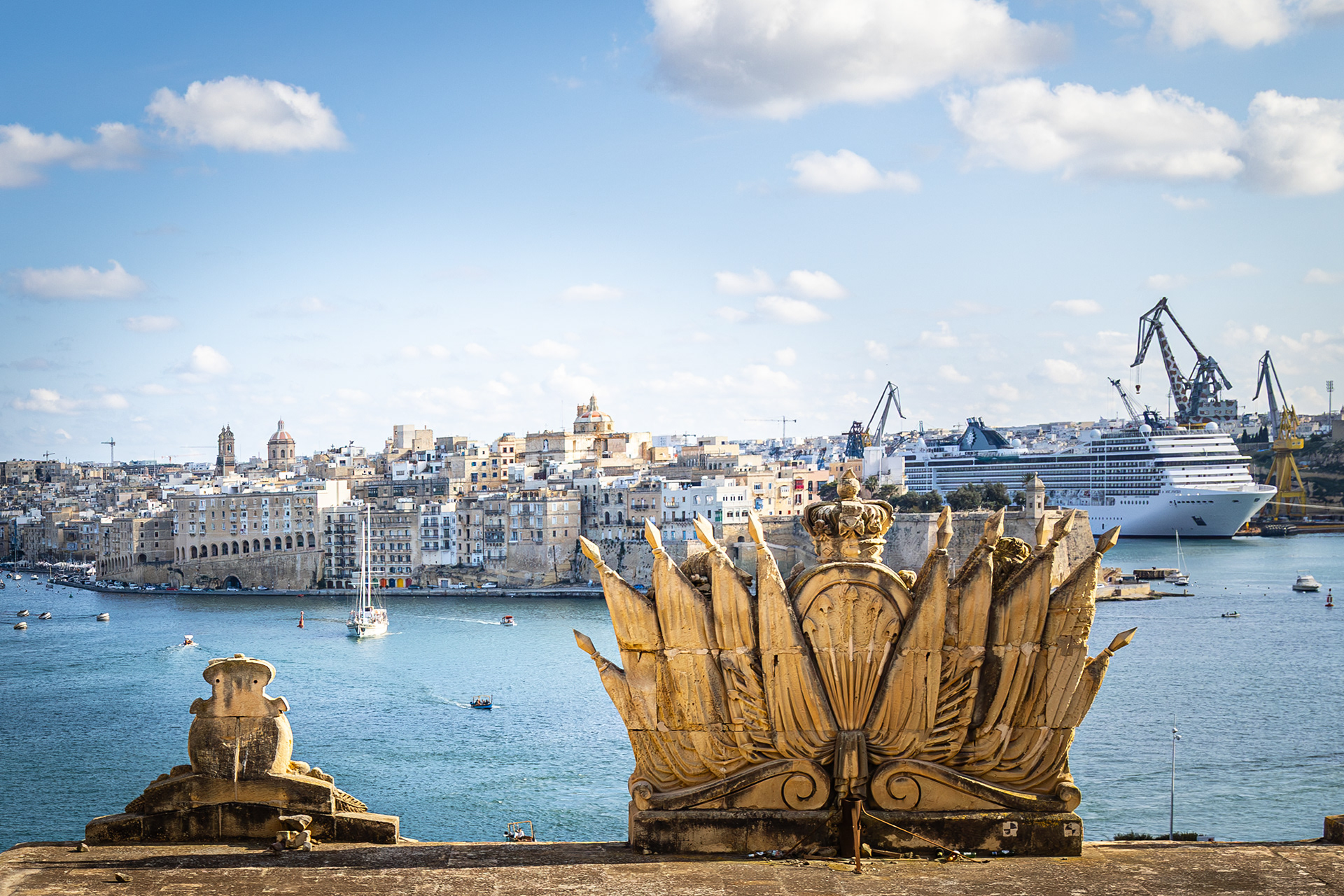
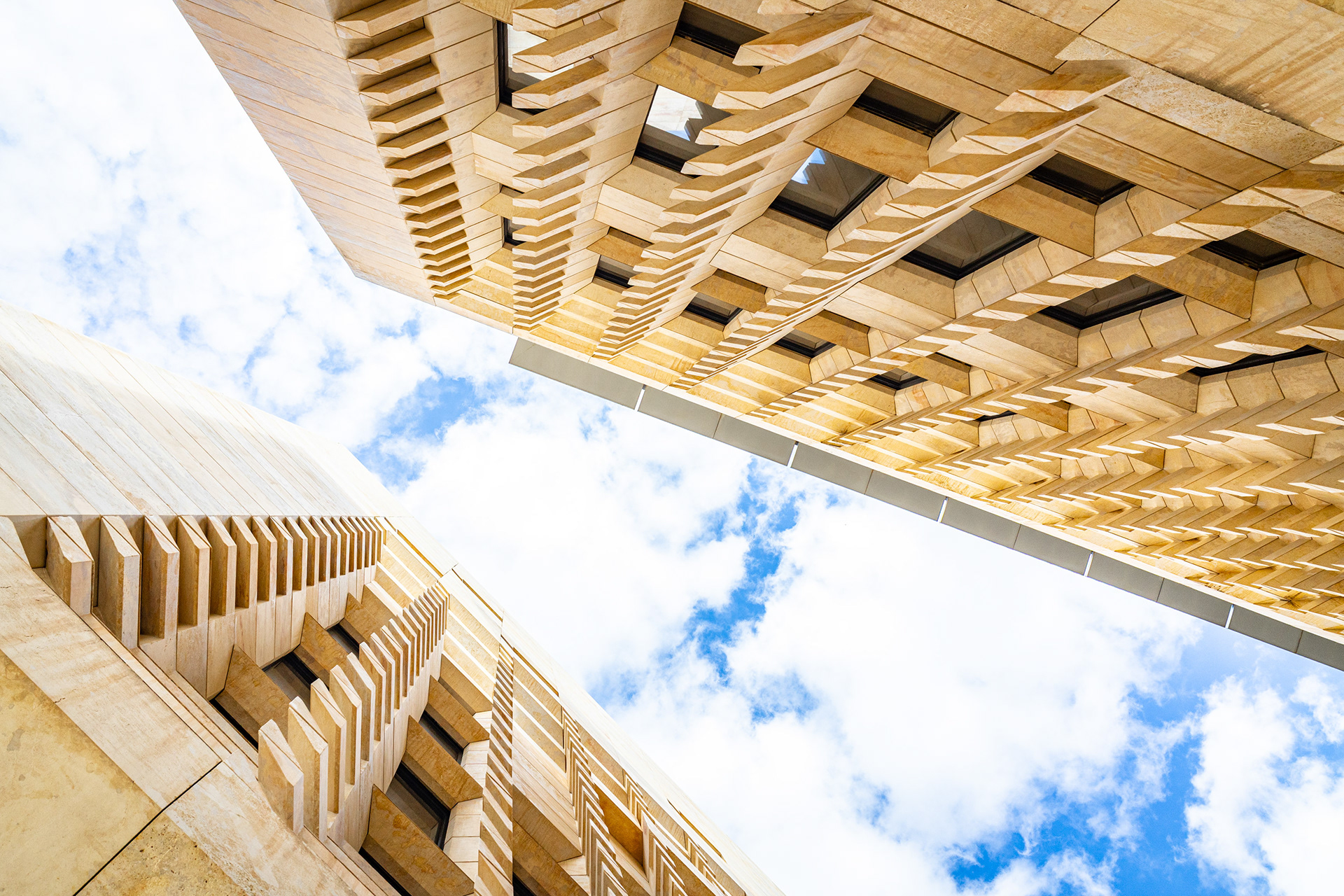
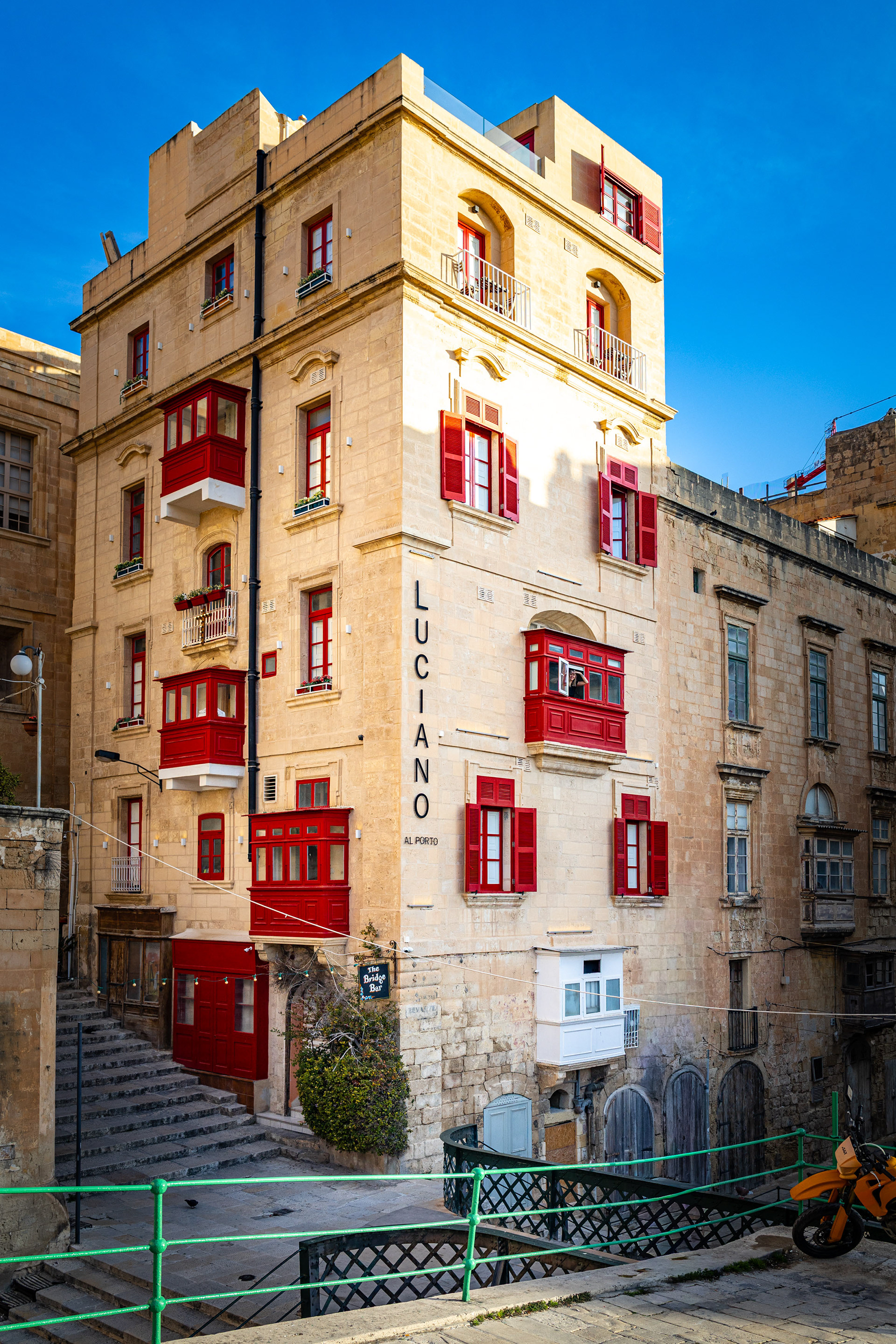
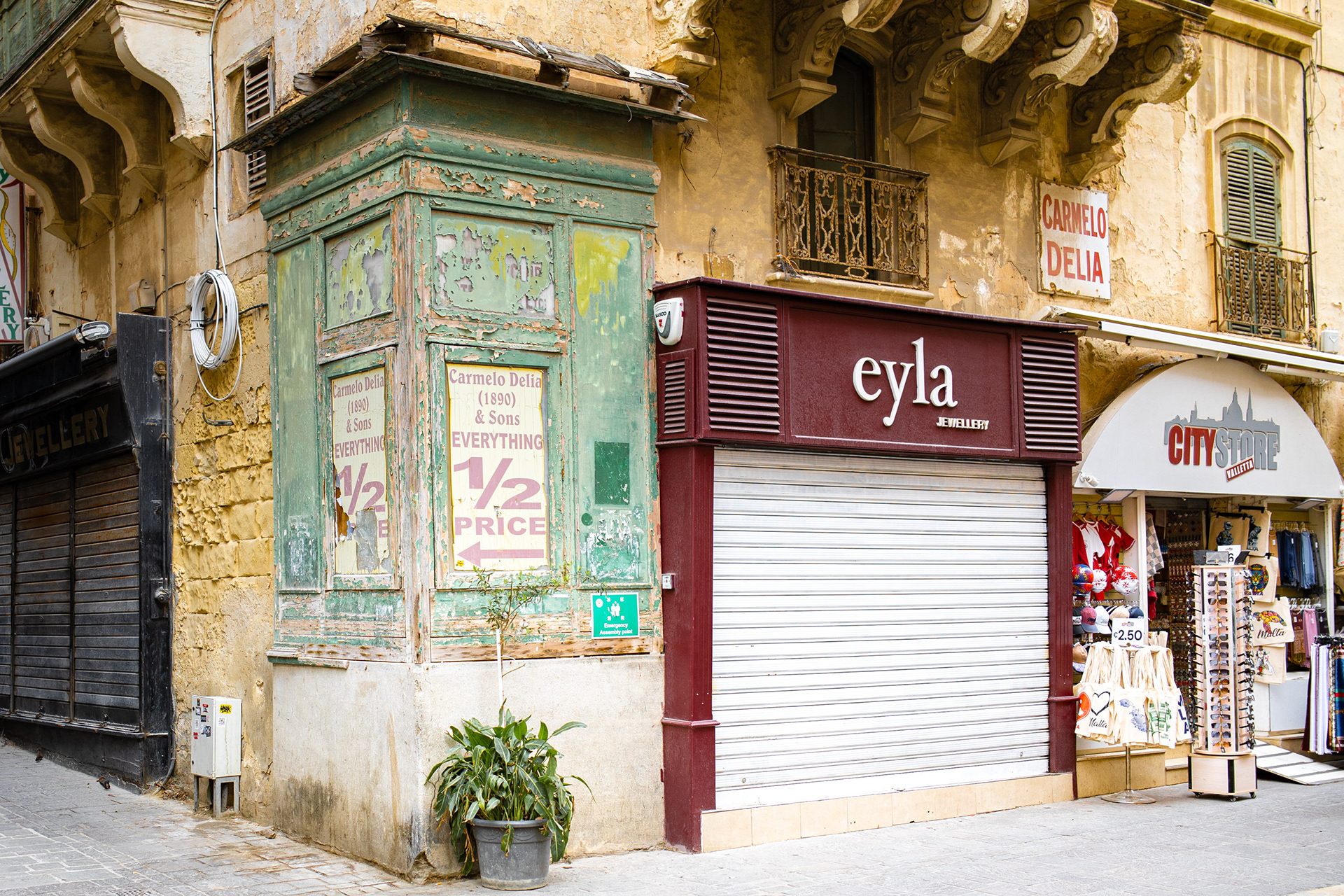
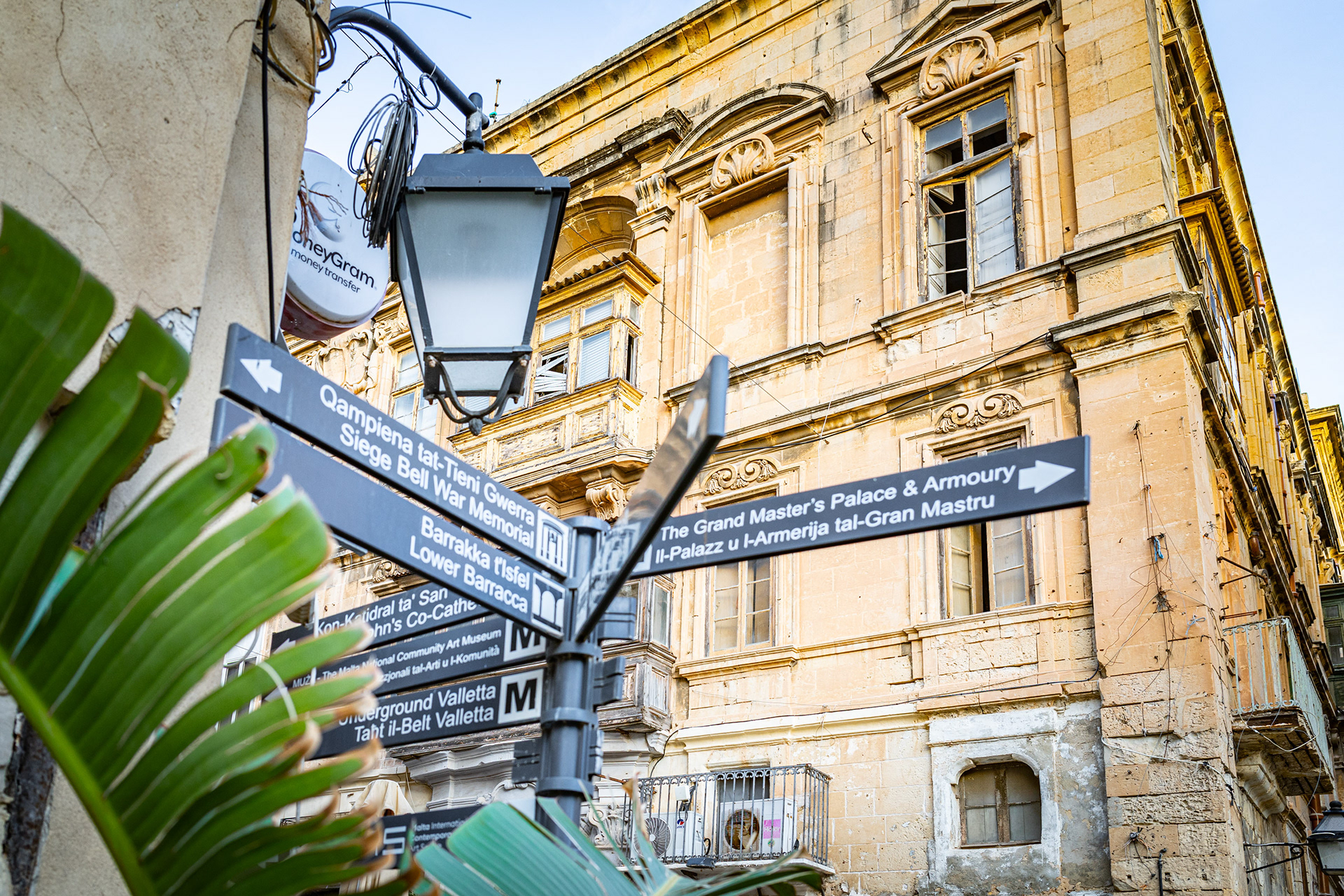
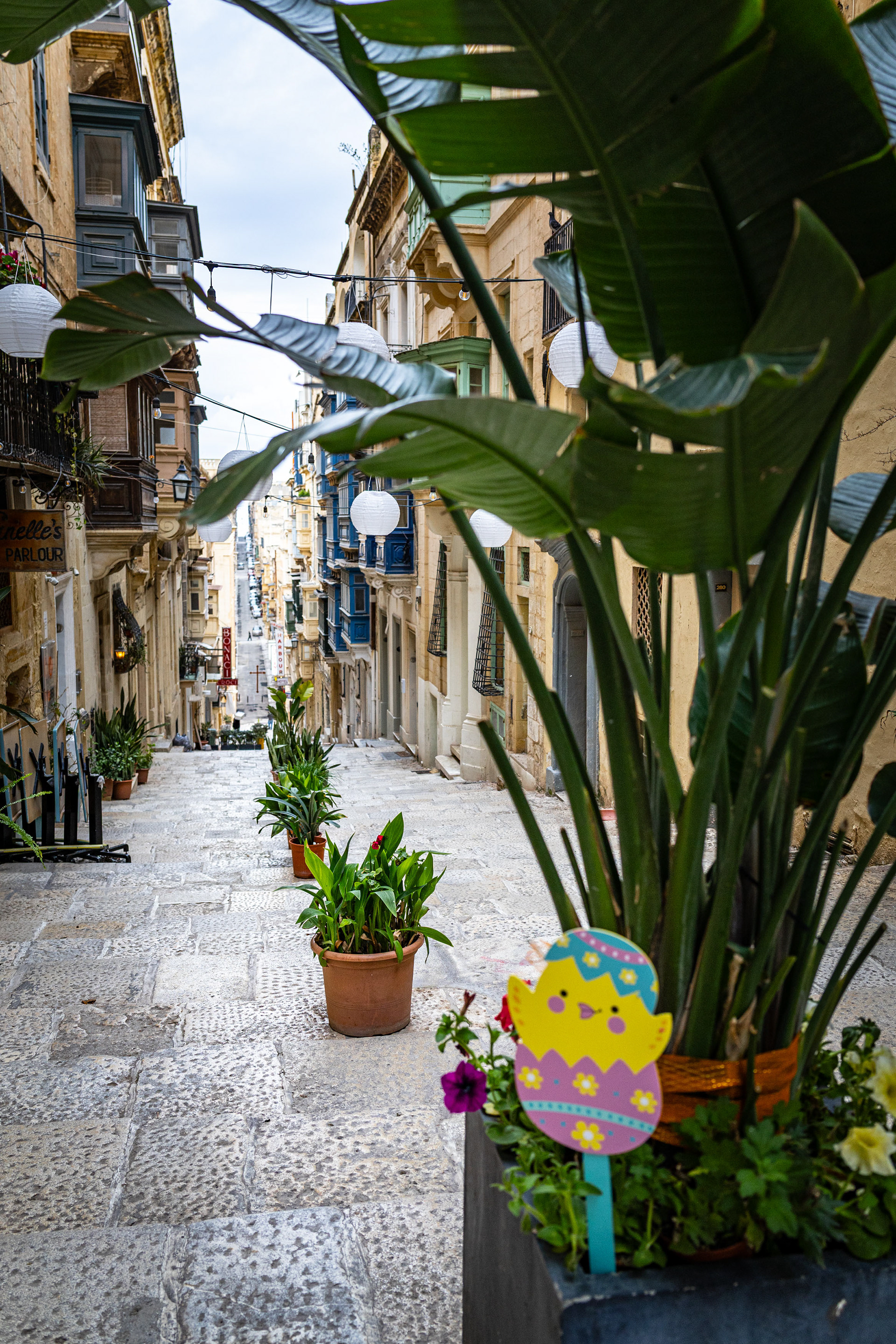
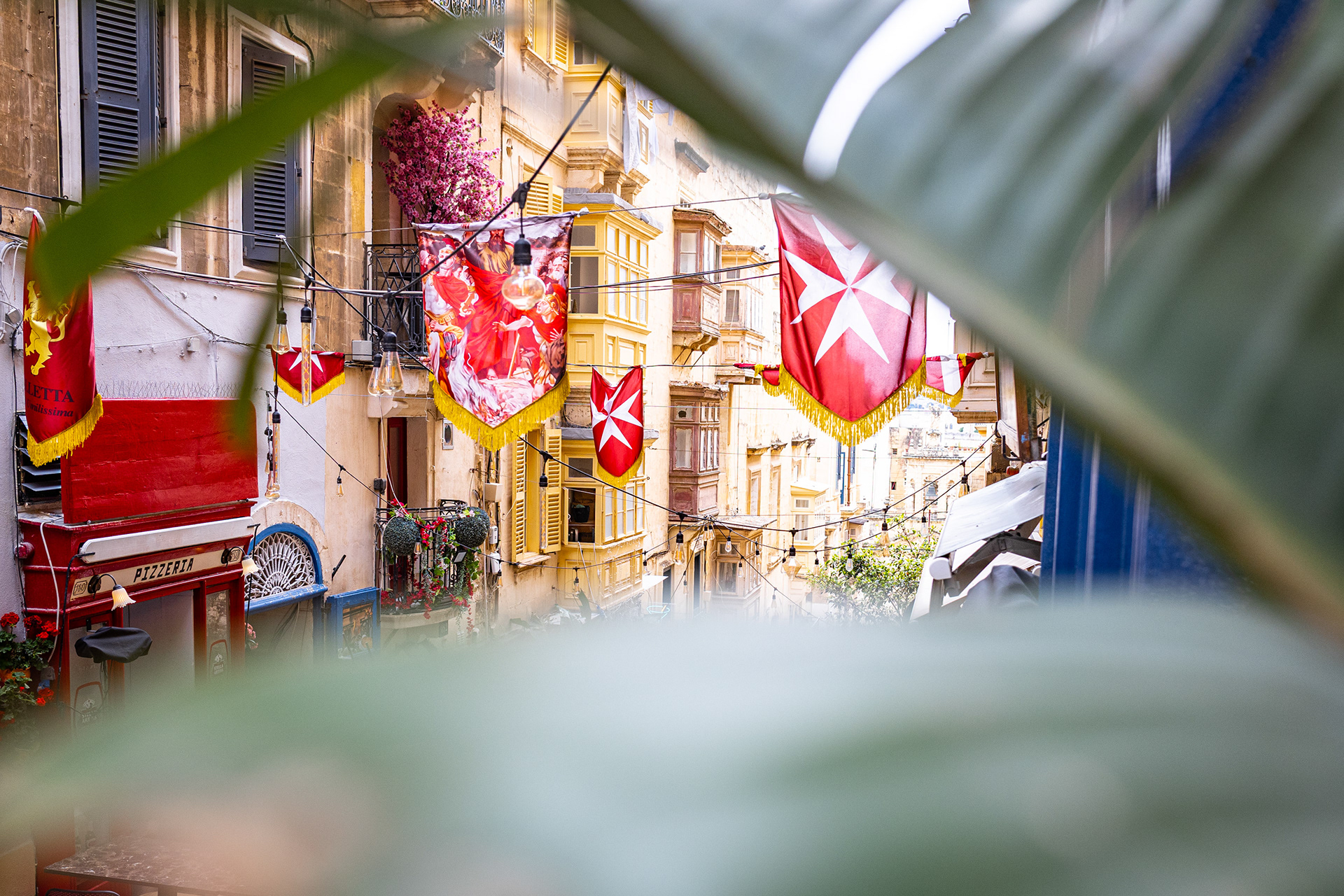
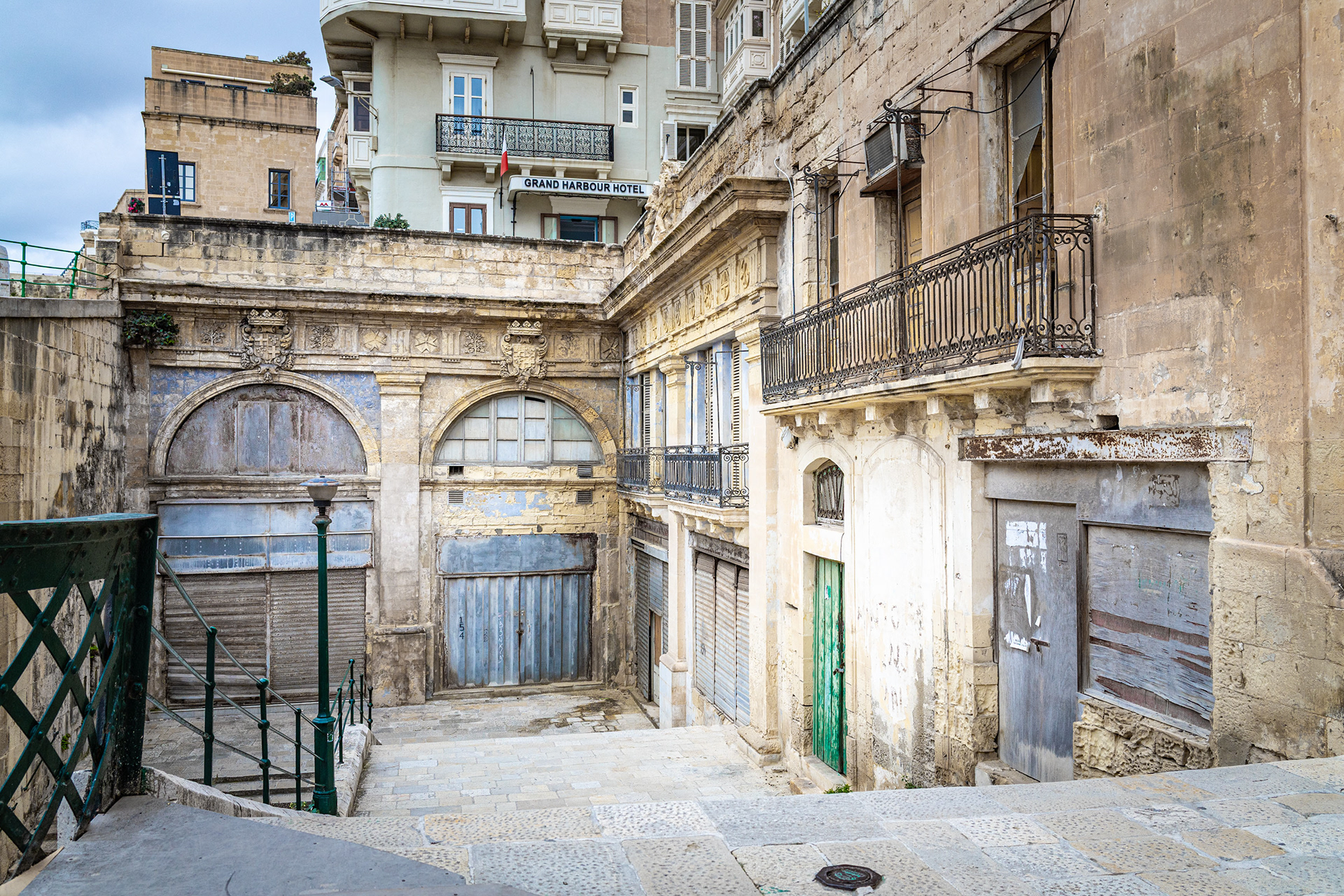
Valletta, Malta's capital, was founded in the 16th century by the Knights of St. John after the Great Siege of 1565. Built on a grid plan and protected by massive fortifications, it is one of the world's most concentrated collections of historic architecture and a UNESCO World Heritage Site.
PL:
Valletta, stolica Malty, została założona w XVI wieku przez Zakon Joannitów po Wielkim Oblężeniu z 1565 roku. Zaprojektowana na planie siatki ulic i otoczona potężnymi fortyfikacjami, jest jednym z najbardziej skoncentrowanych zespołów zabytkowej architektury na świecie i znajduje się na liście UNESCO.
Valletta, stolica Malty, została założona w XVI wieku przez Zakon Joannitów po Wielkim Oblężeniu z 1565 roku. Zaprojektowana na planie siatki ulic i otoczona potężnymi fortyfikacjami, jest jednym z najbardziej skoncentrowanych zespołów zabytkowej architektury na świecie i znajduje się na liście UNESCO.
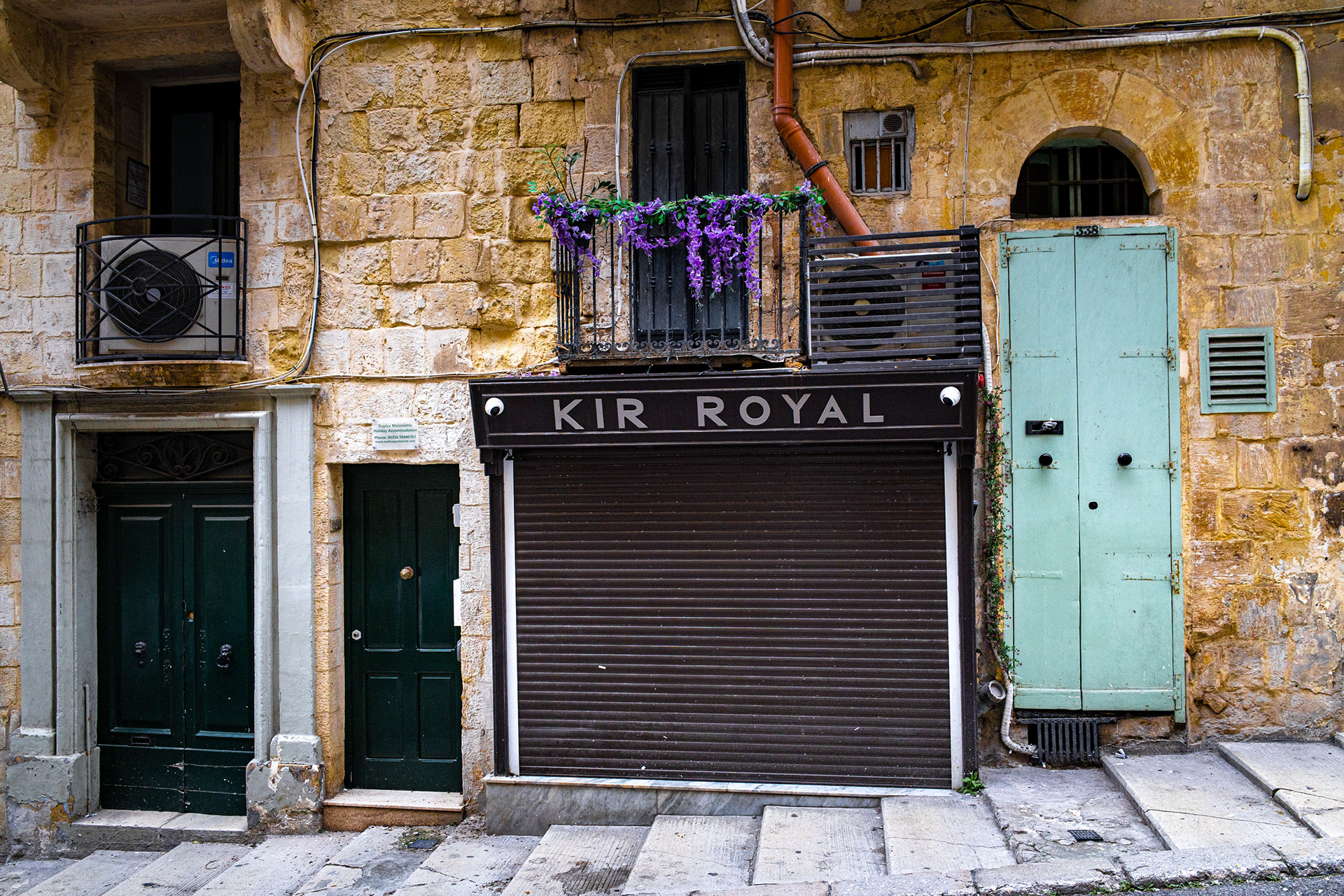
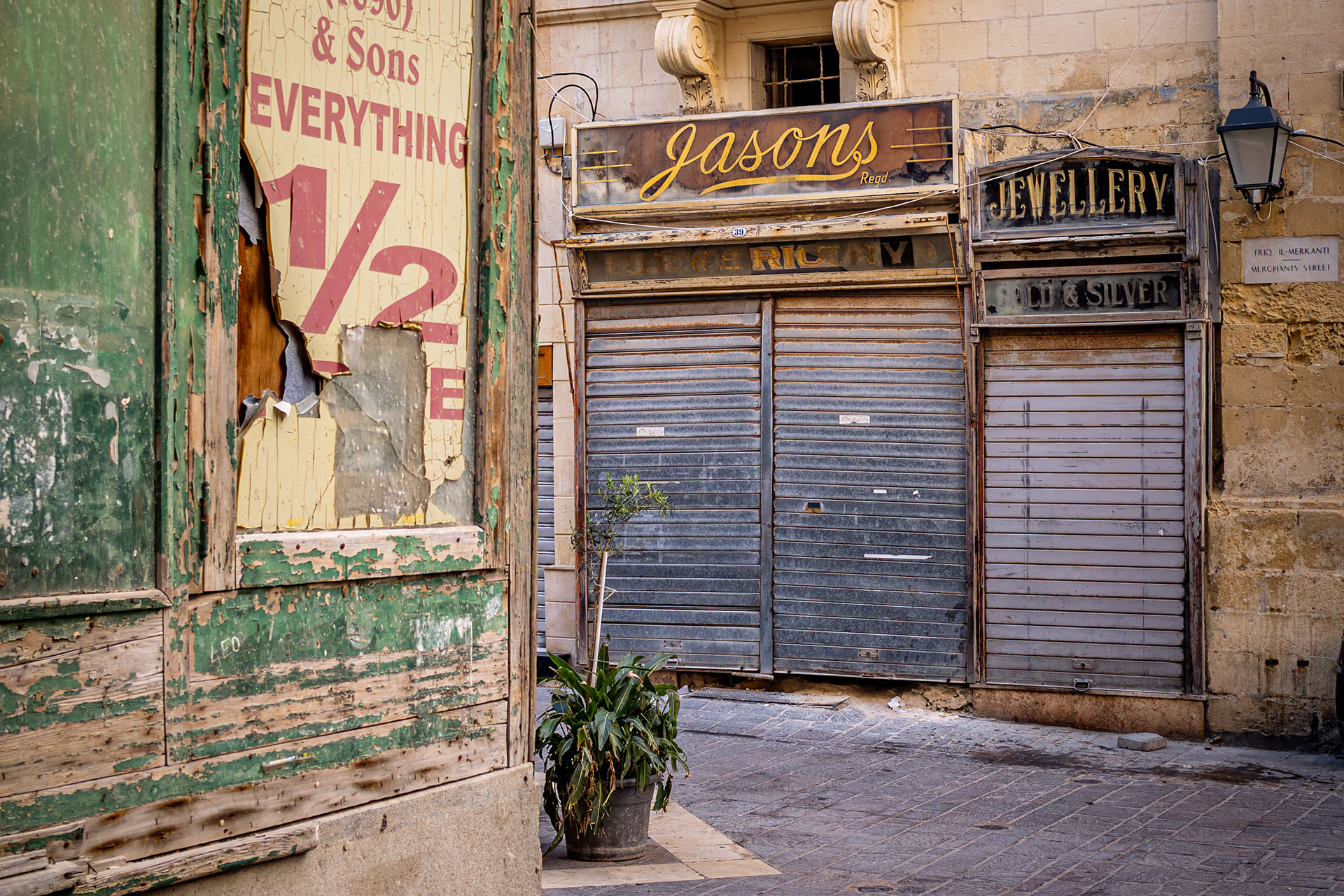
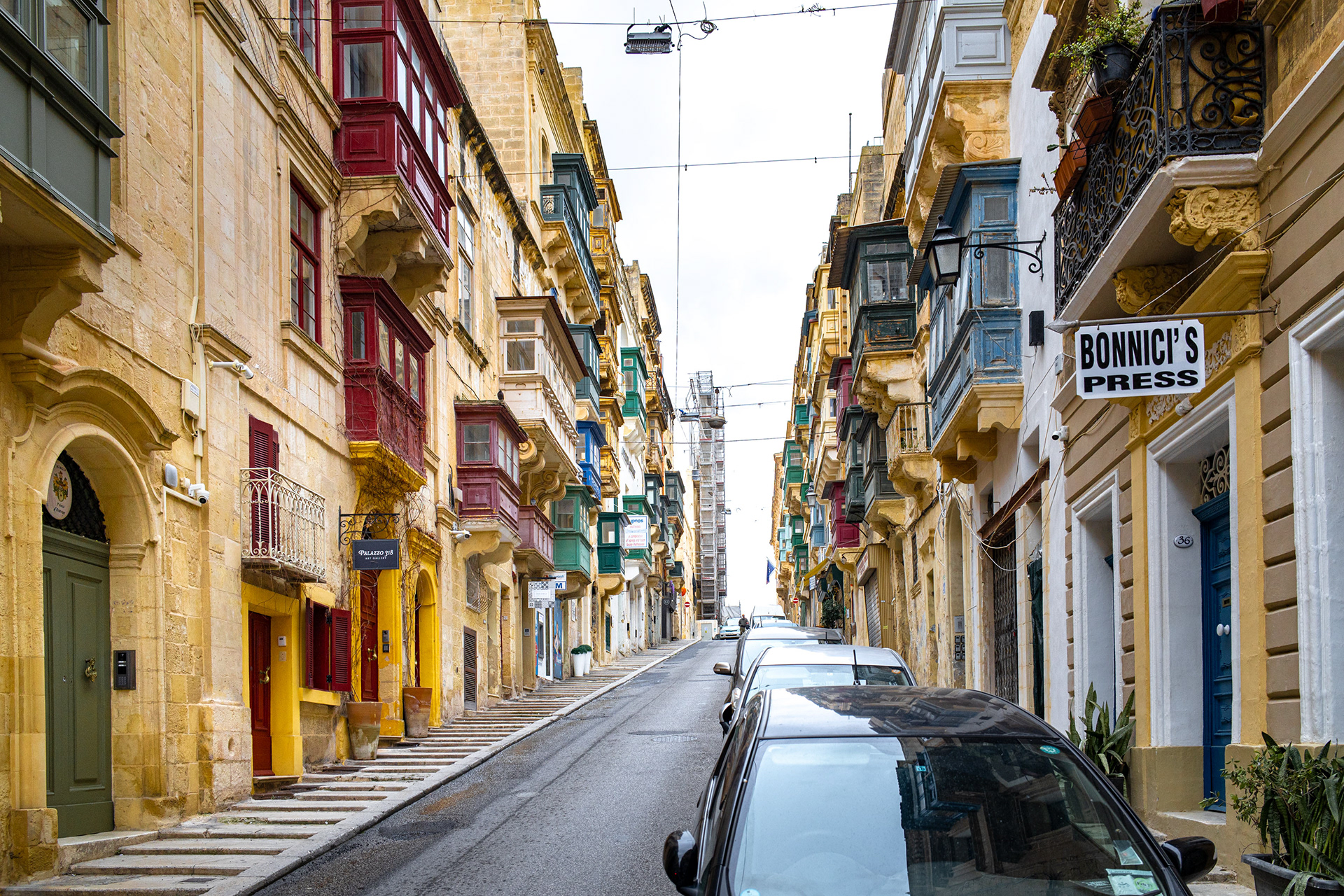
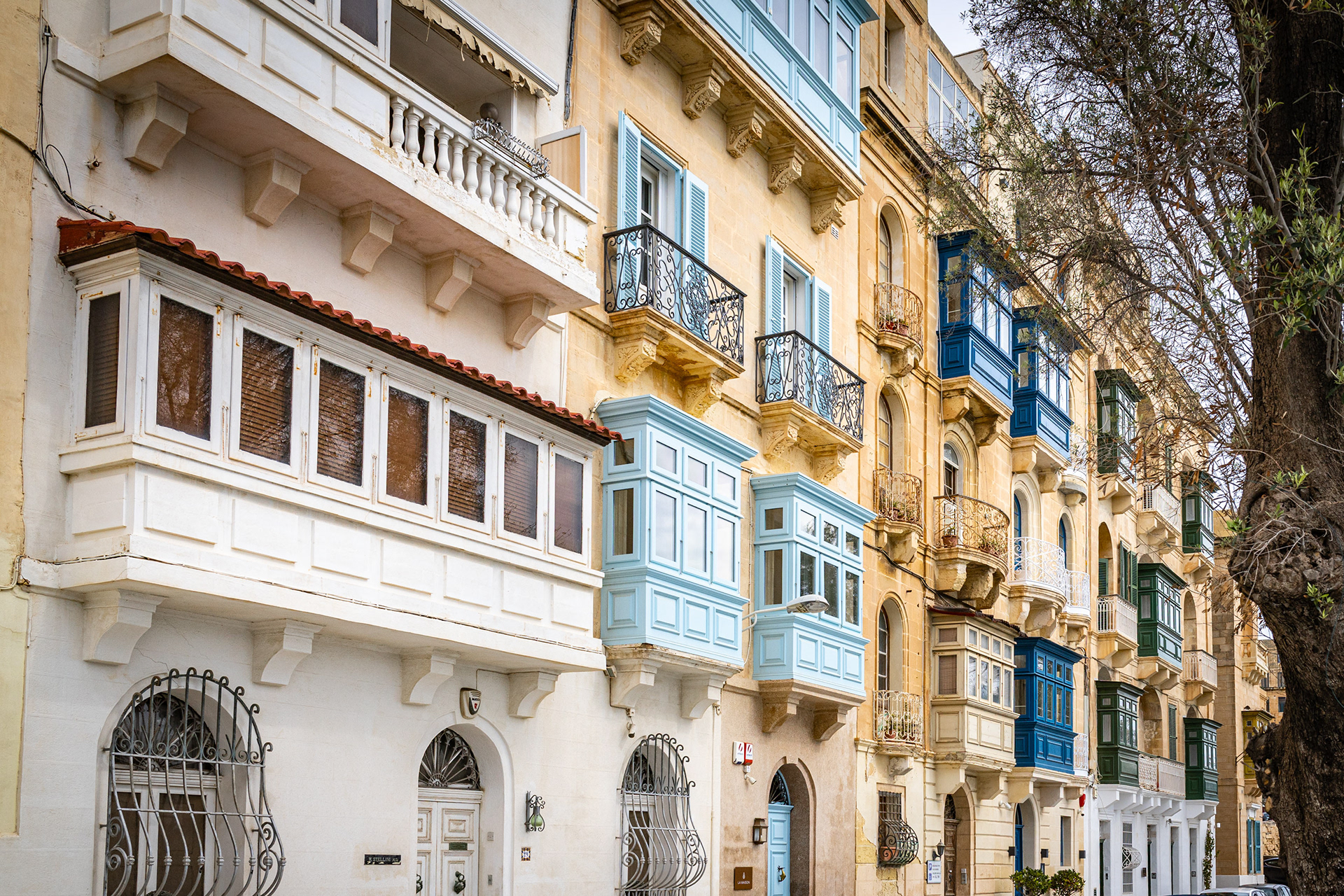
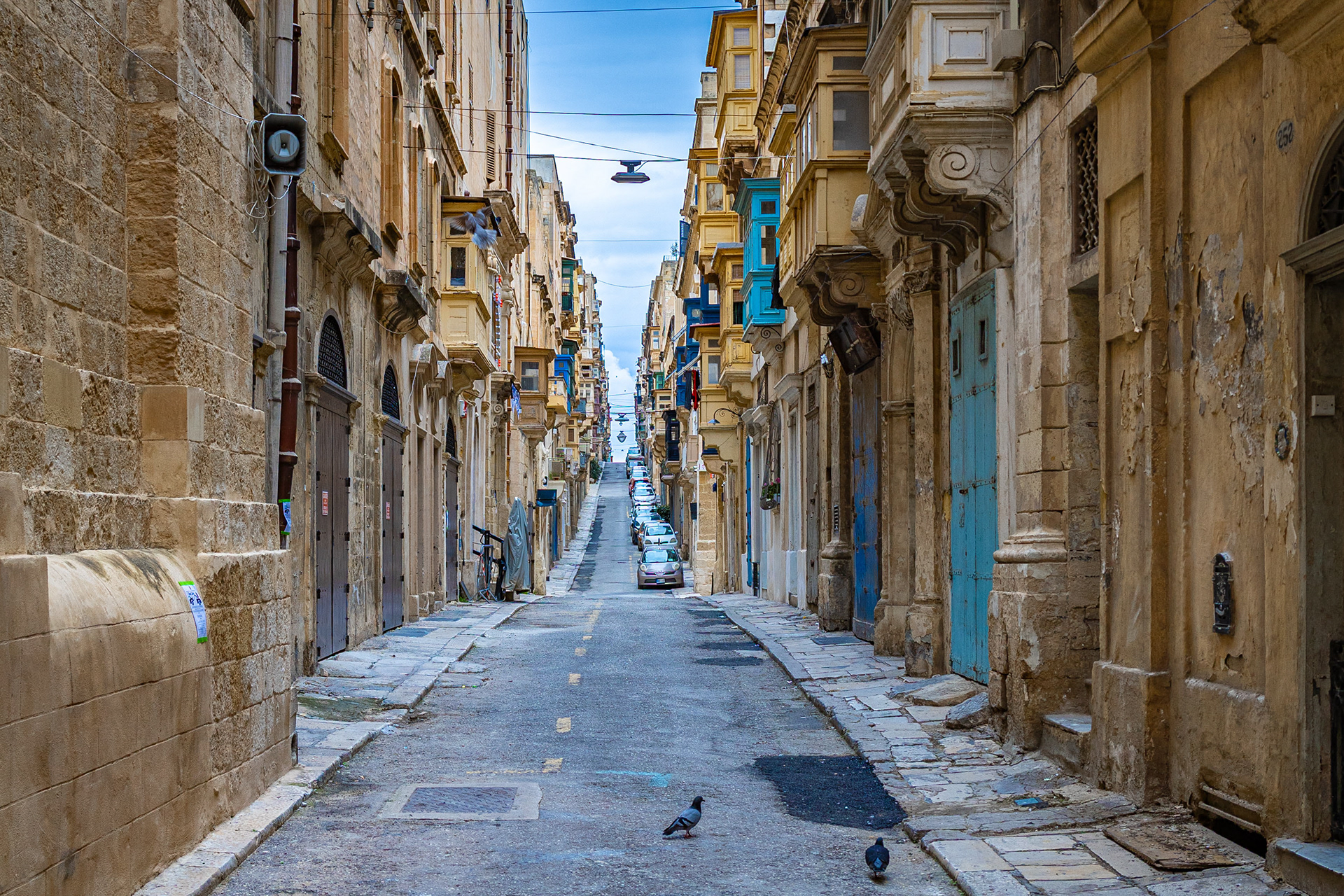
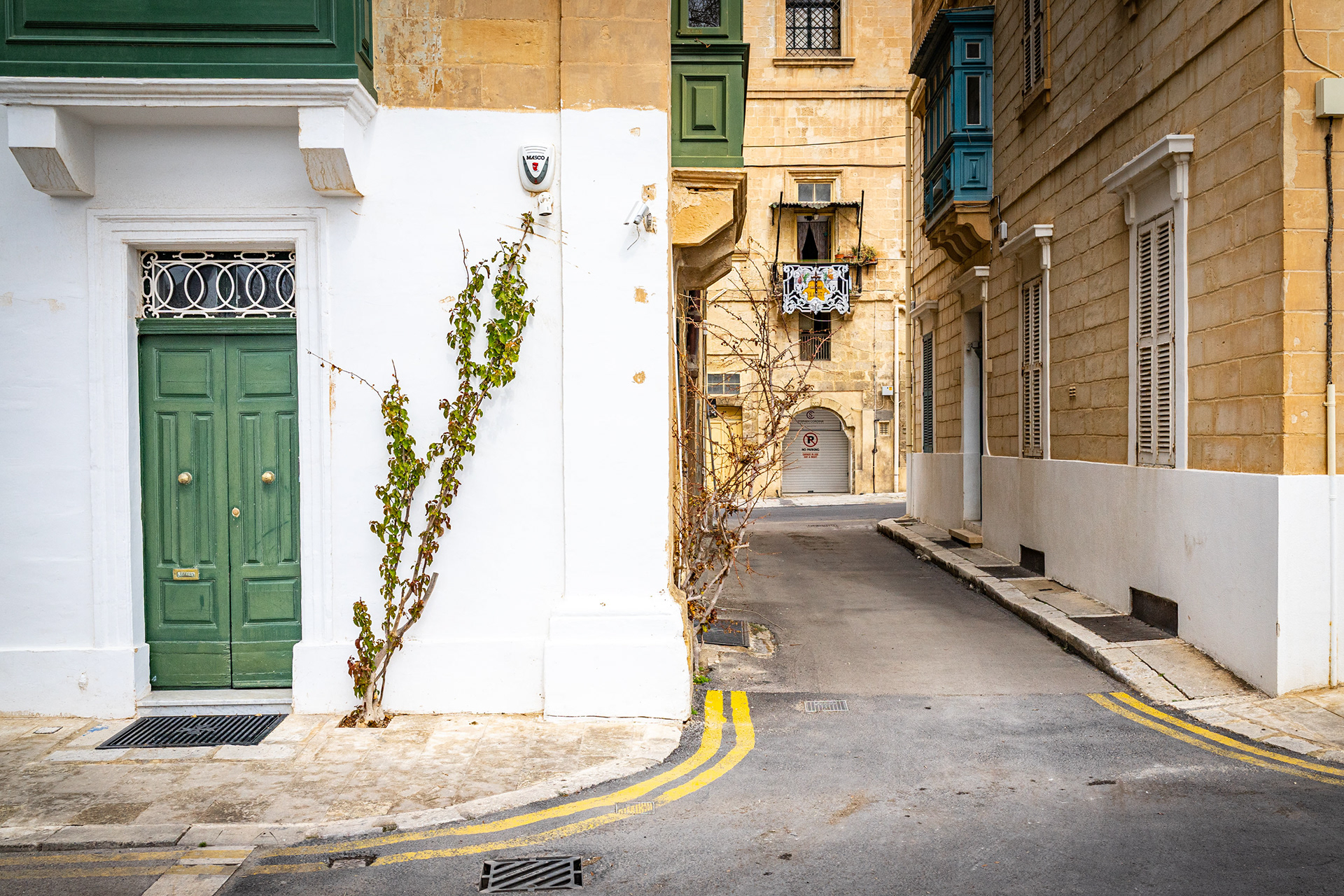
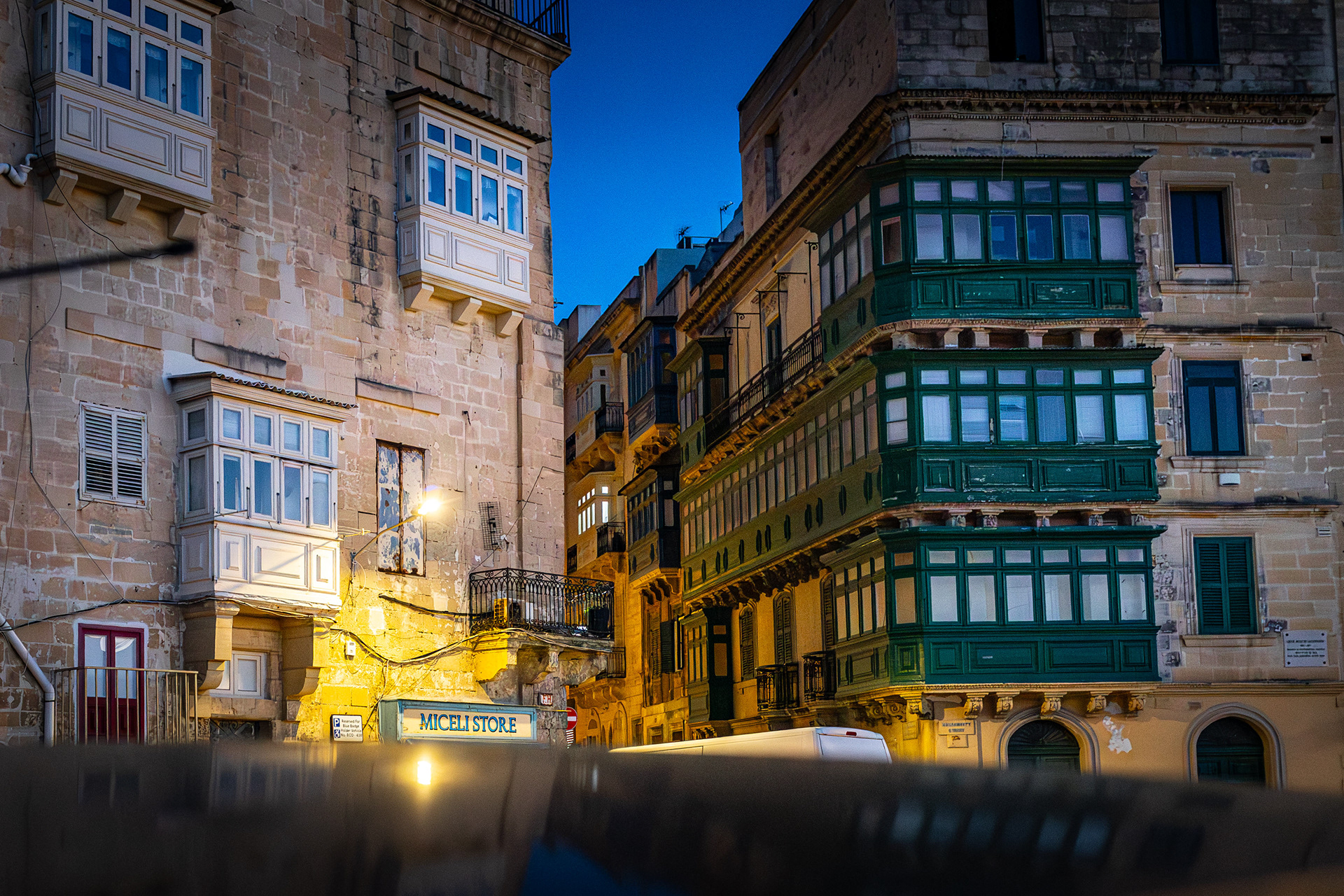
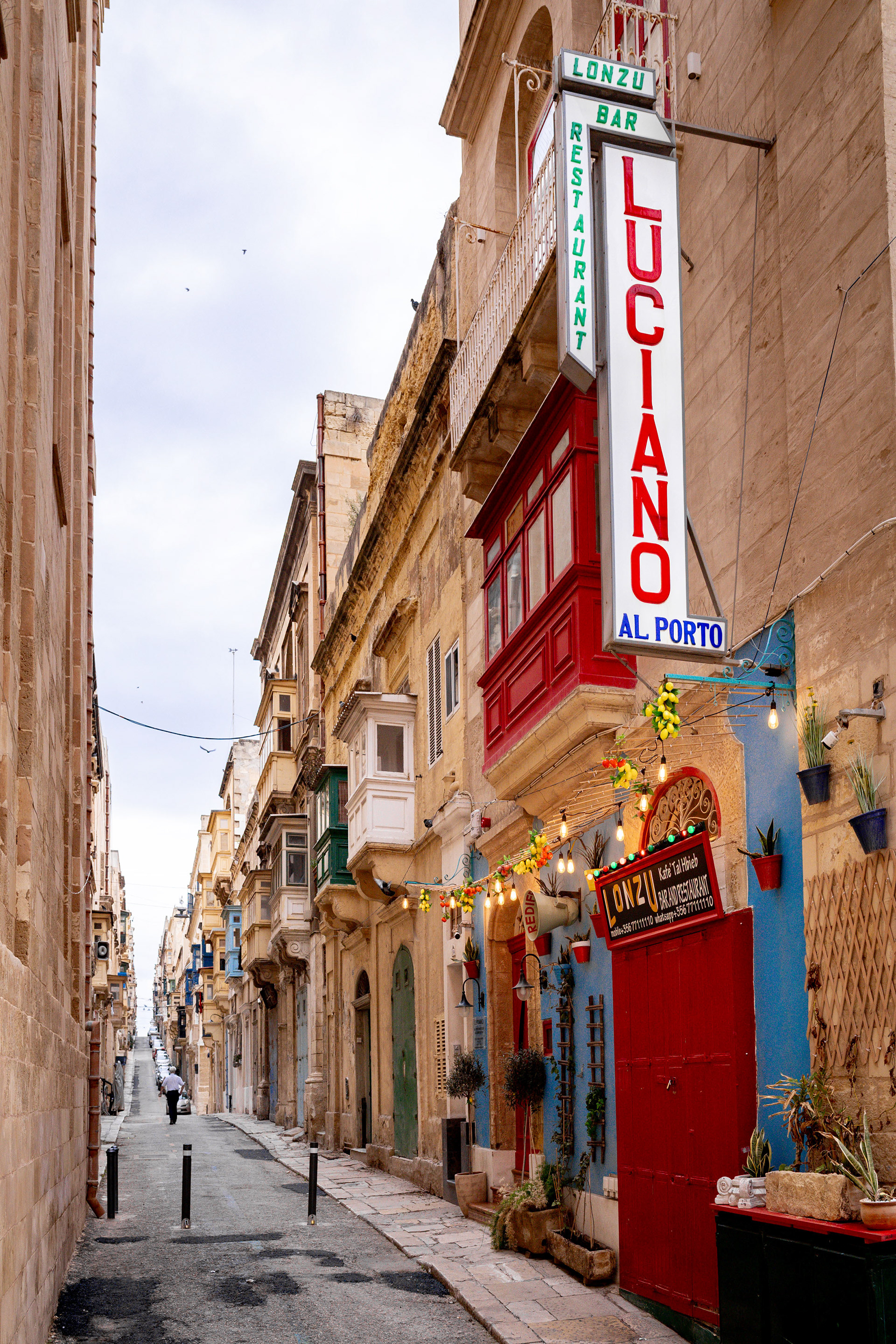
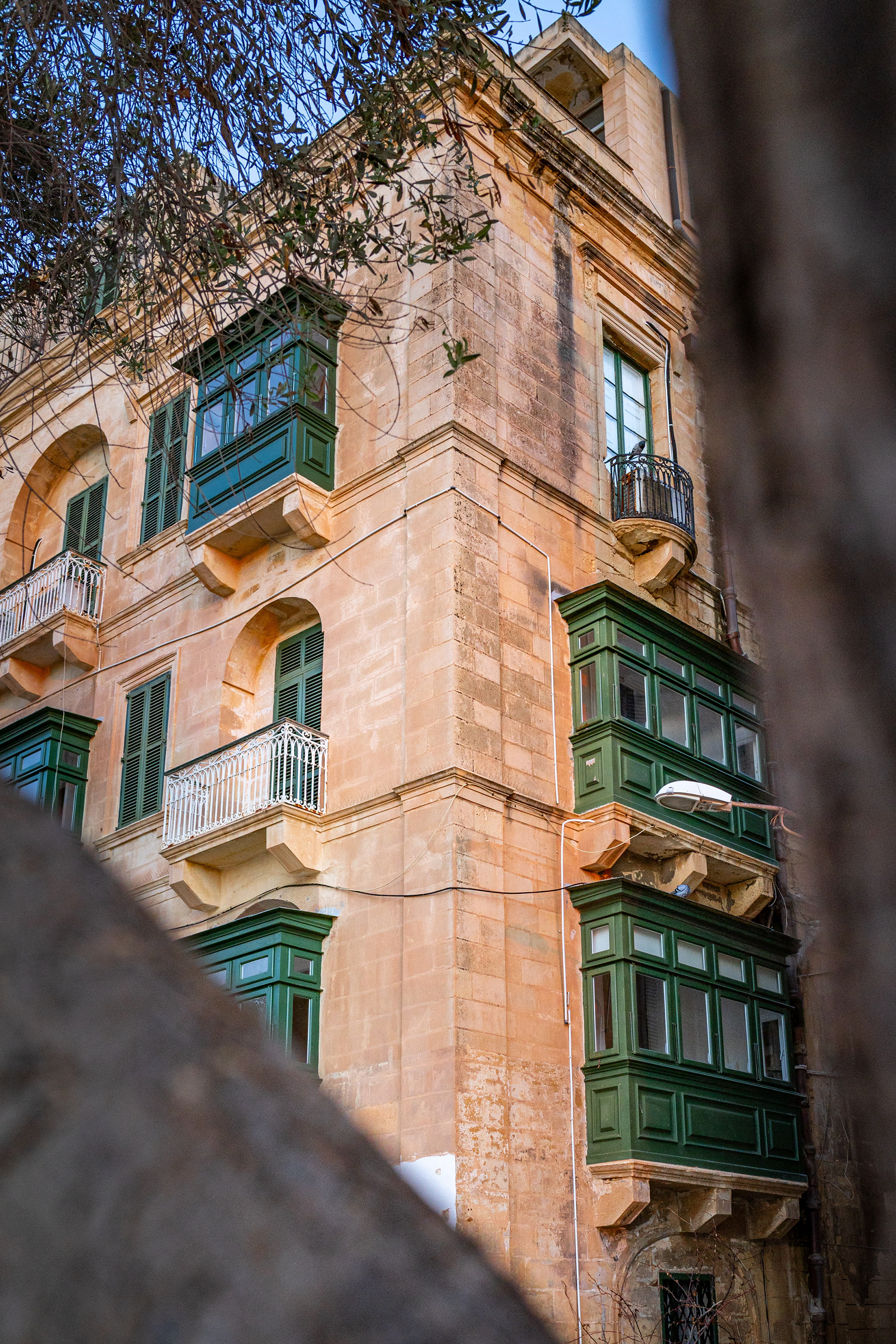
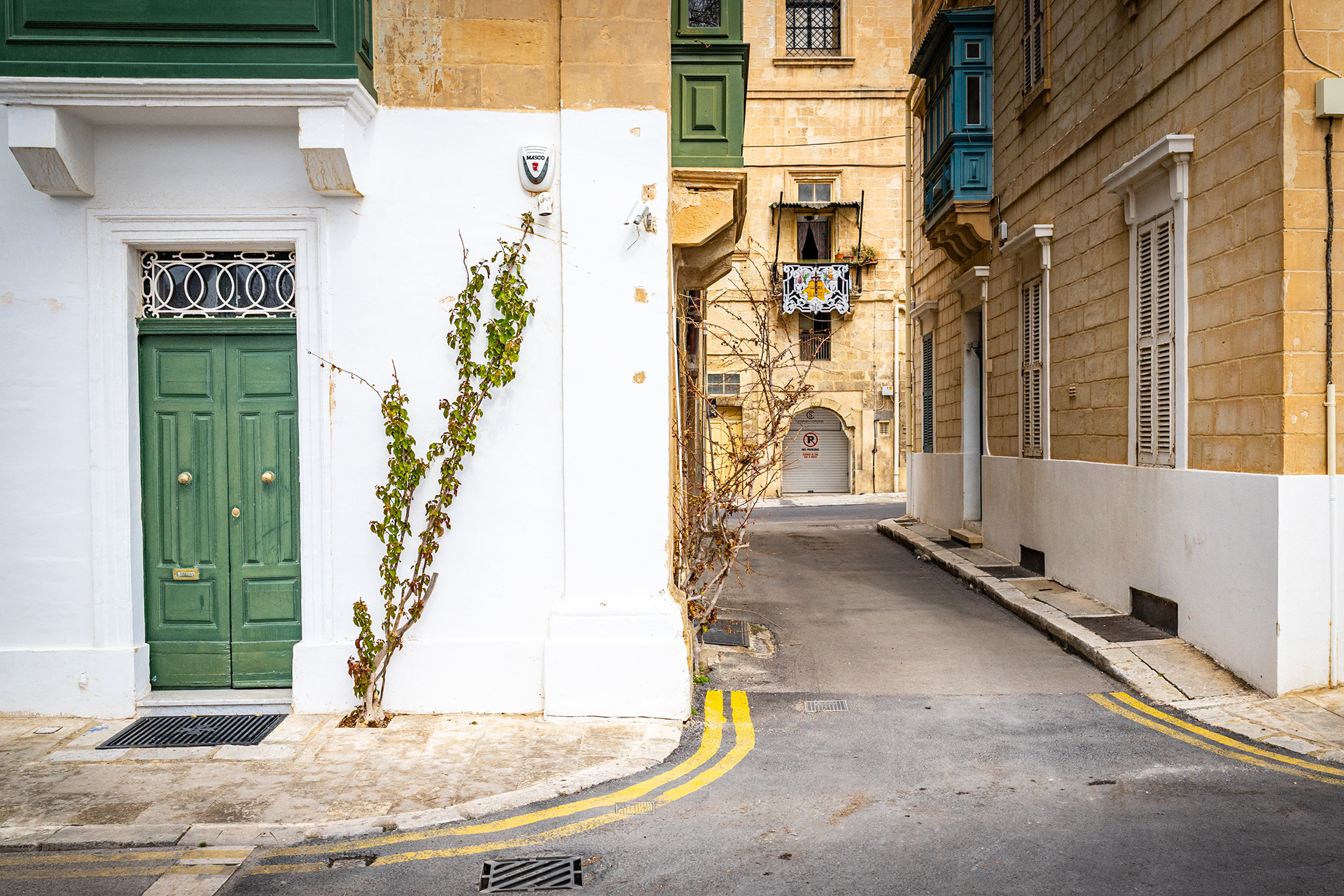
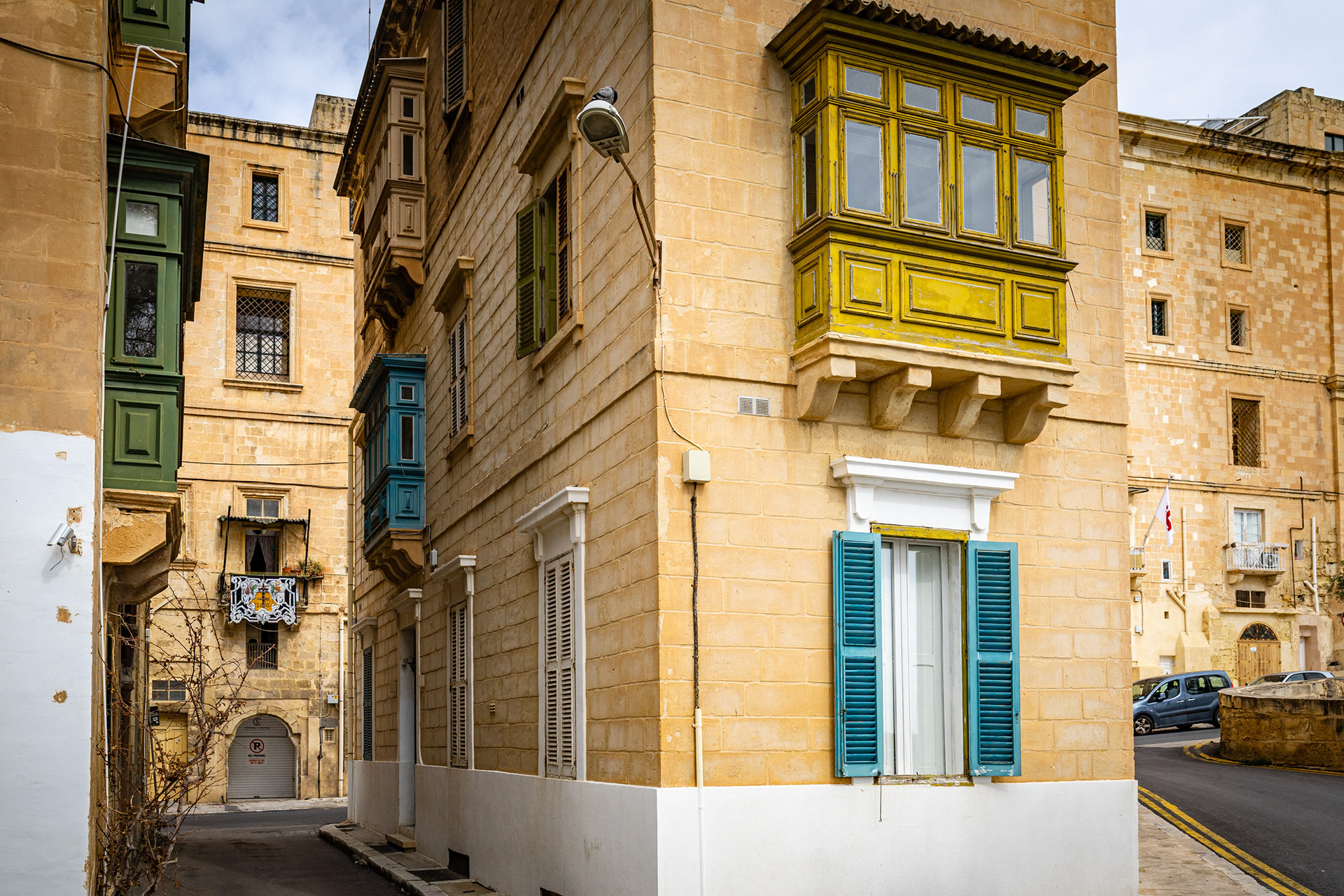
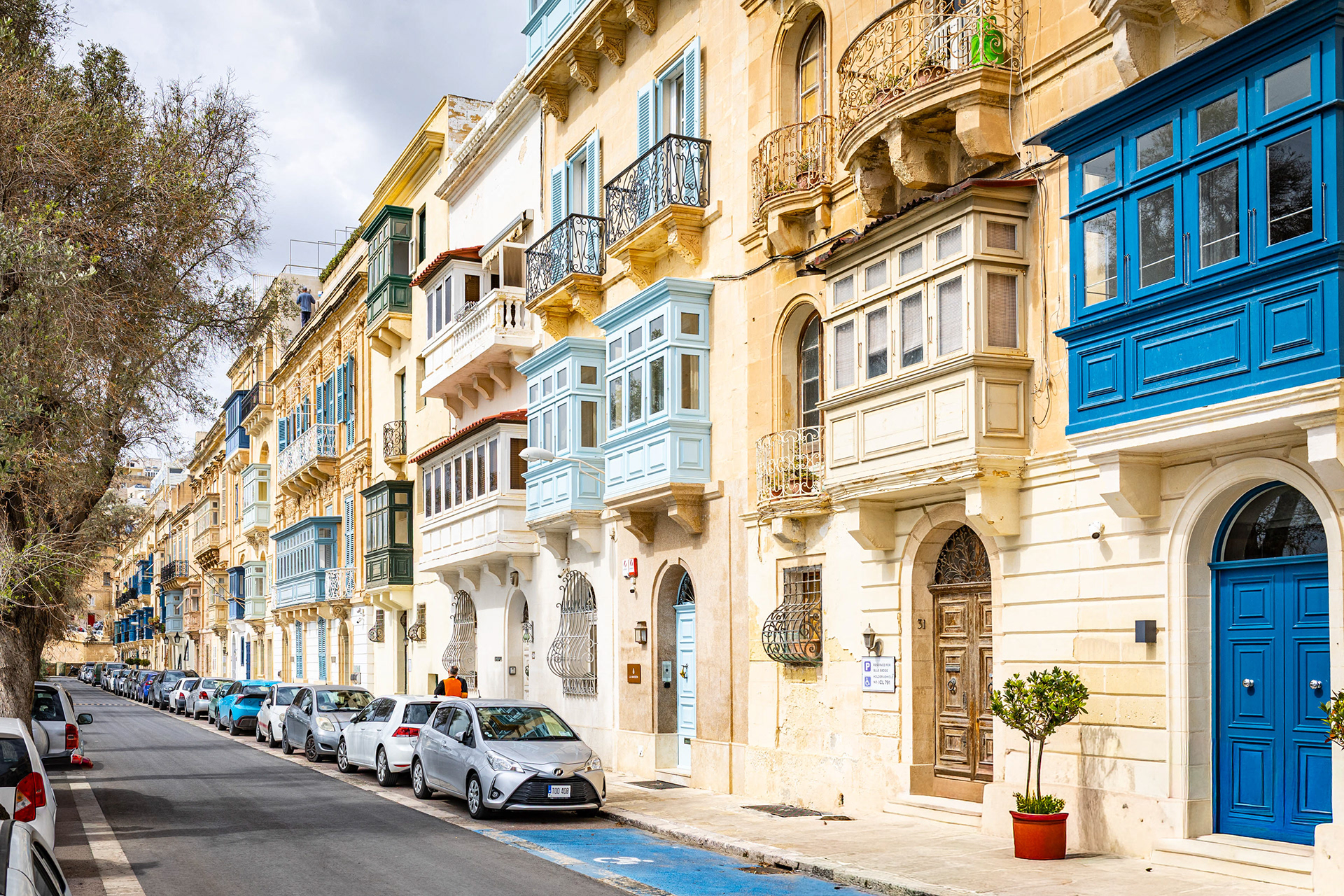
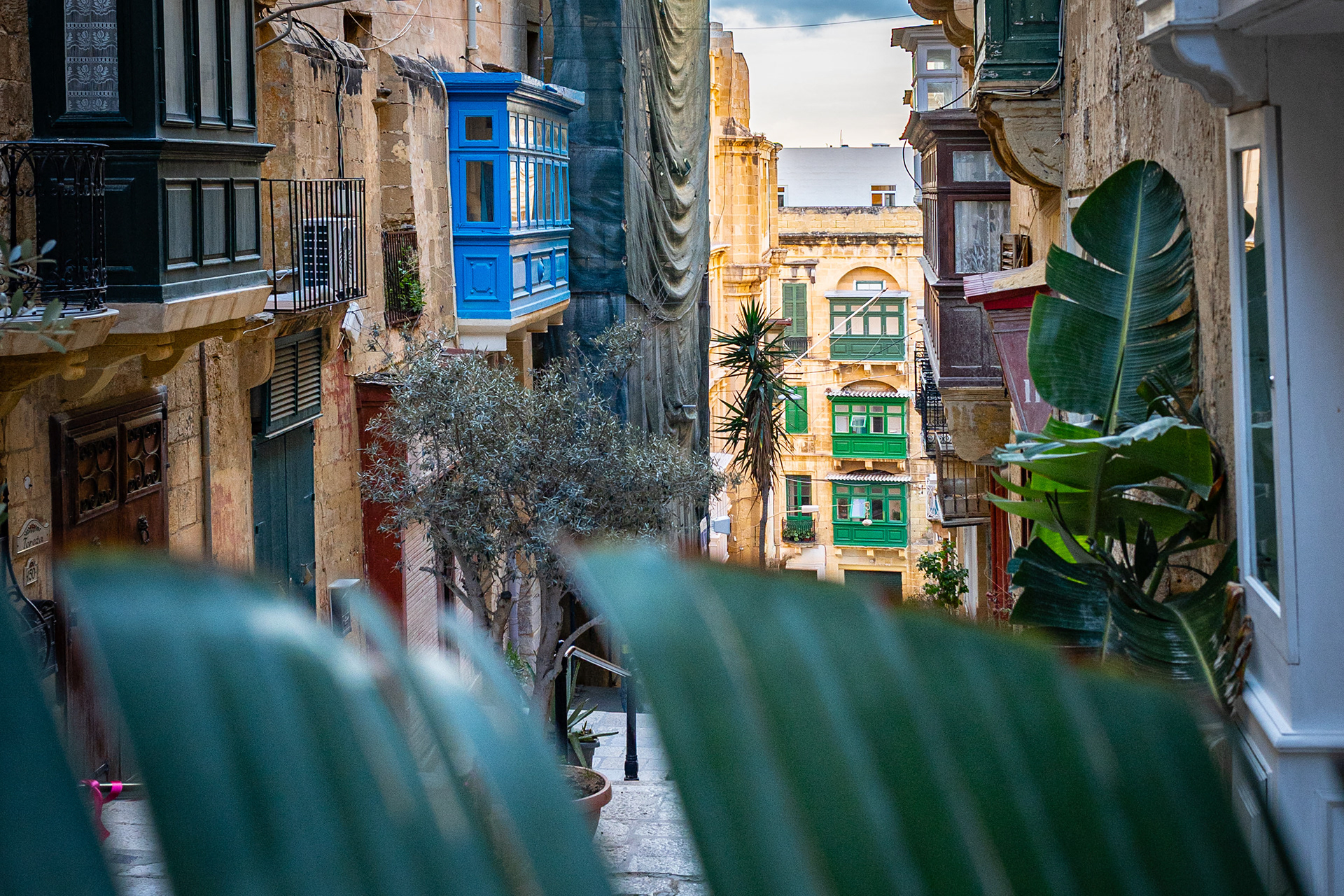
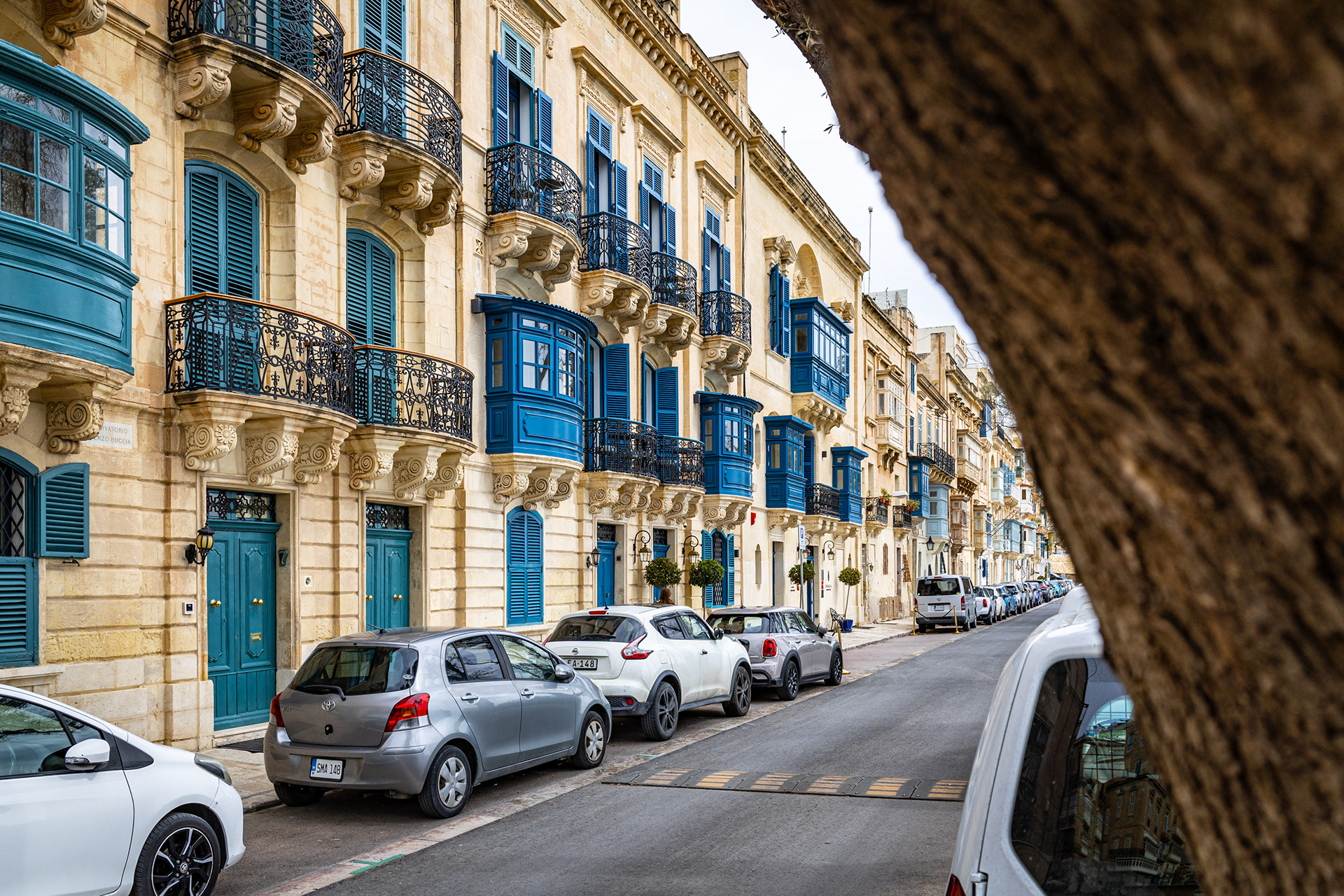
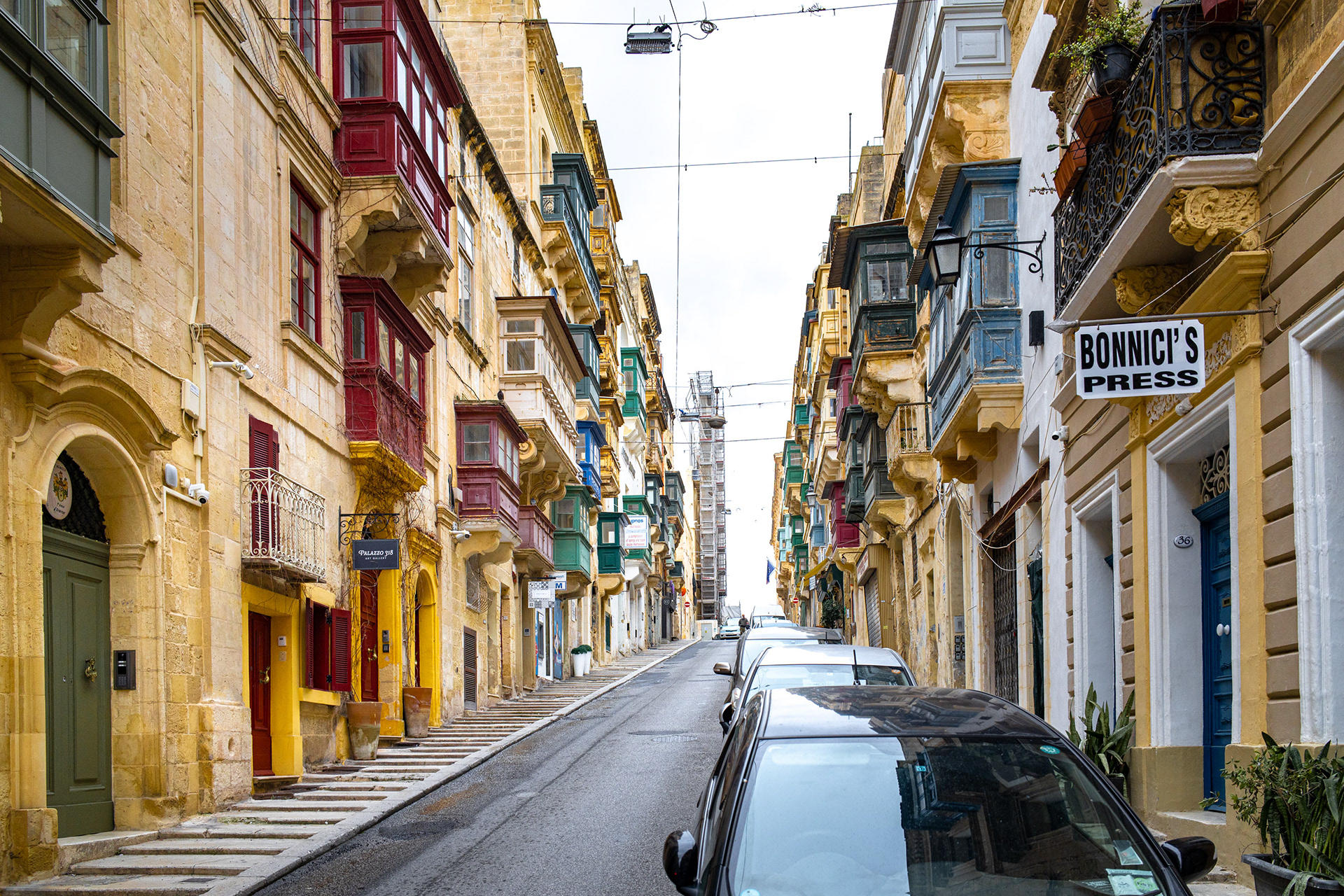
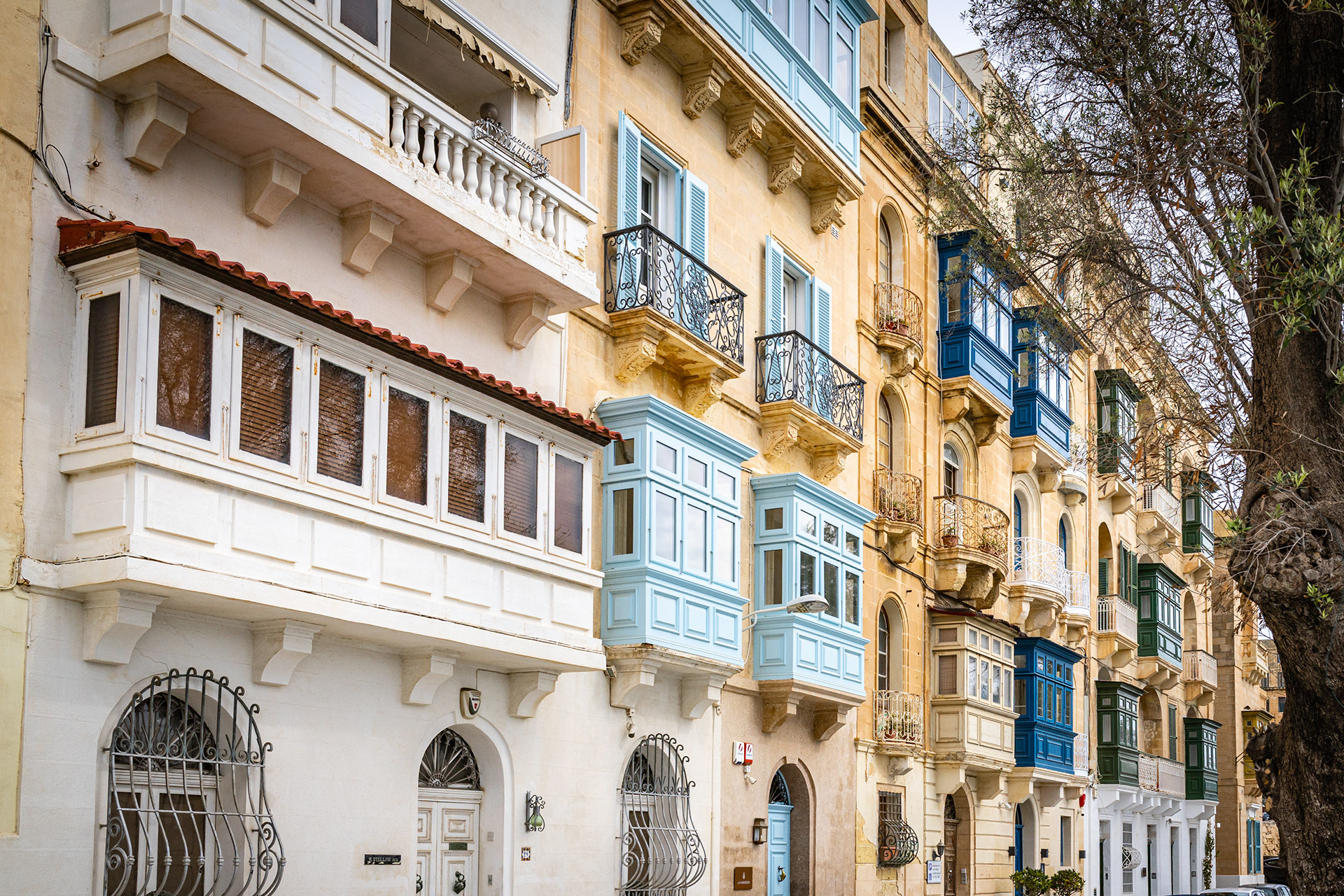
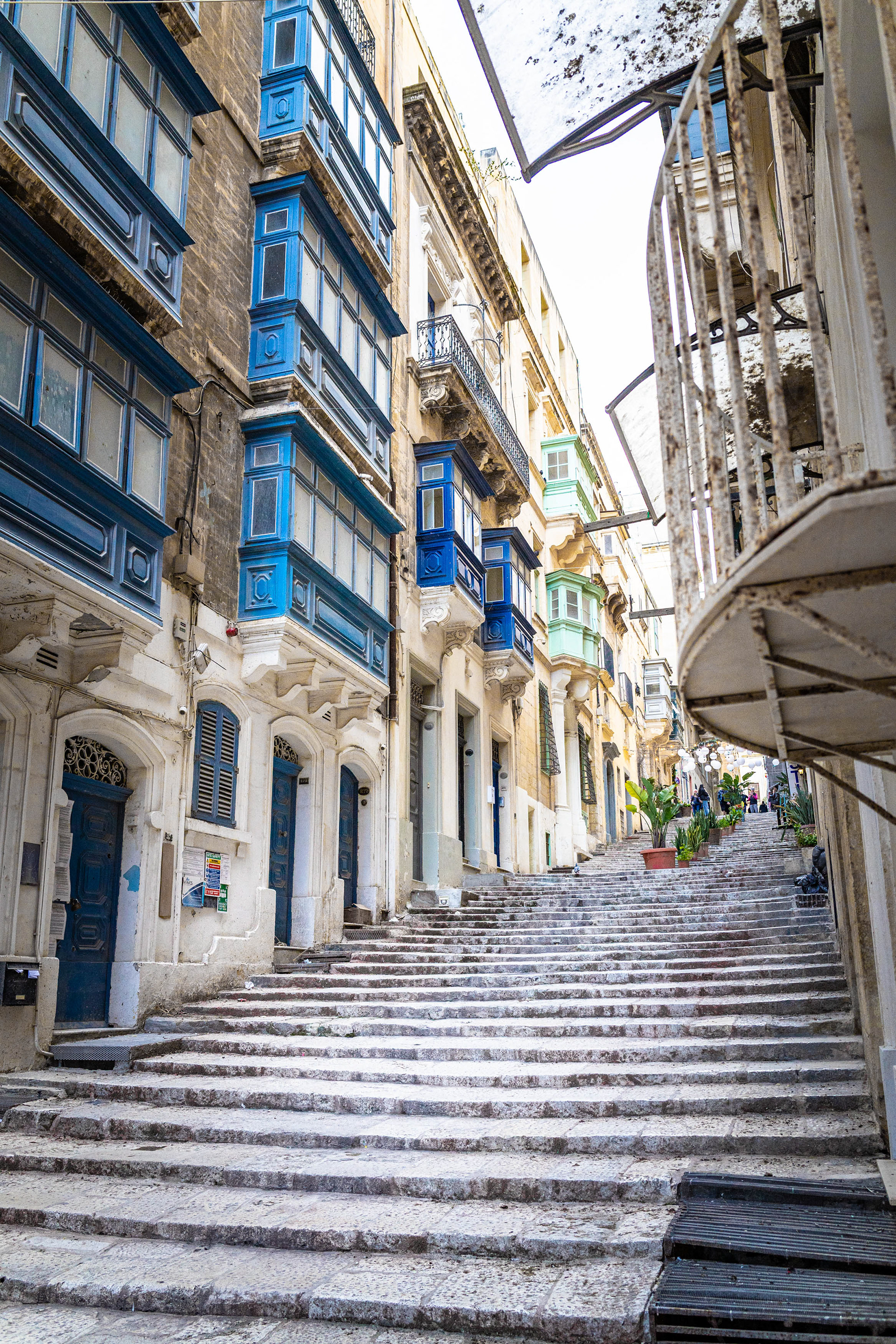
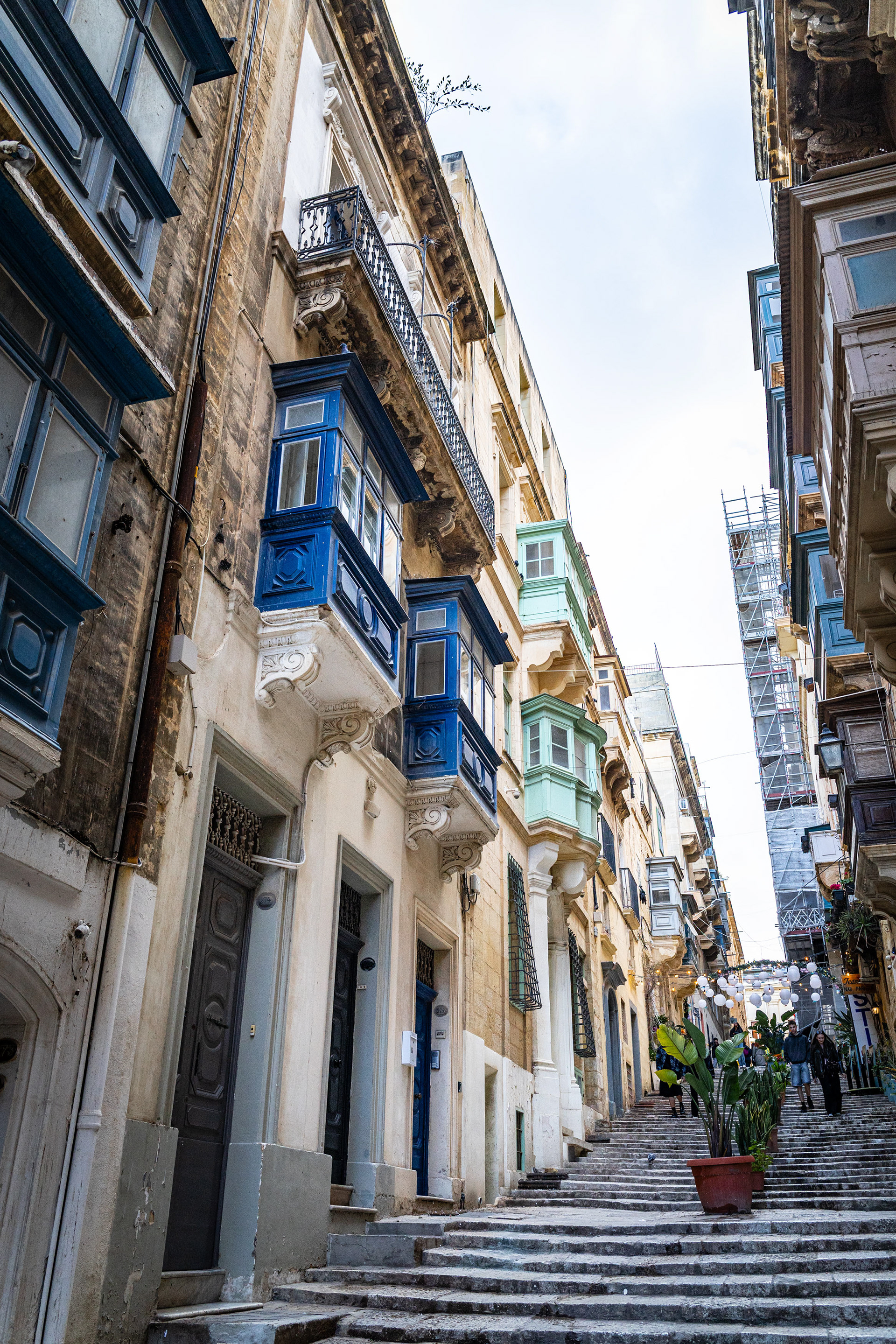
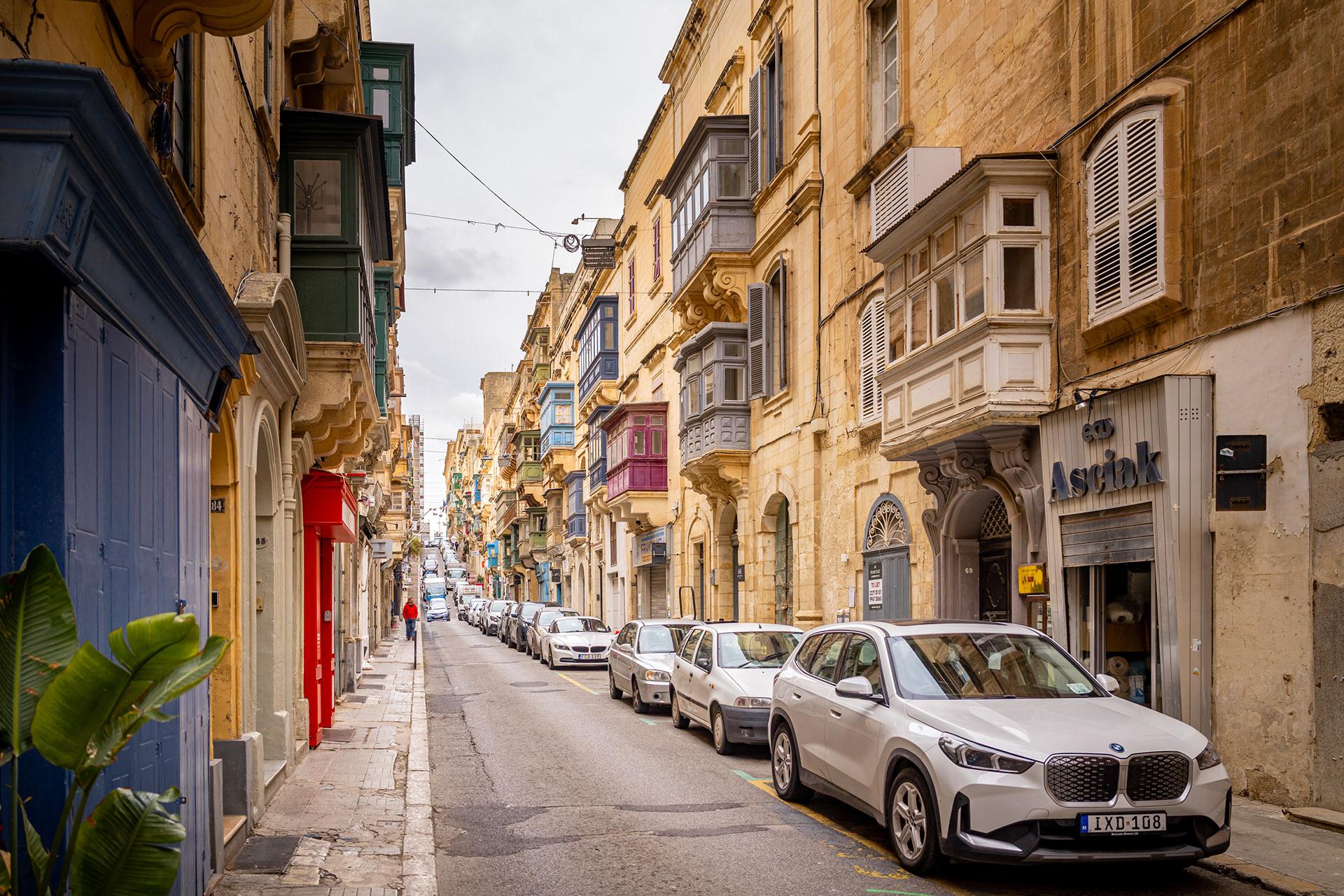
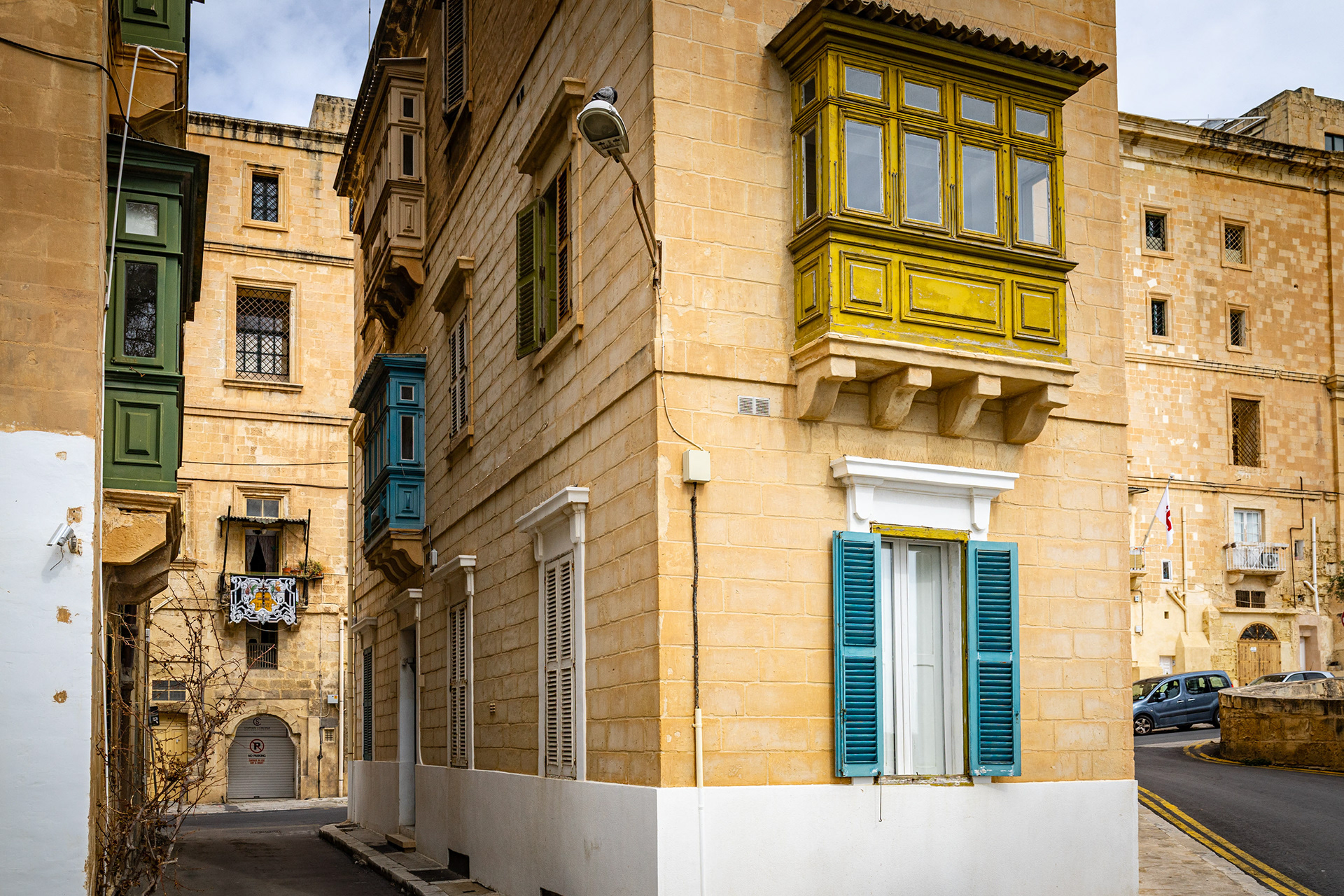
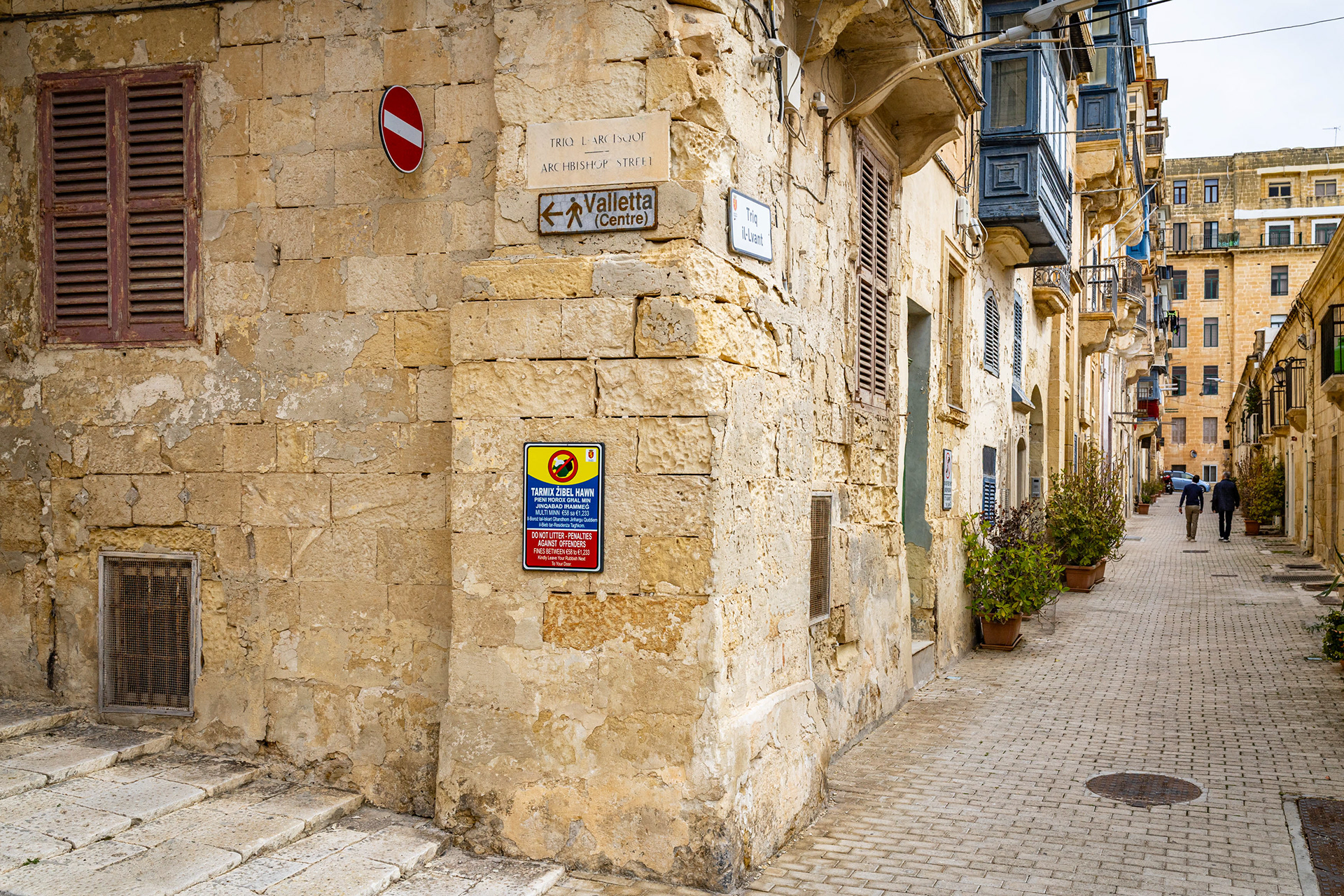
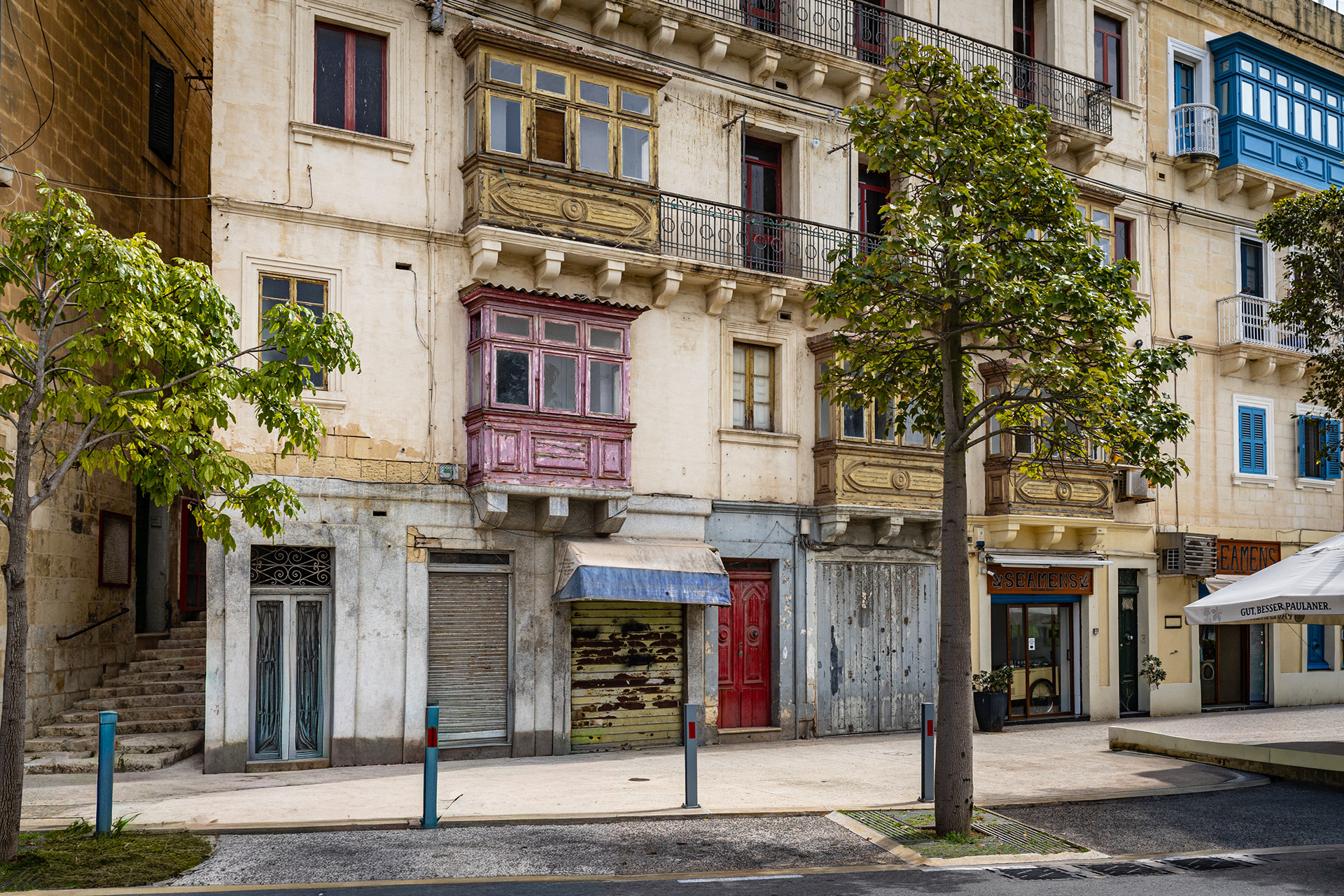
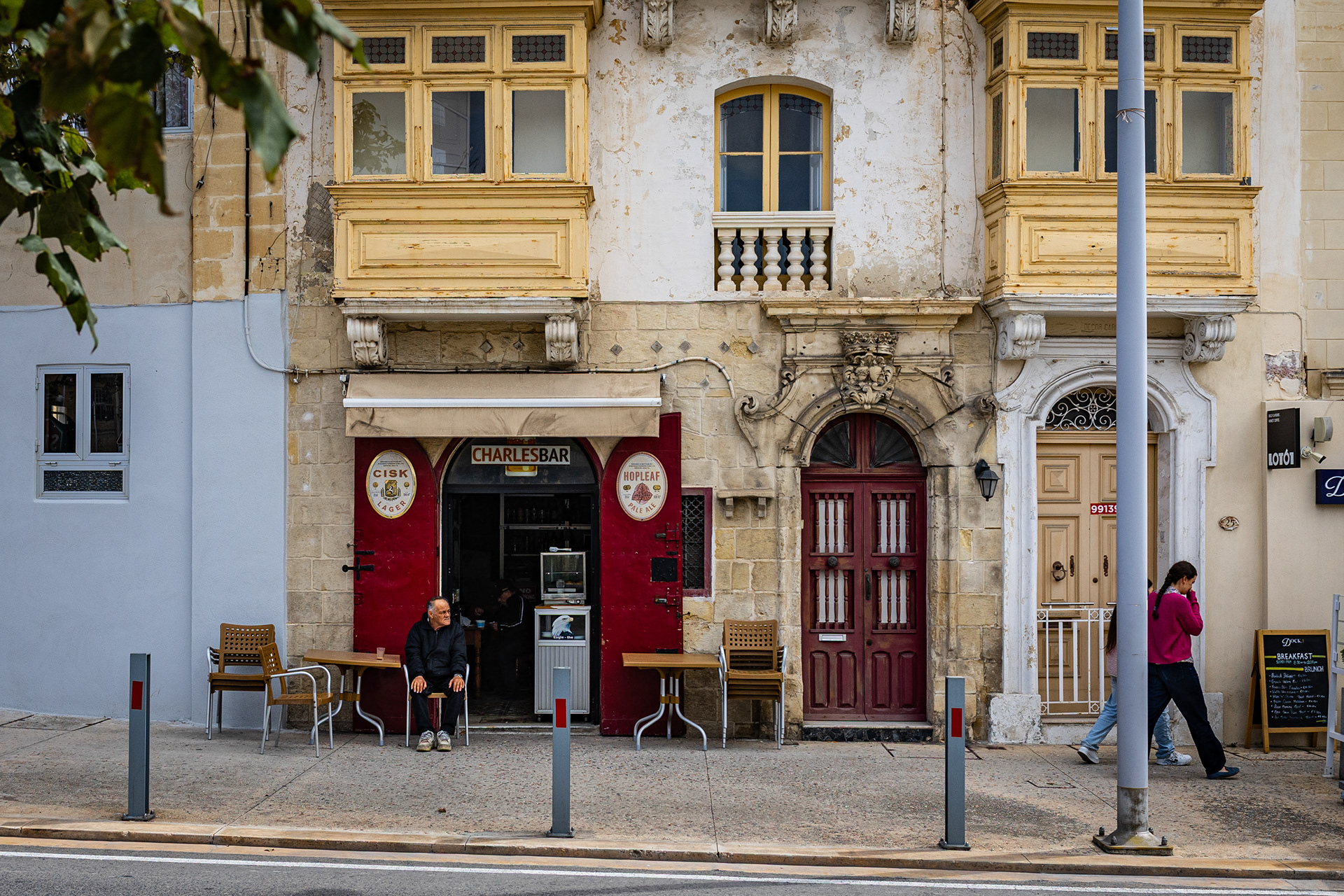
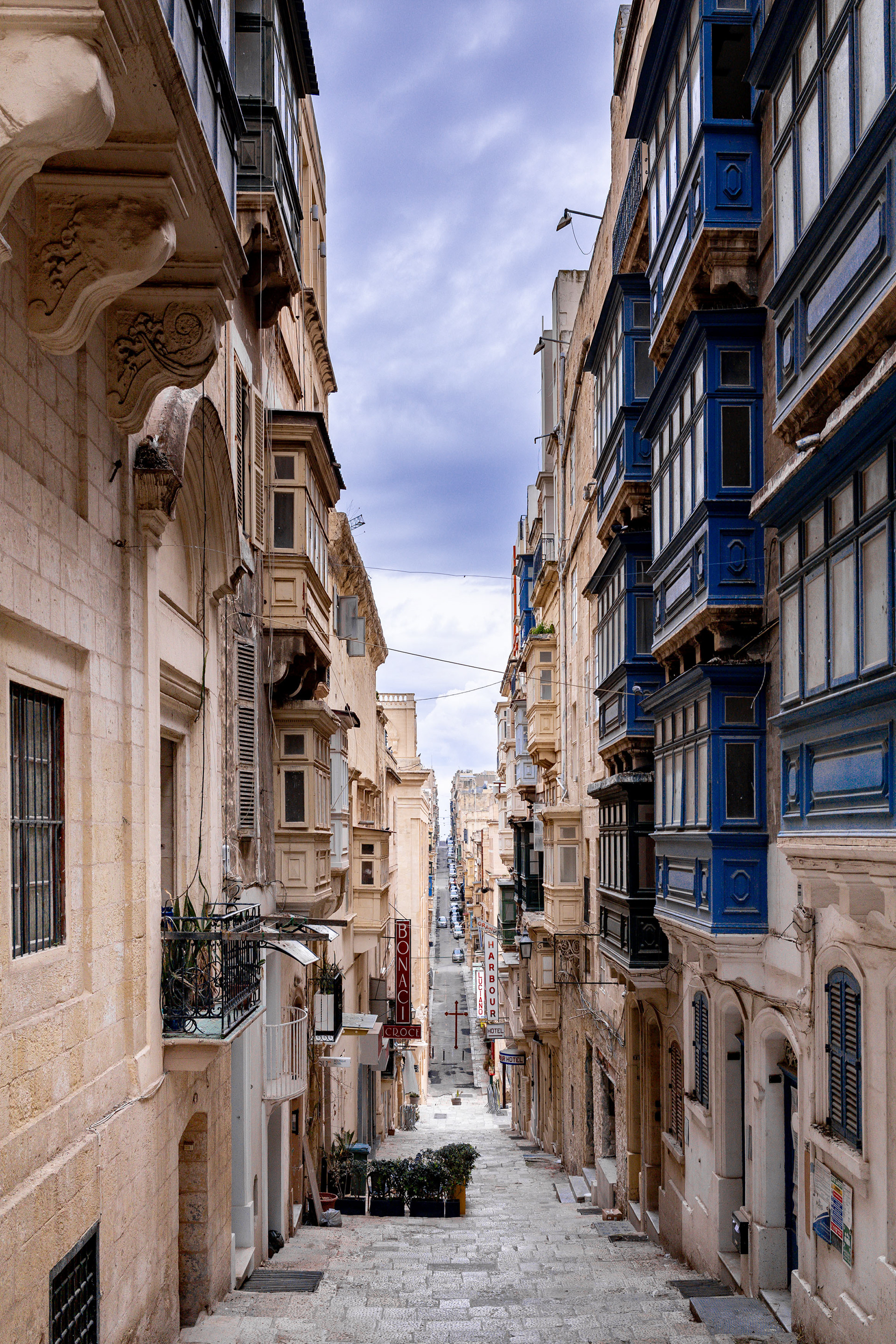
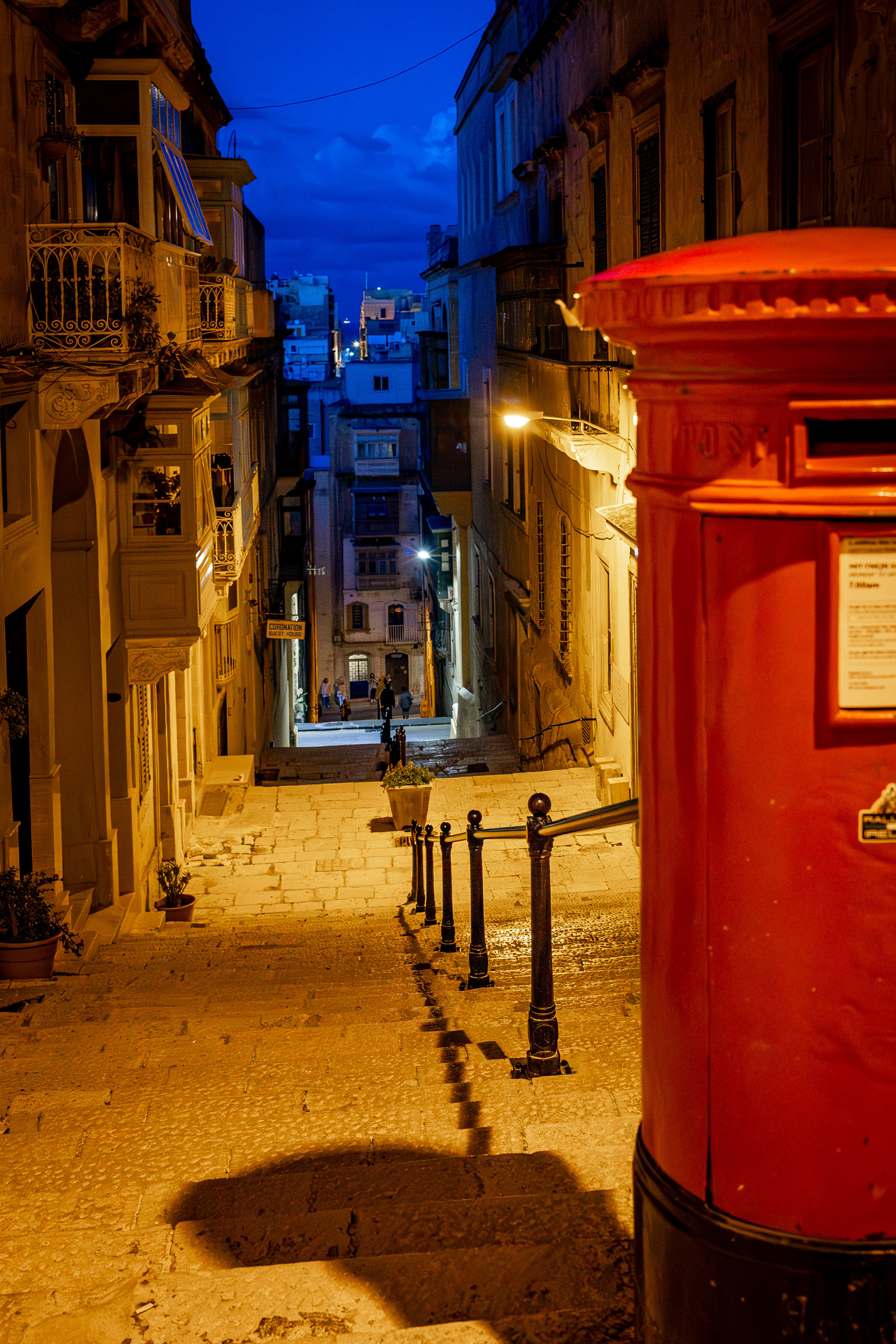
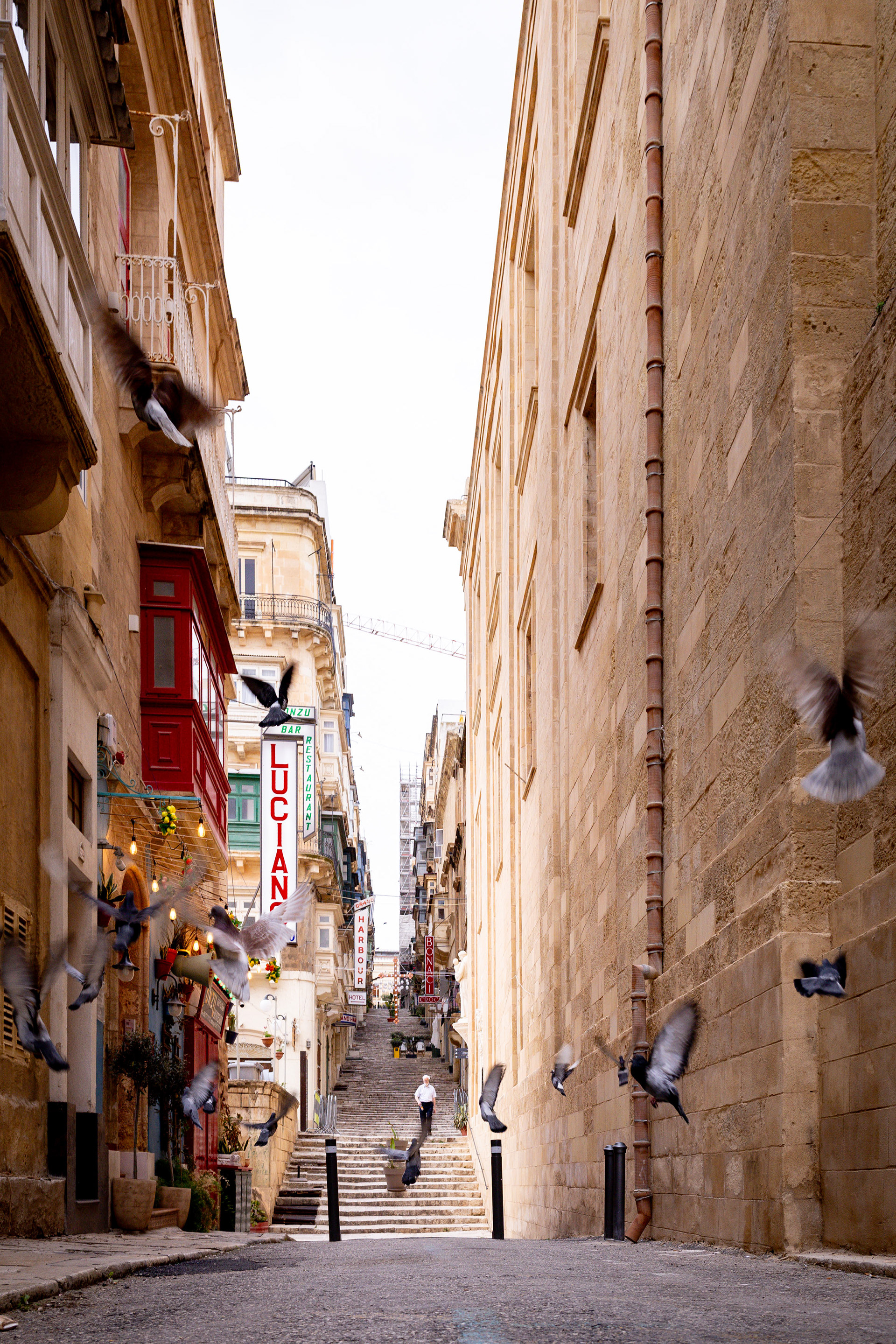
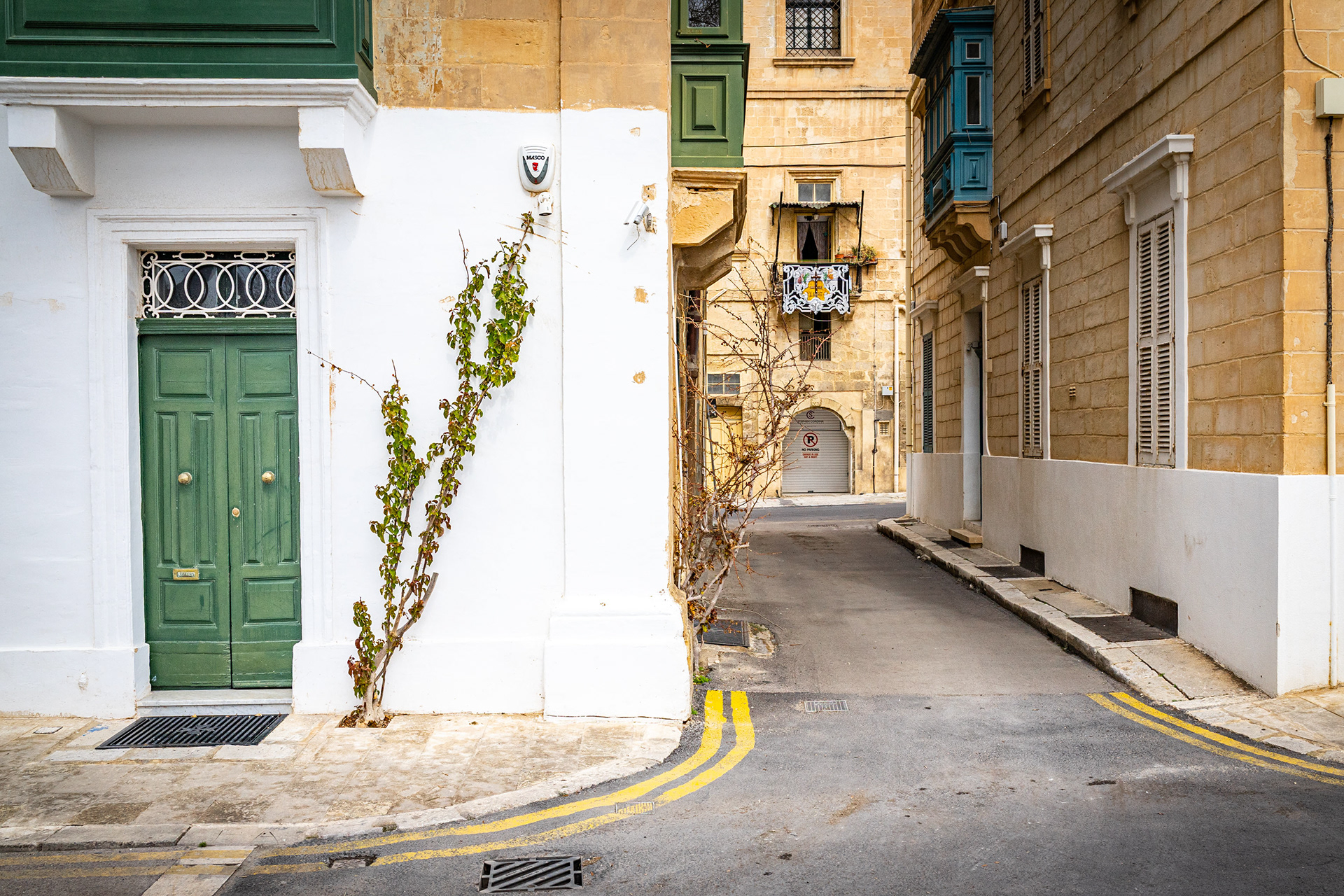
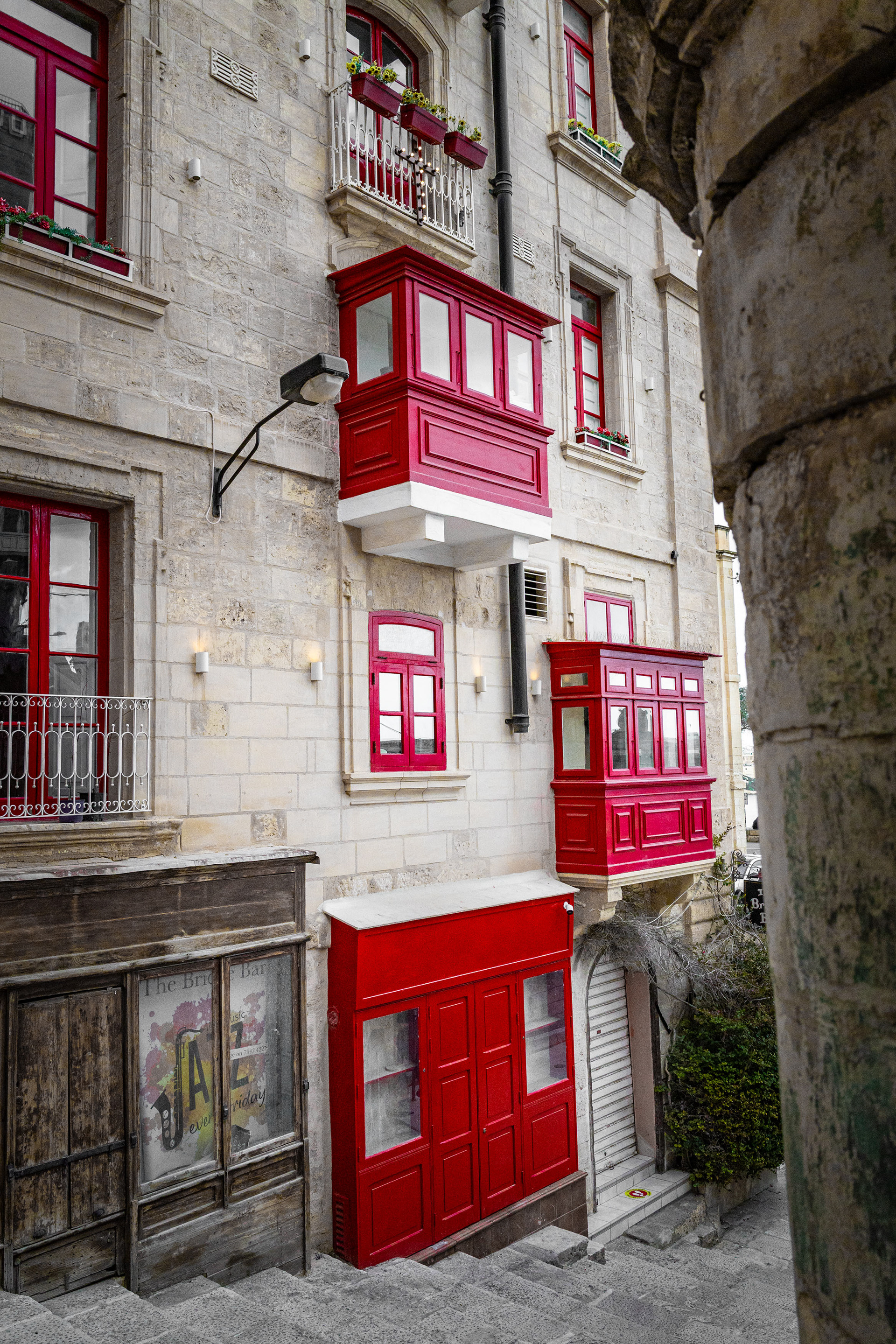
One of Malta's most recognizable architectural features is the enclosed wooden balcony. Originally influenced by Arab architecture and later adapted by the Knights and the British, these colorful balconies became a defining element of Maltese streetscapes.
PL:
Jednym z najbardziej charakterystycznych elementów architektury Malty są zabudowane drewniane balkony. Ich korzenie sięgają wpływów arabskich, później rozwijanych przez Joannitów i Brytyjczyków. Dziś kolorowe balkony są symbolem maltańskich ulic.
Jednym z najbardziej charakterystycznych elementów architektury Malty są zabudowane drewniane balkony. Ich korzenie sięgają wpływów arabskich, później rozwijanych przez Joannitów i Brytyjczyków. Dziś kolorowe balkony są symbolem maltańskich ulic.
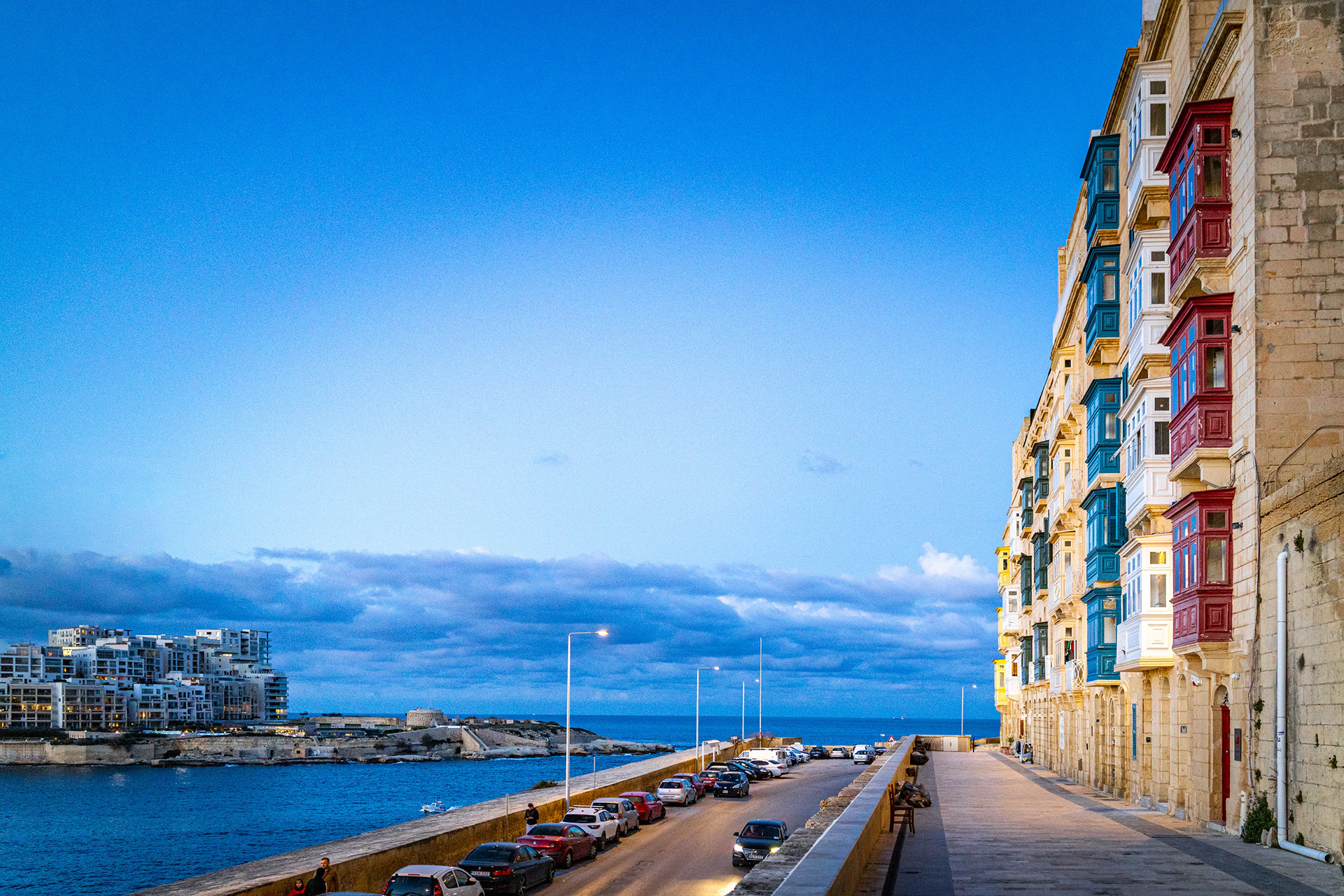
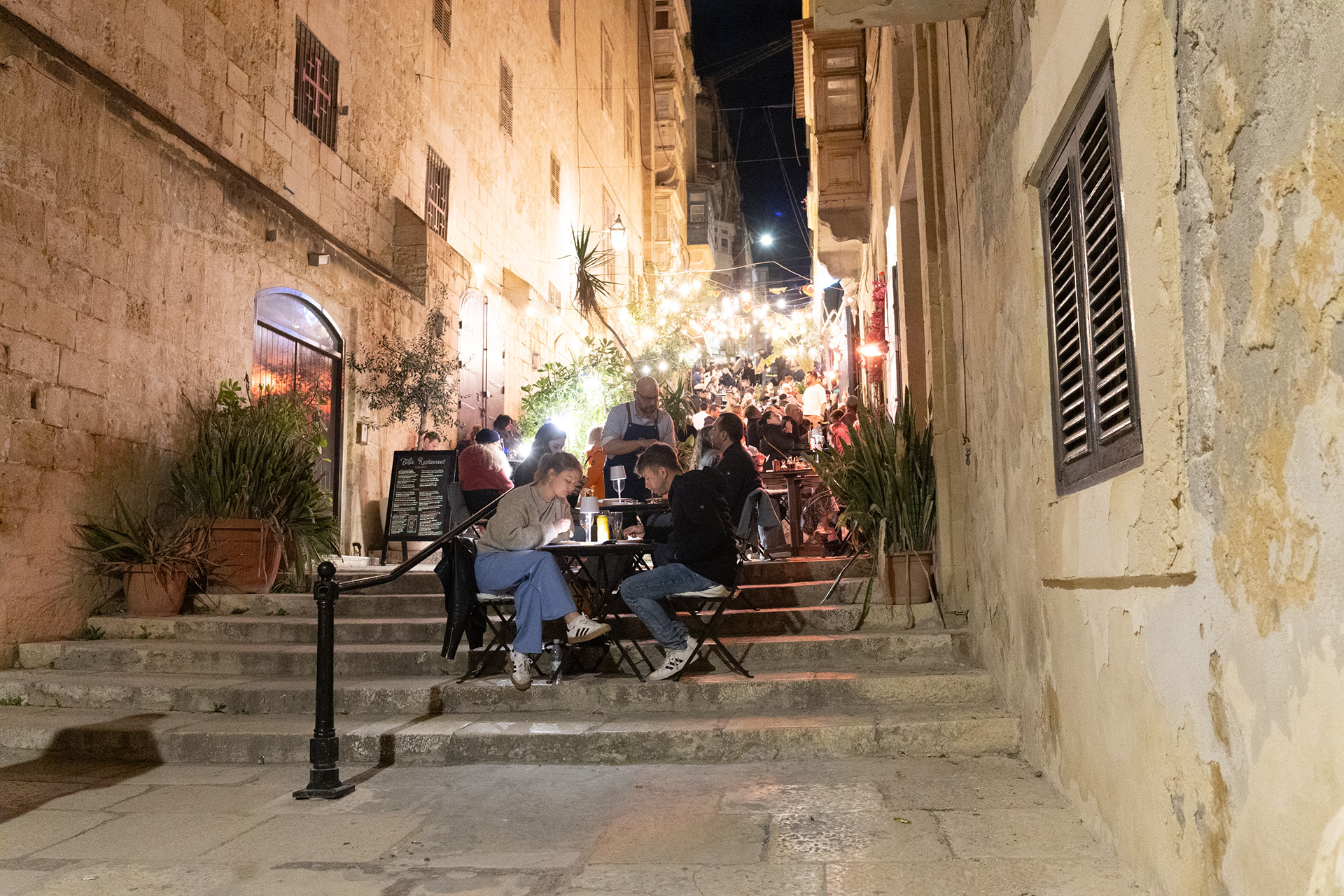
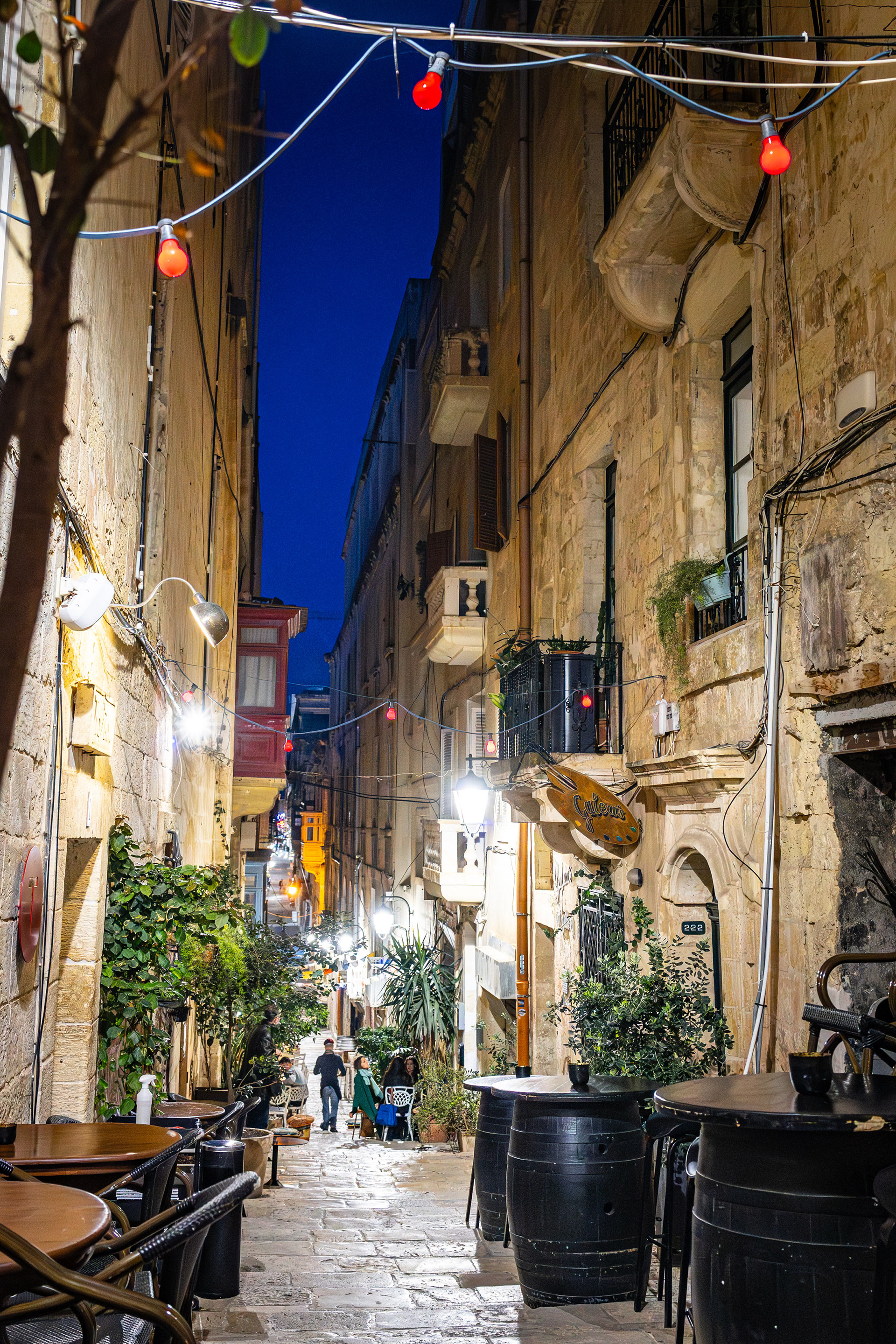
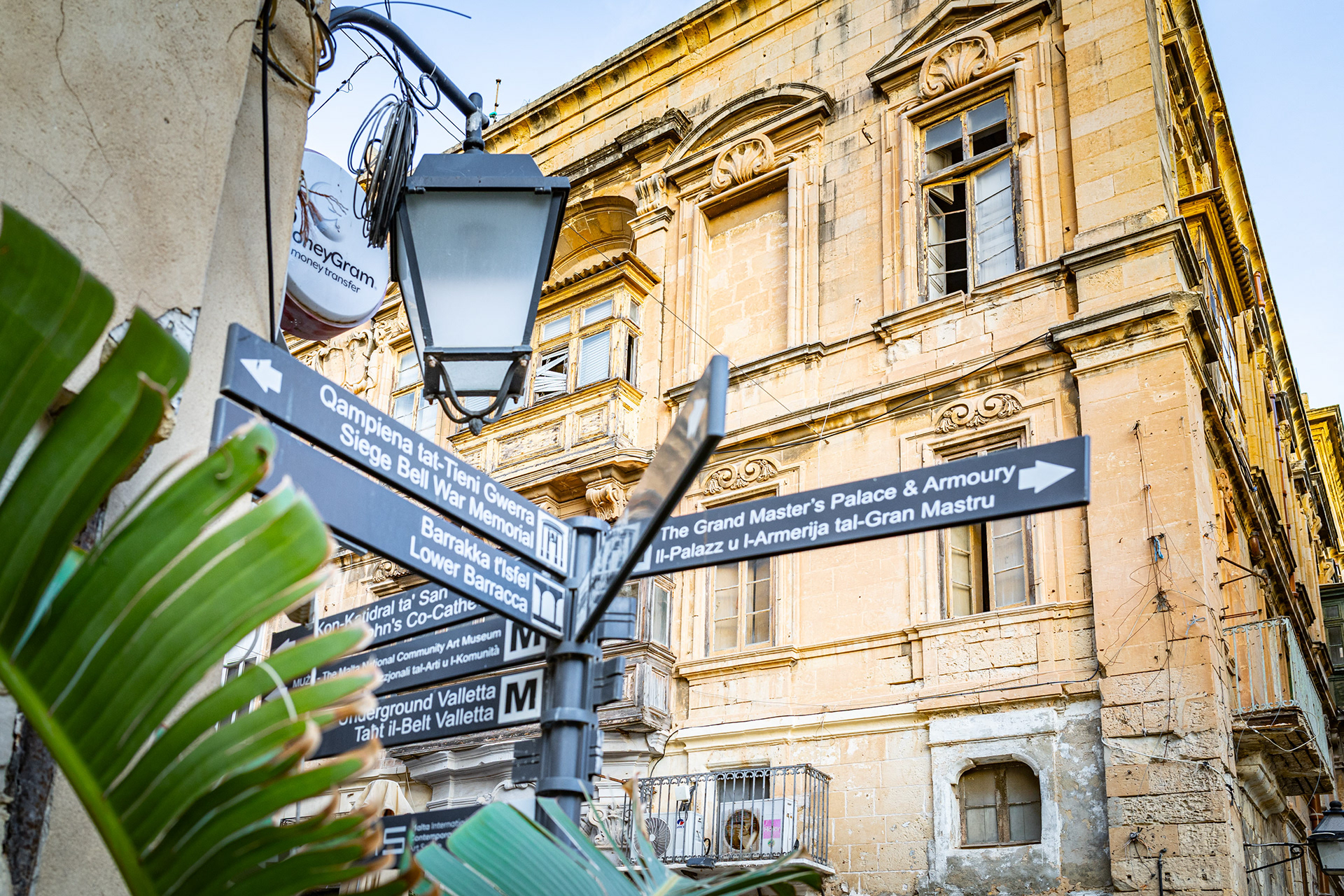
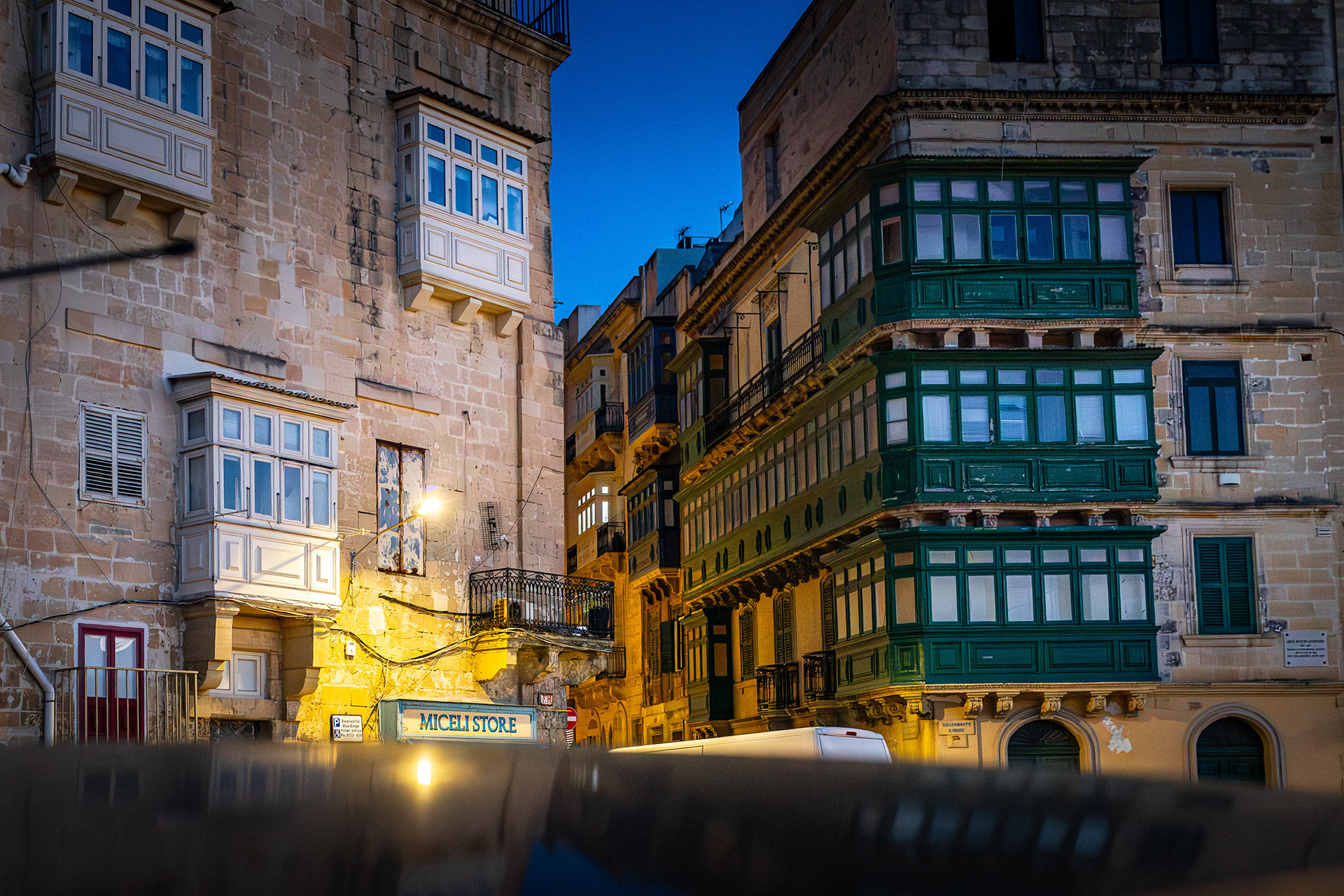
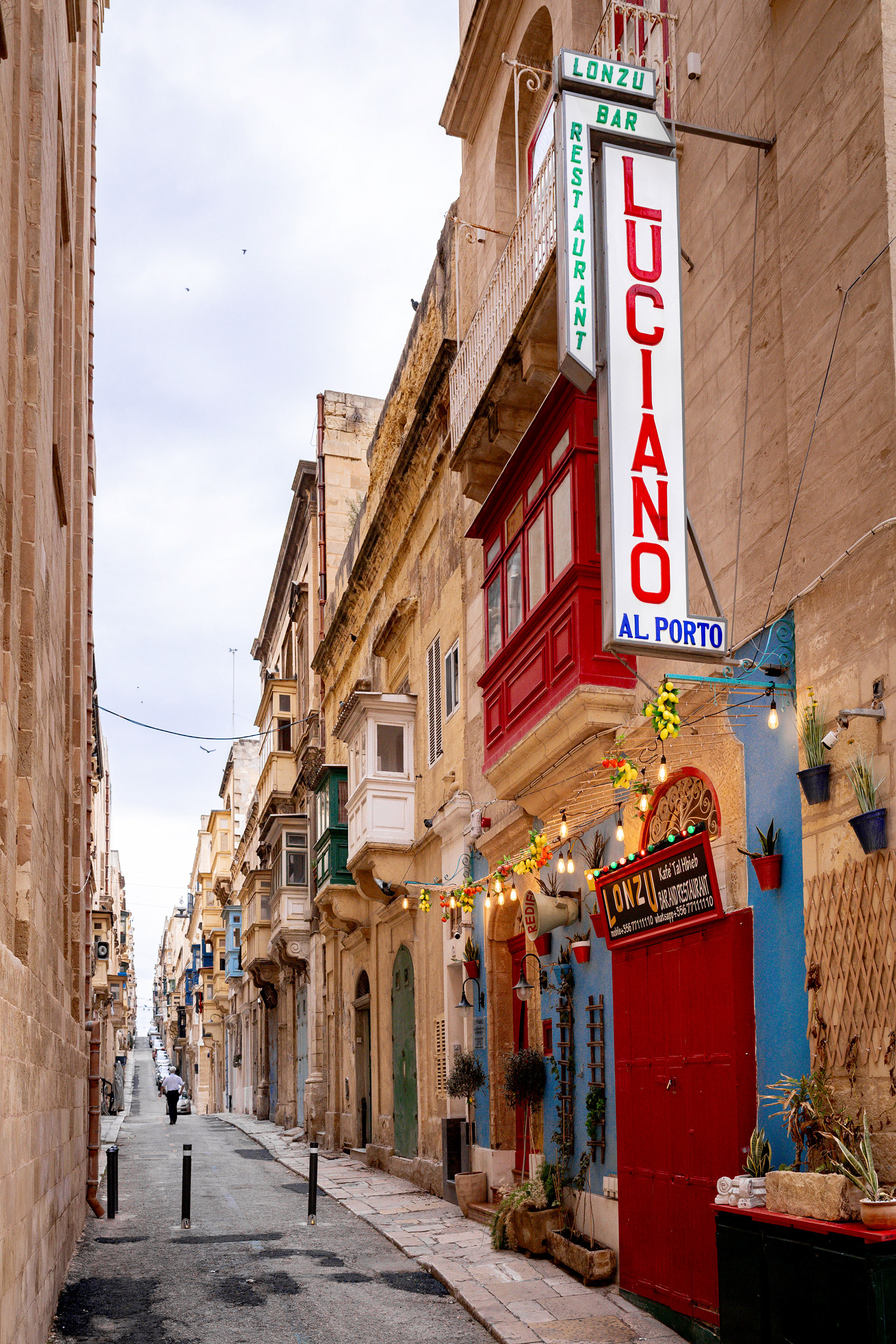
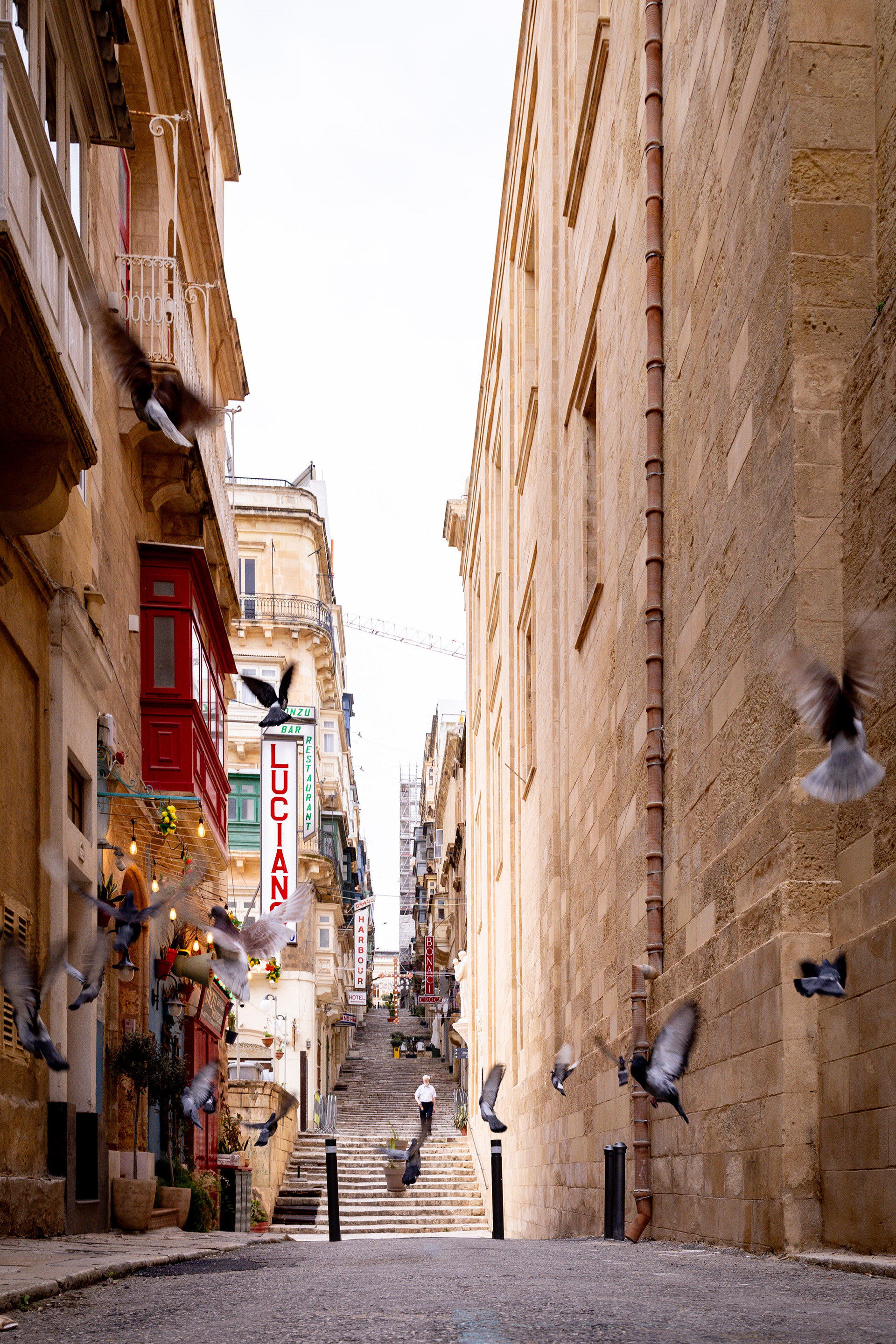
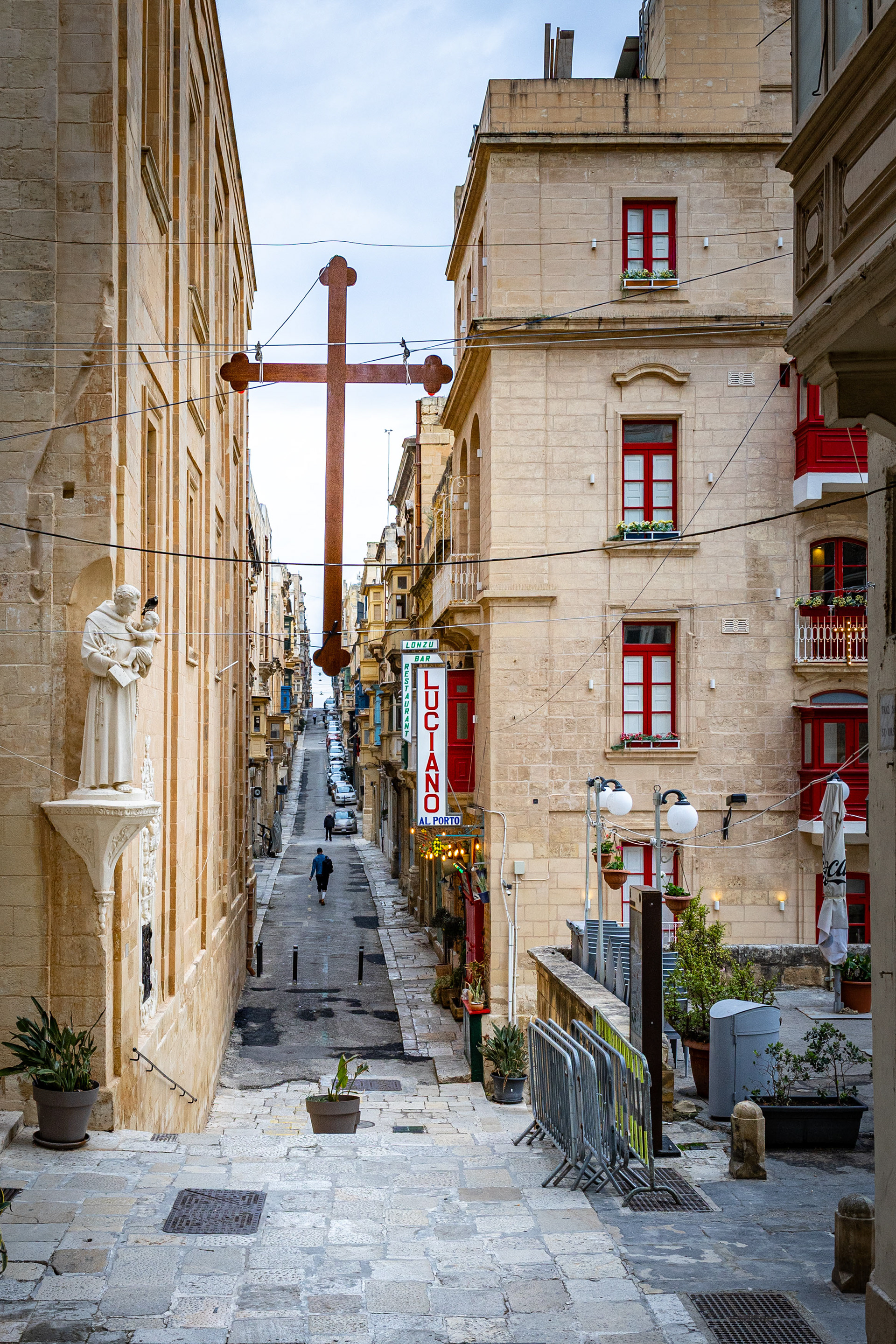
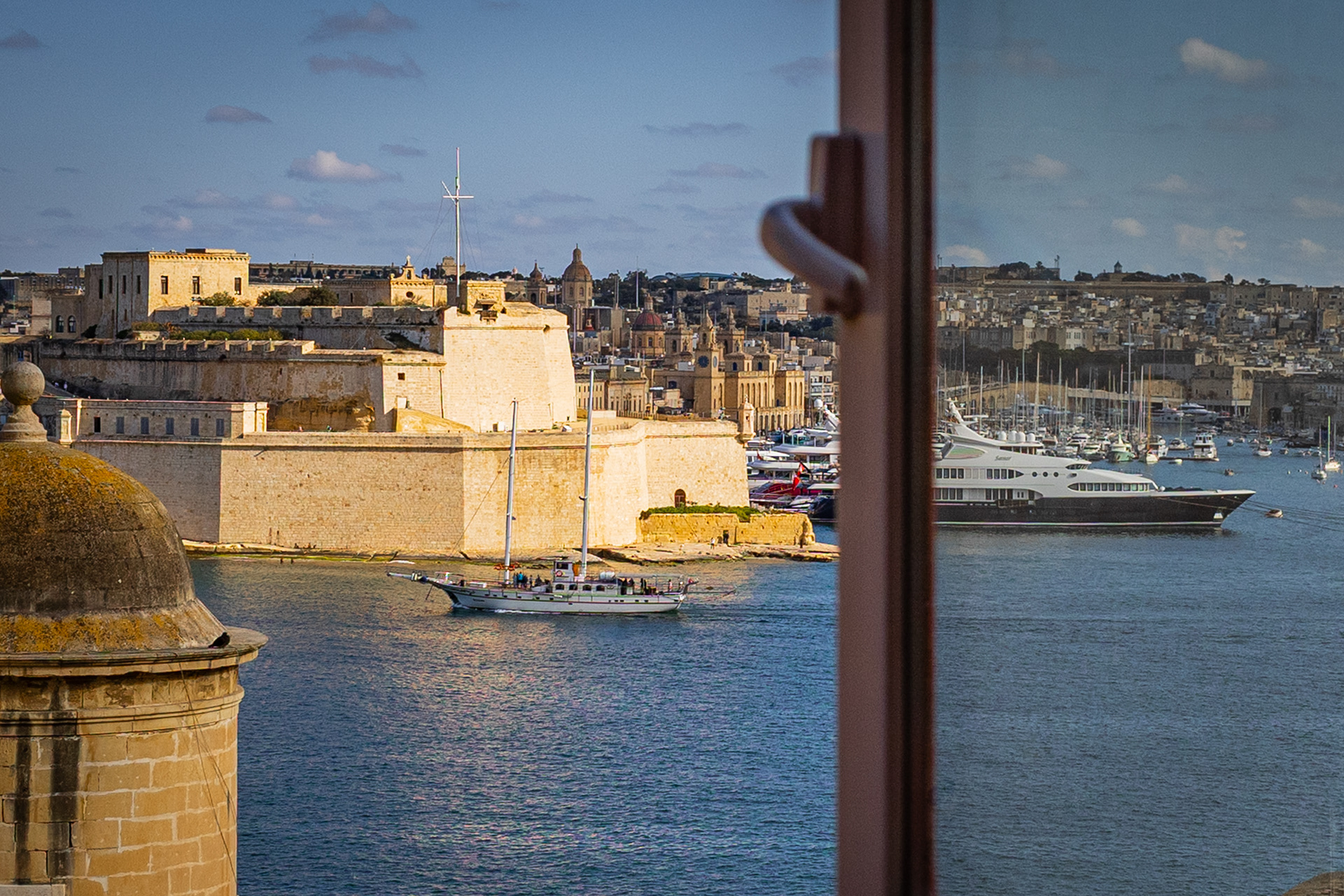
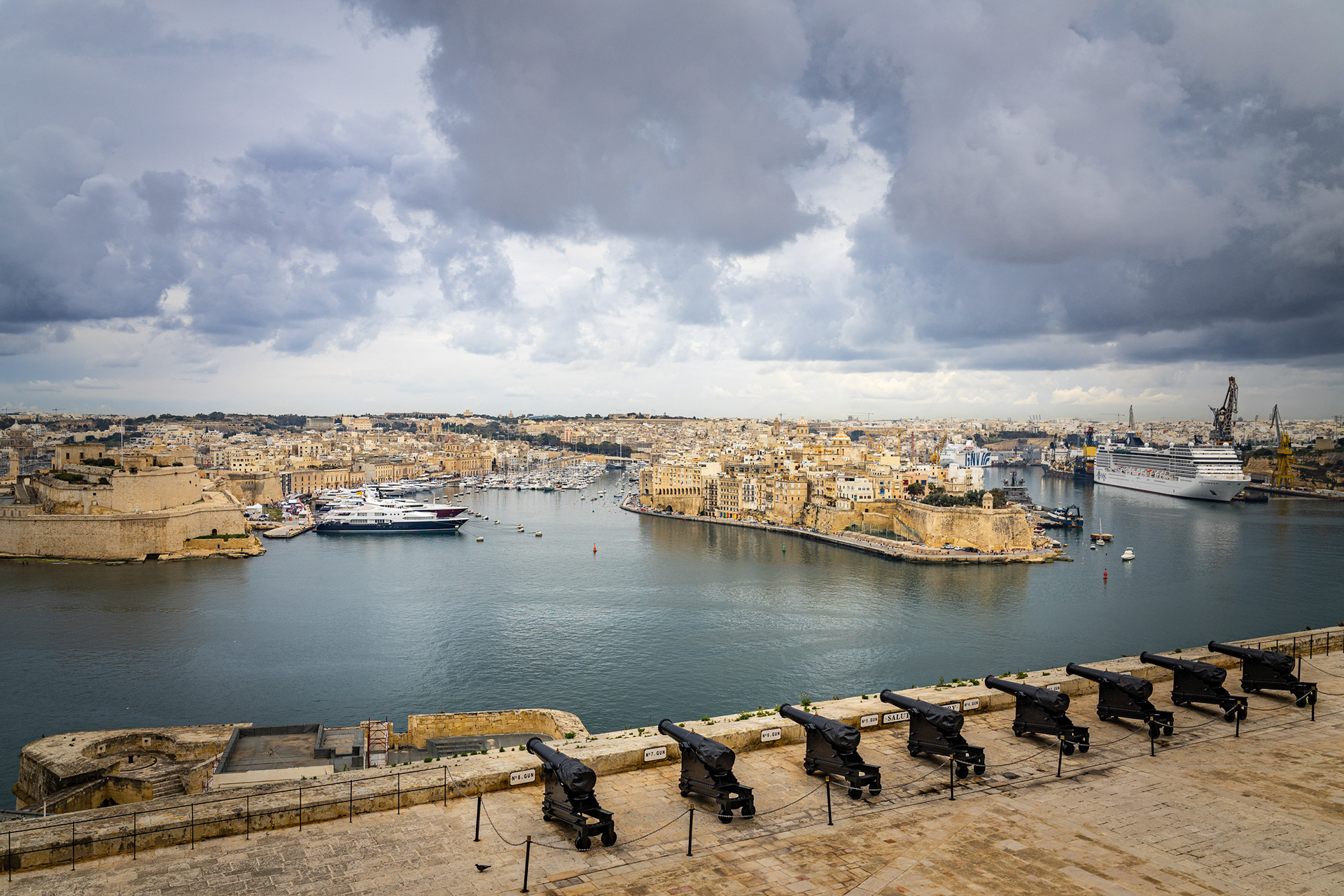
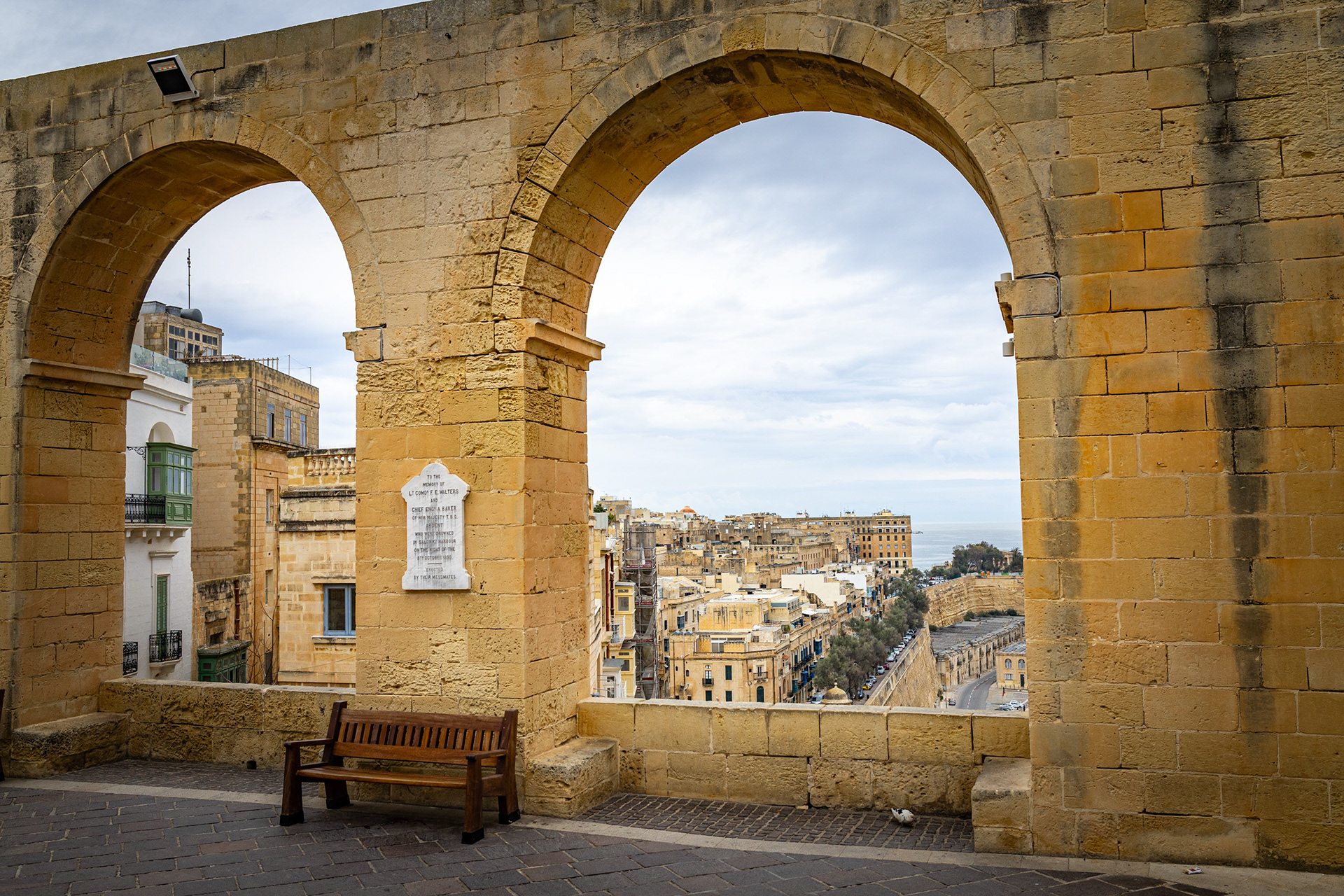
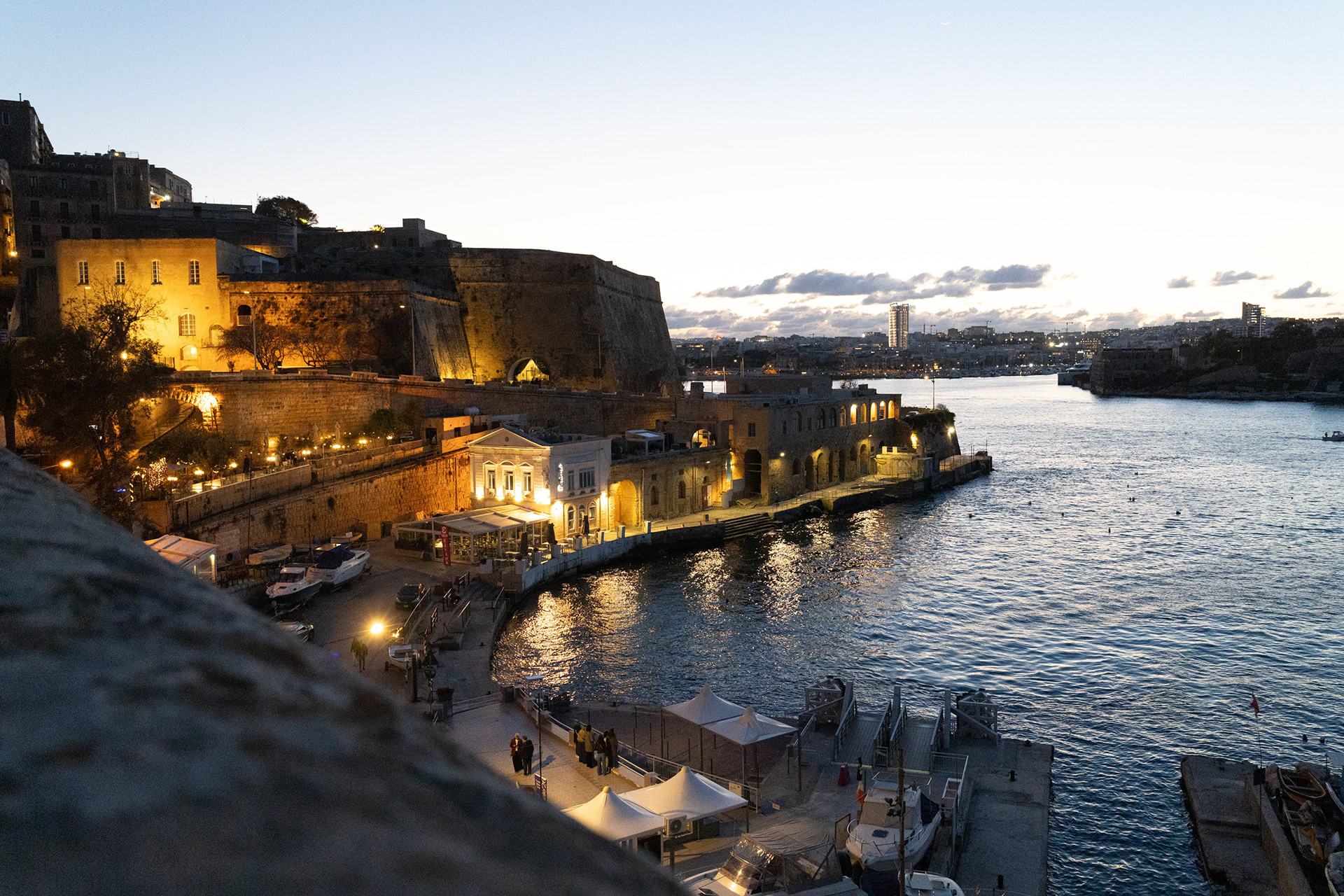
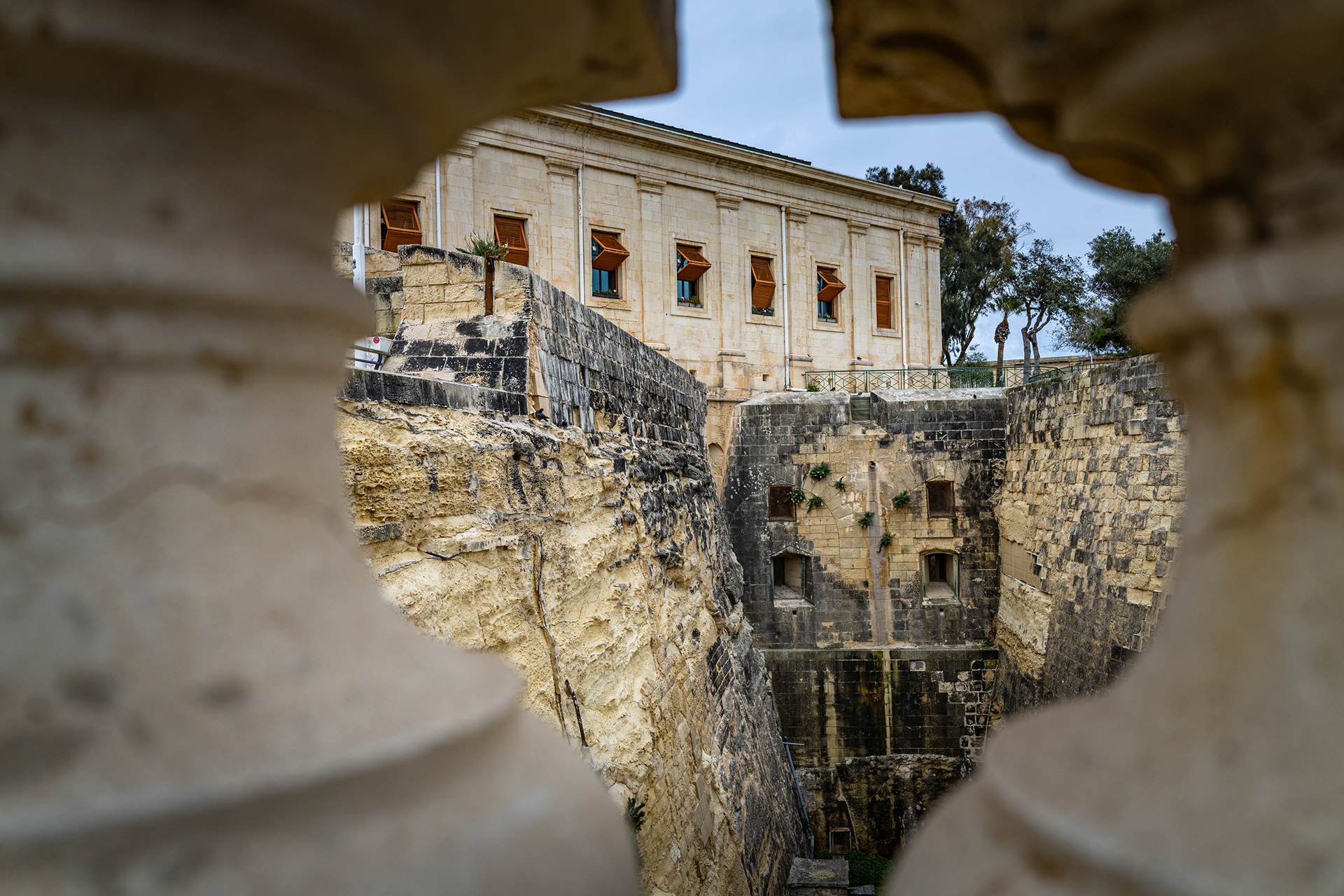
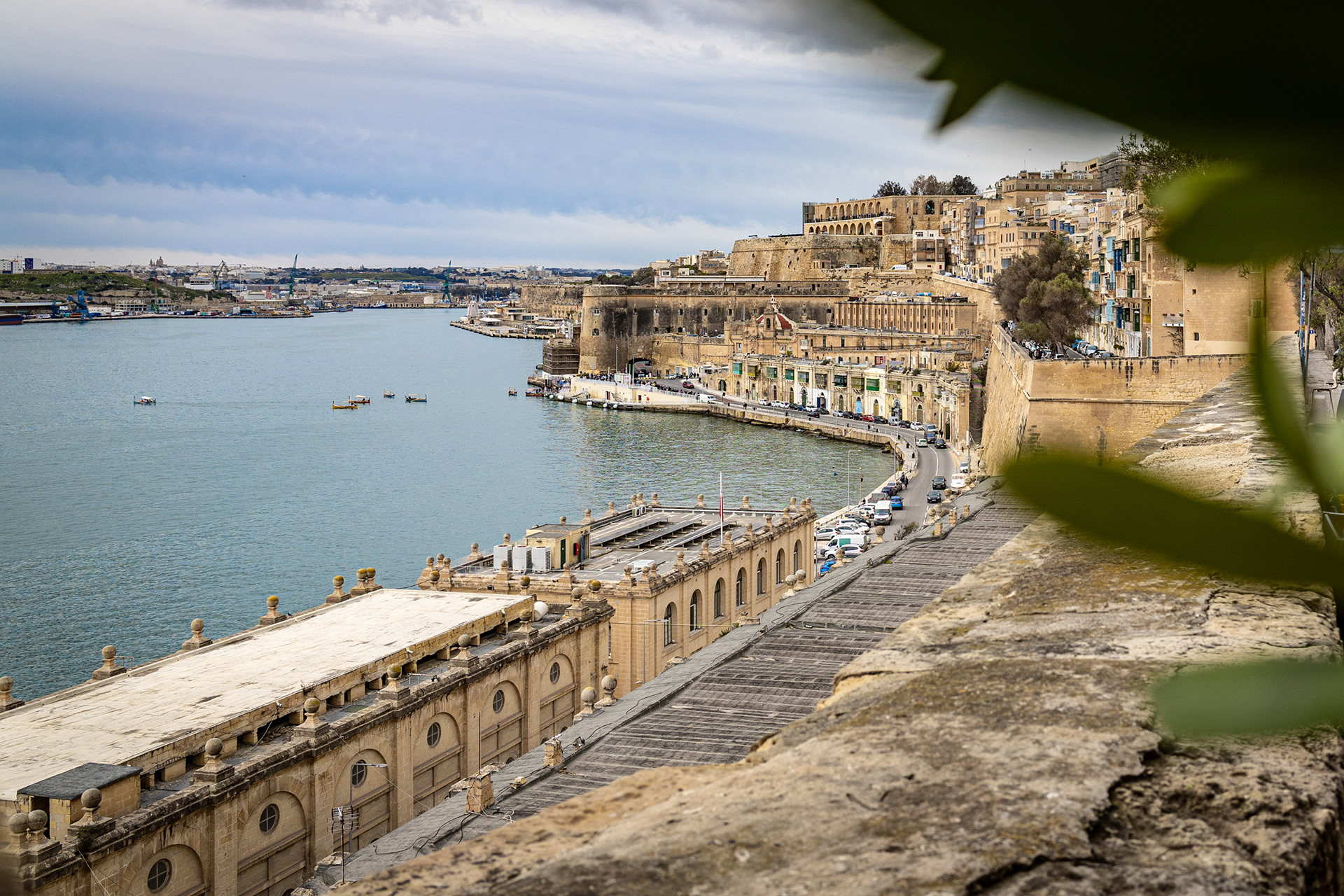
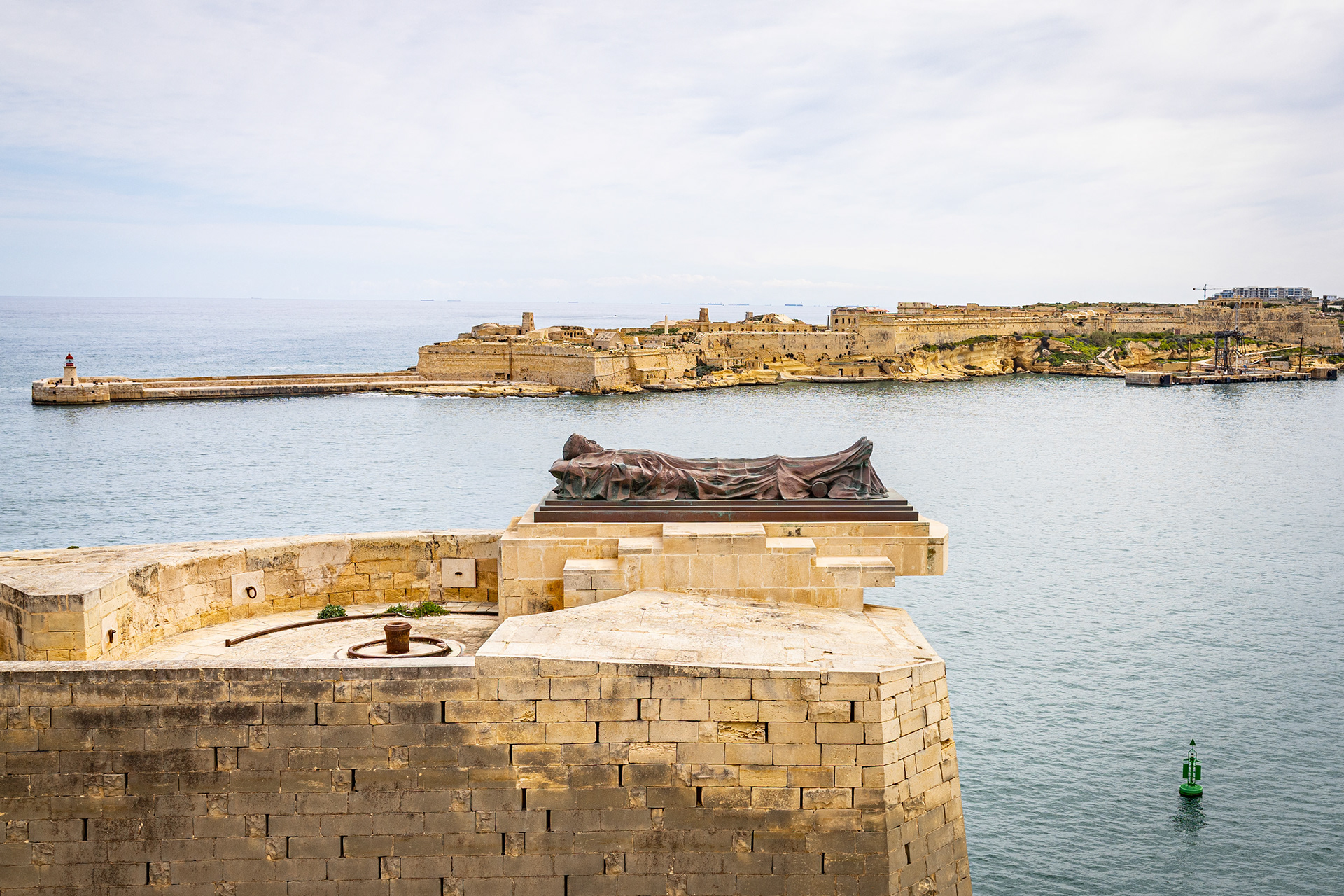
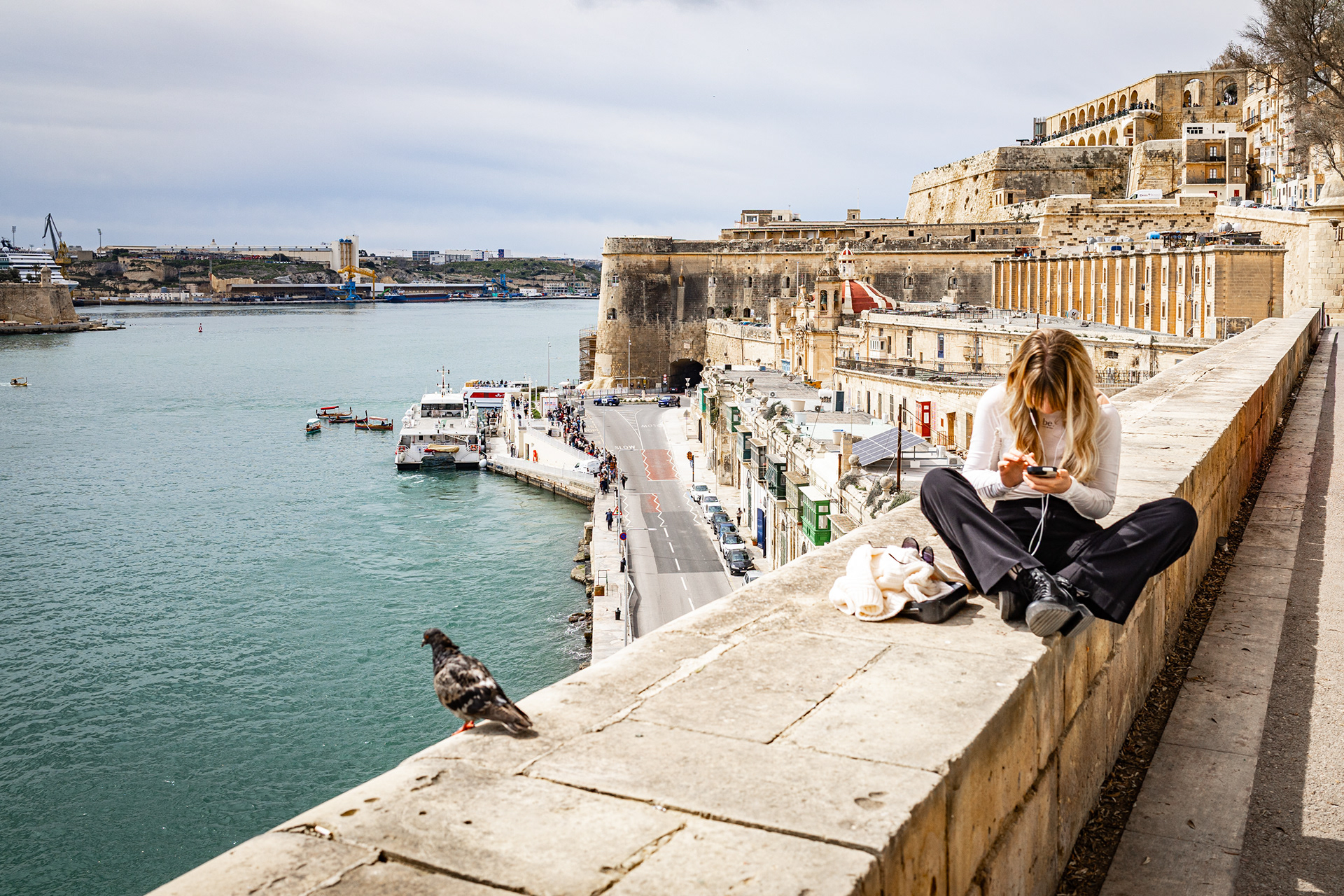
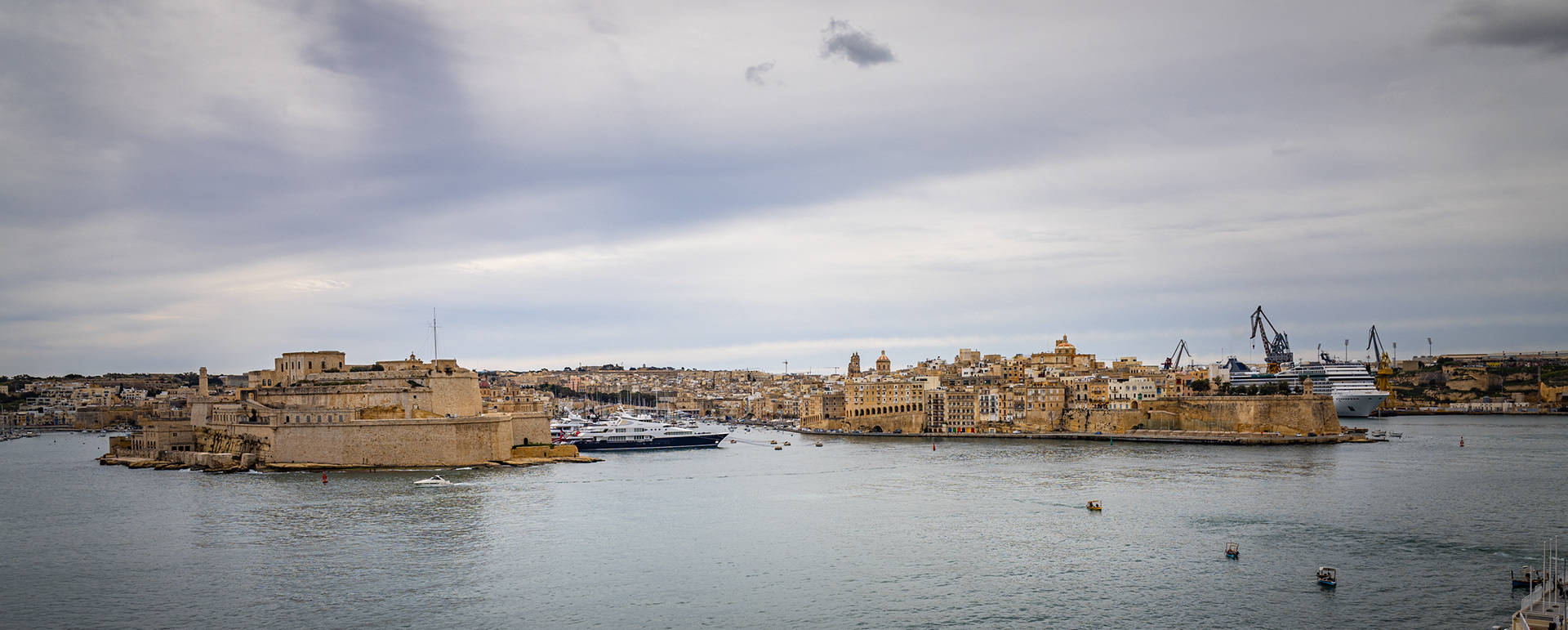
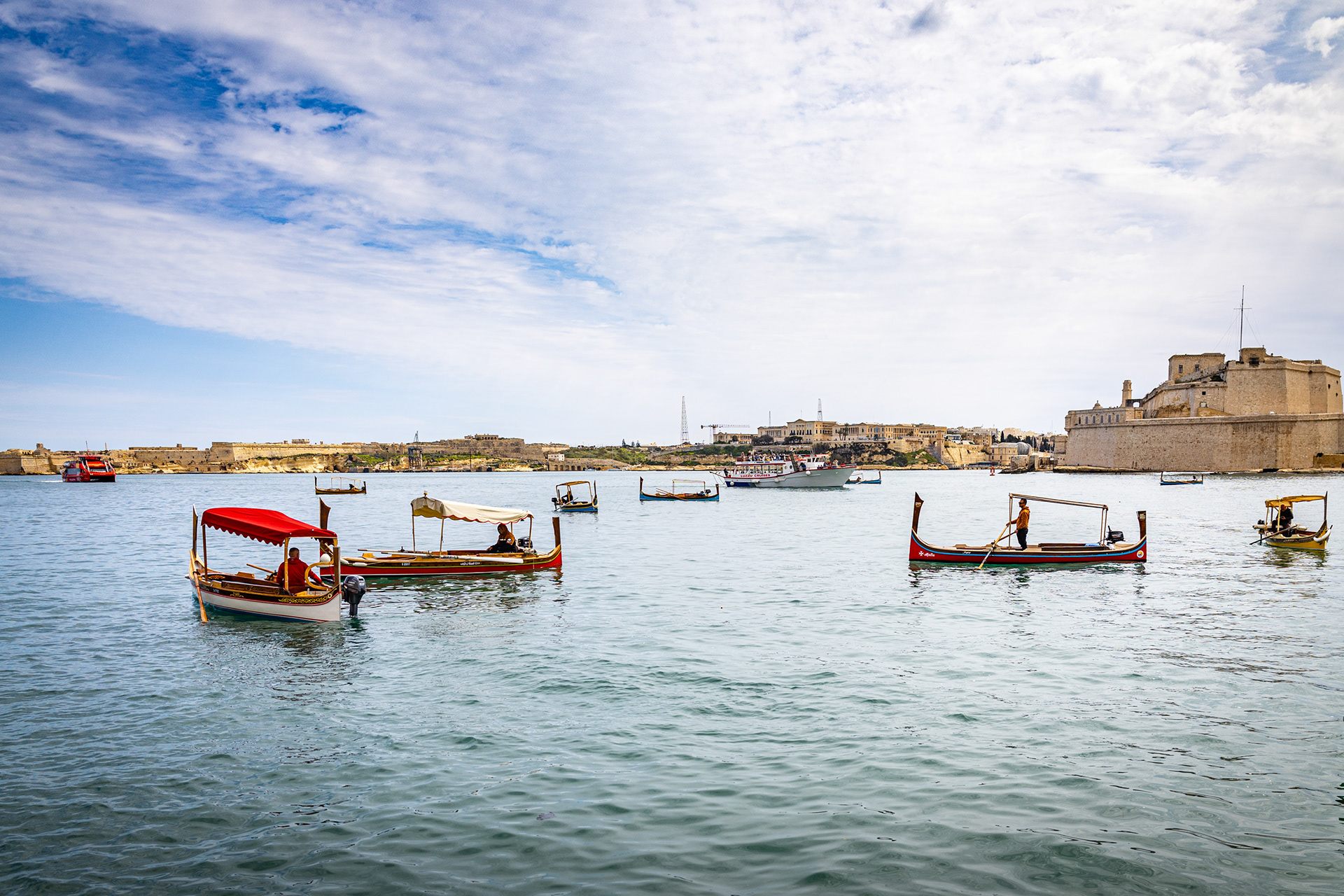
Because of its strategic location in the Mediterranean, Malta became one of Europe's most heavily fortified places. Massive bastions, forts and defensive walls still dominate the skyline of Valletta and the surrounding harbor cities.
PL:
Ze względu na strategiczne położenie Malta stała się jednym z najlepiej ufortyfikowanych miejsc Europy. Potężne bastiony, forty i mury obronne do dziś dominują nad panoramą Valletty i okolicznych miast portowych.
Ze względu na strategiczne położenie Malta stała się jednym z najlepiej ufortyfikowanych miejsc Europy. Potężne bastiony, forty i mury obronne do dziś dominują nad panoramą Valletty i okolicznych miast portowych.
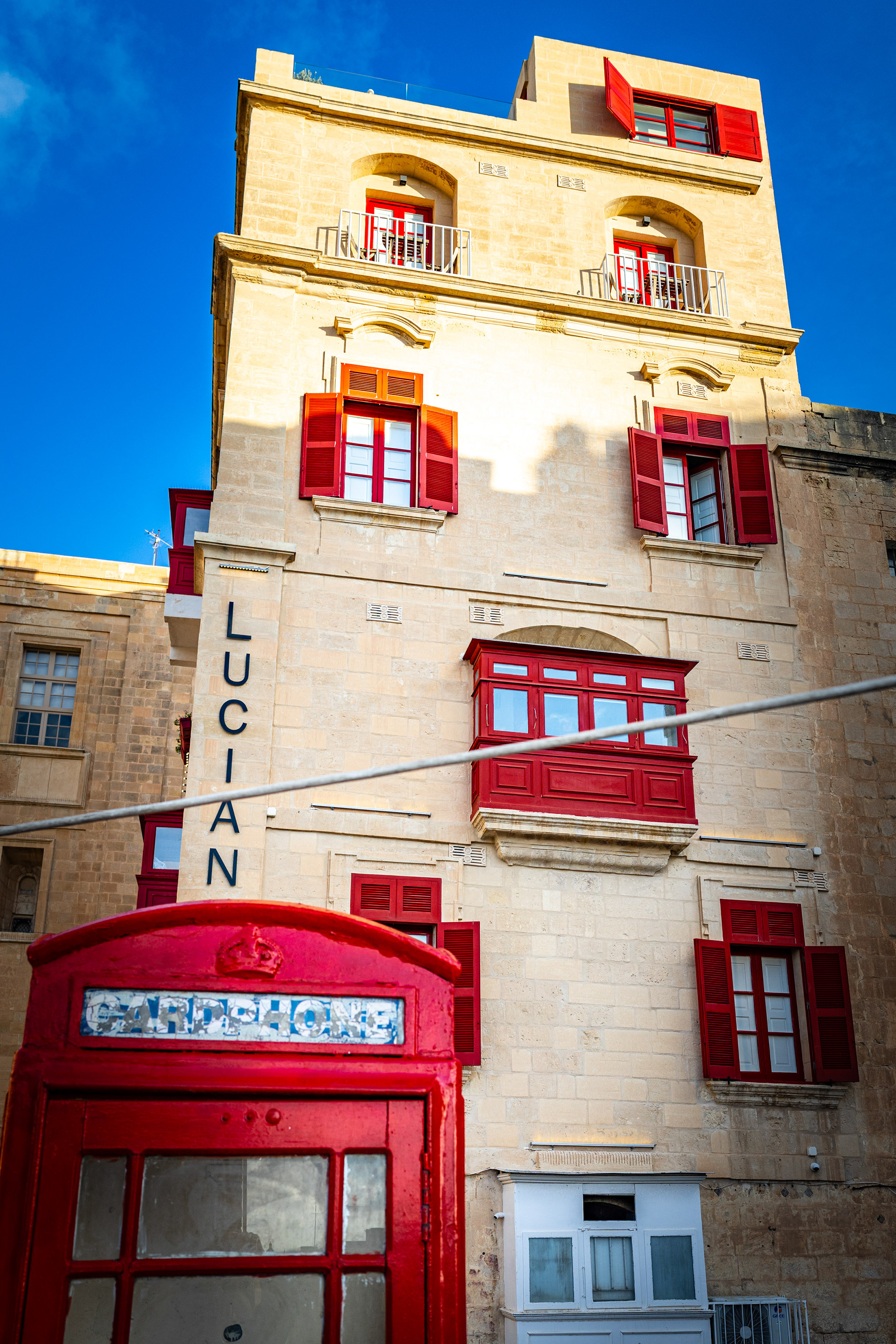
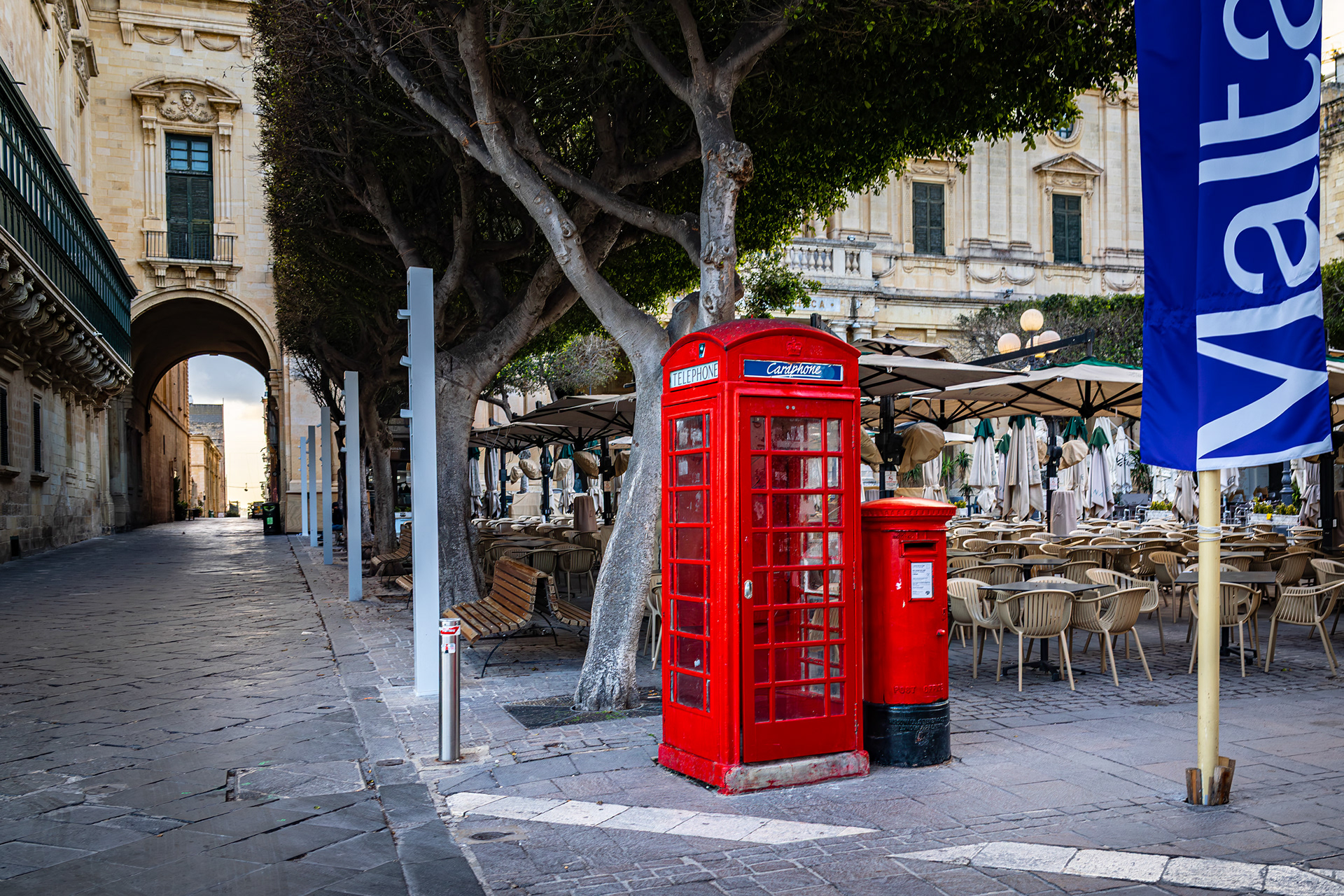
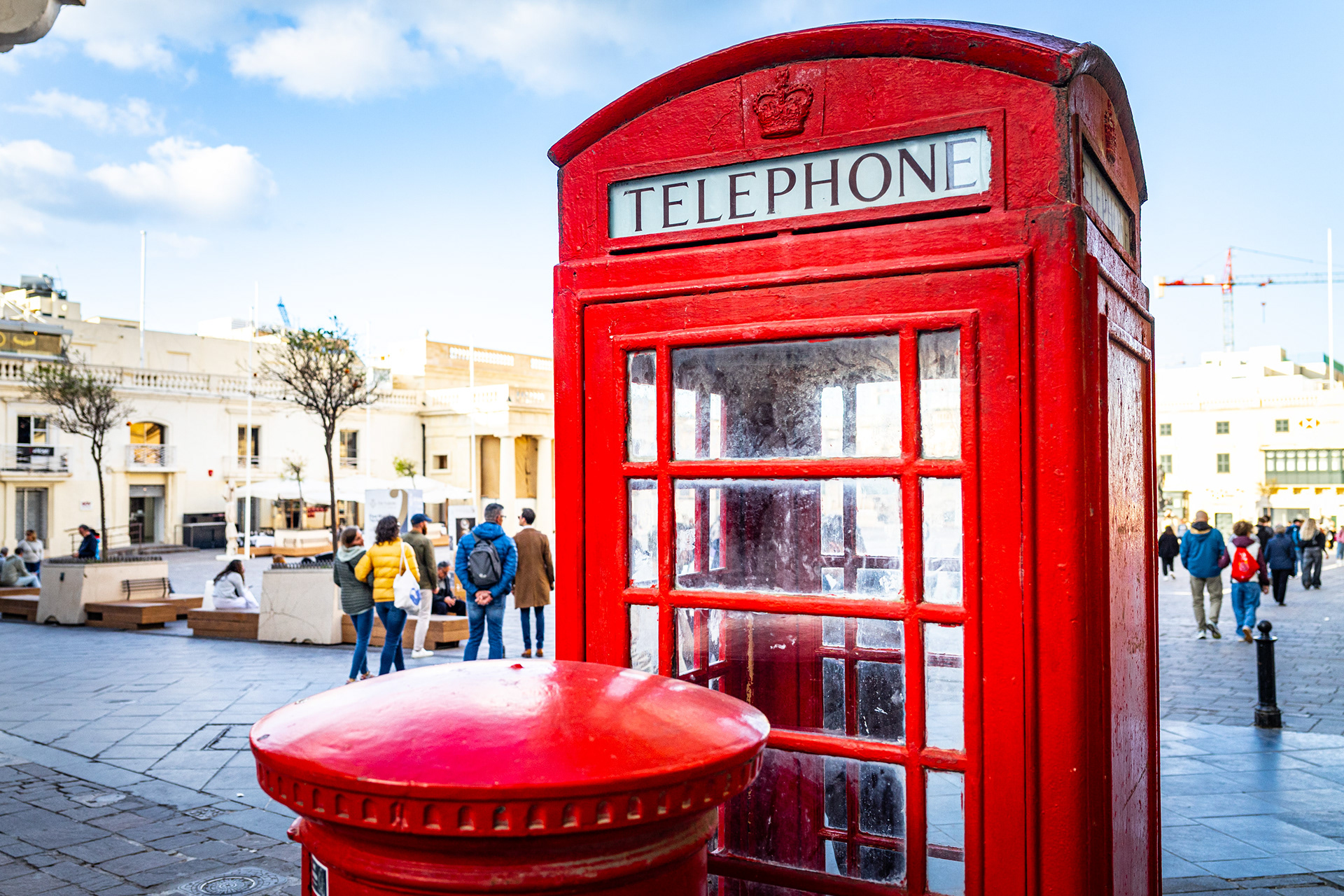
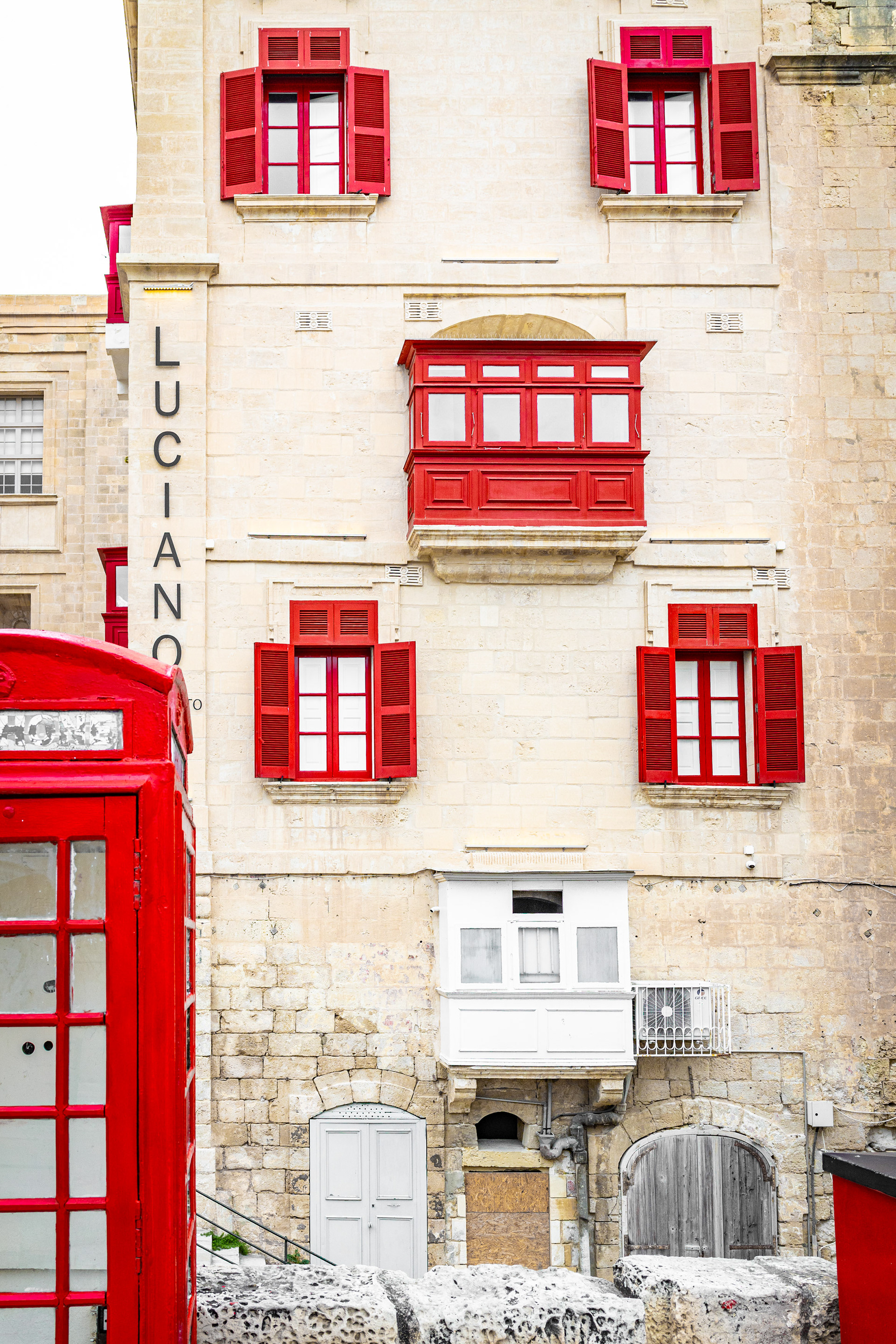
Although Malta gained independence in 1964, British influence remains visible everywhere. English is an official language, cars drive on the left, and iconic red telephone boxes can still be found in some parts of the islands.
PL:
Choć Malta uzyskała niepodległość w 1964 roku, brytyjskie wpływy są widoczne niemal wszędzie. Angielski jest językiem urzędowym, obowiązuje ruch lewostronny, a w wielu miejscach można spotkać charakterystyczne czerwone budki telefoniczne.
Choć Malta uzyskała niepodległość w 1964 roku, brytyjskie wpływy są widoczne niemal wszędzie. Angielski jest językiem urzędowym, obowiązuje ruch lewostronny, a w wielu miejscach można spotkać charakterystyczne czerwone budki telefoniczne.
Because of its strategic location in the Mediterranean, Malta became one of Europe's most heavily fortified places. Massive bastions, forts and defensive walls still dominate the skyline of Valletta and the surrounding harbor cities.
PL:
Ze względu na strategiczne położenie Malta stała się jednym z najlepiej ufortyfikowanych miejsc Europy. Potężne bastiony, forty i mury obronne do dziś dominują nad panoramą Valletty i okolicznych miast portowych.
Ze względu na strategiczne położenie Malta stała się jednym z najlepiej ufortyfikowanych miejsc Europy. Potężne bastiony, forty i mury obronne do dziś dominują nad panoramą Valletty i okolicznych miast portowych.
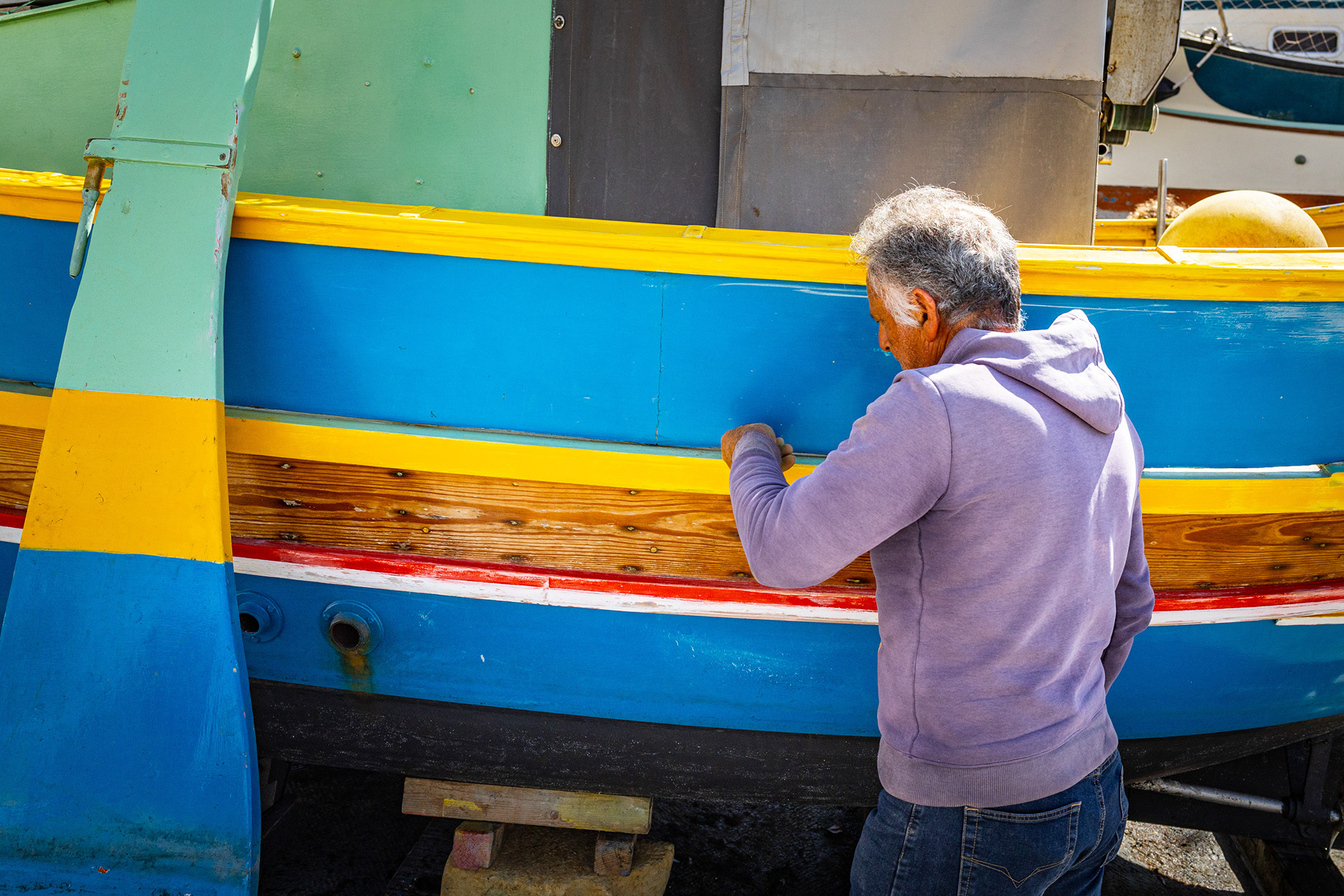
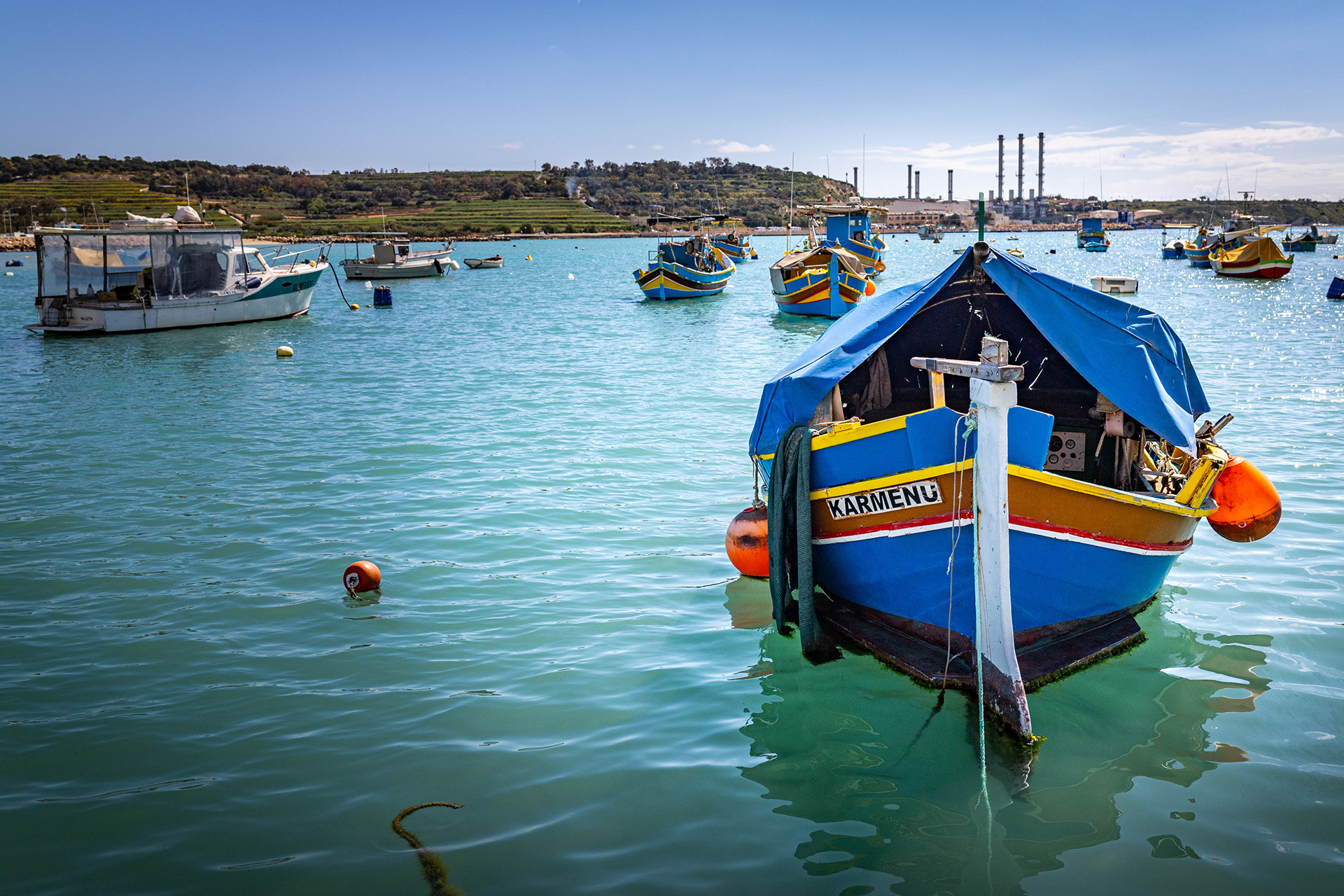
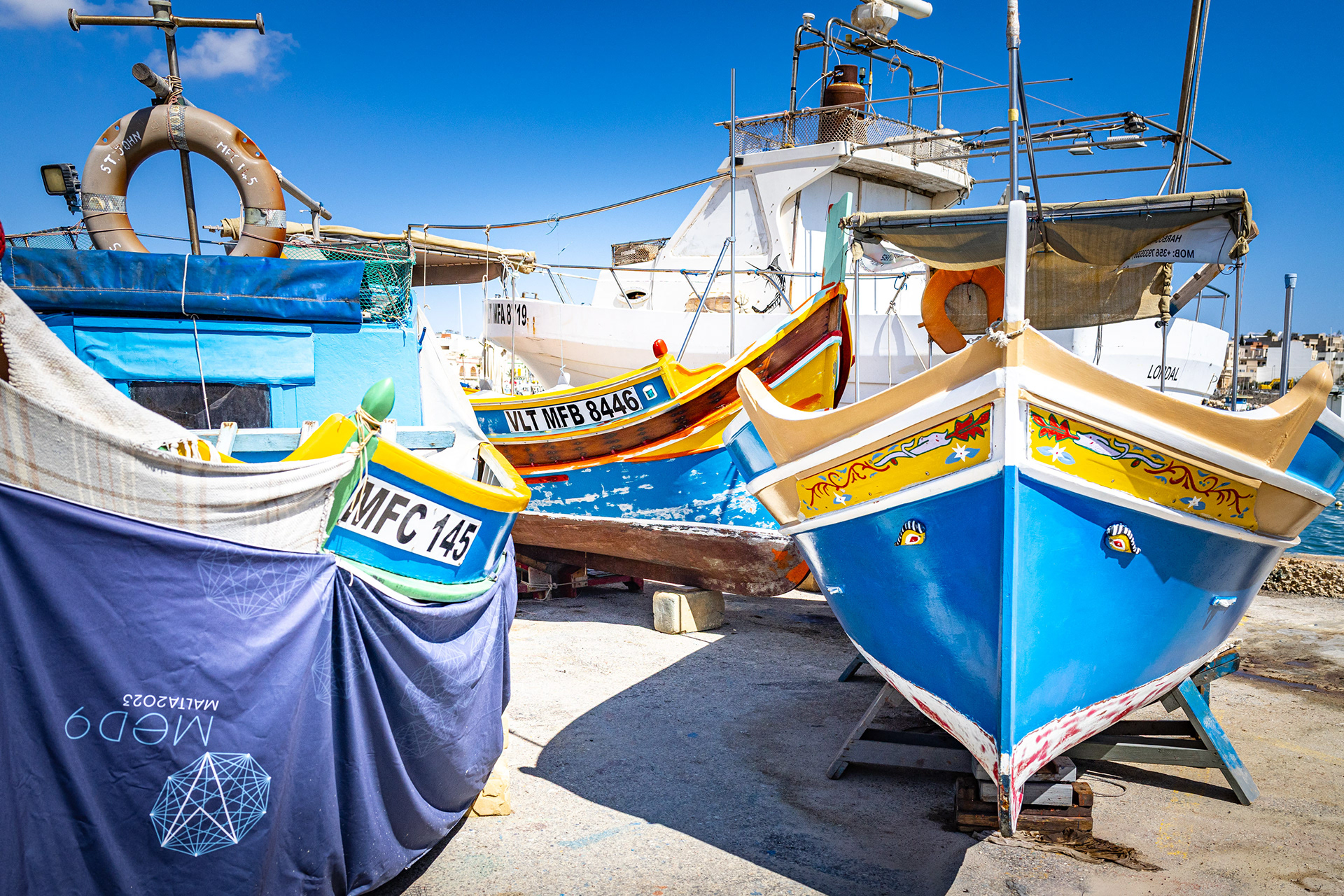
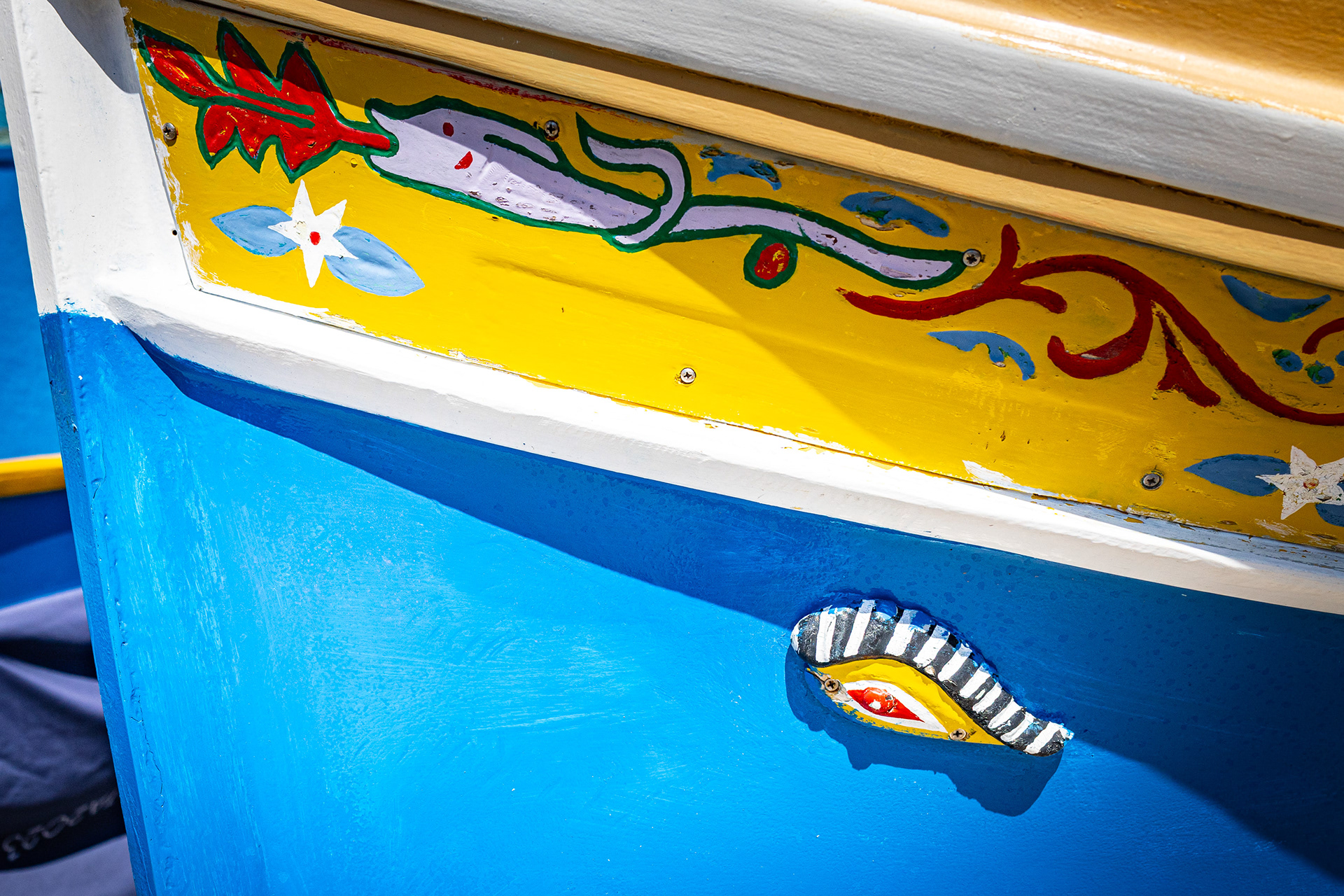
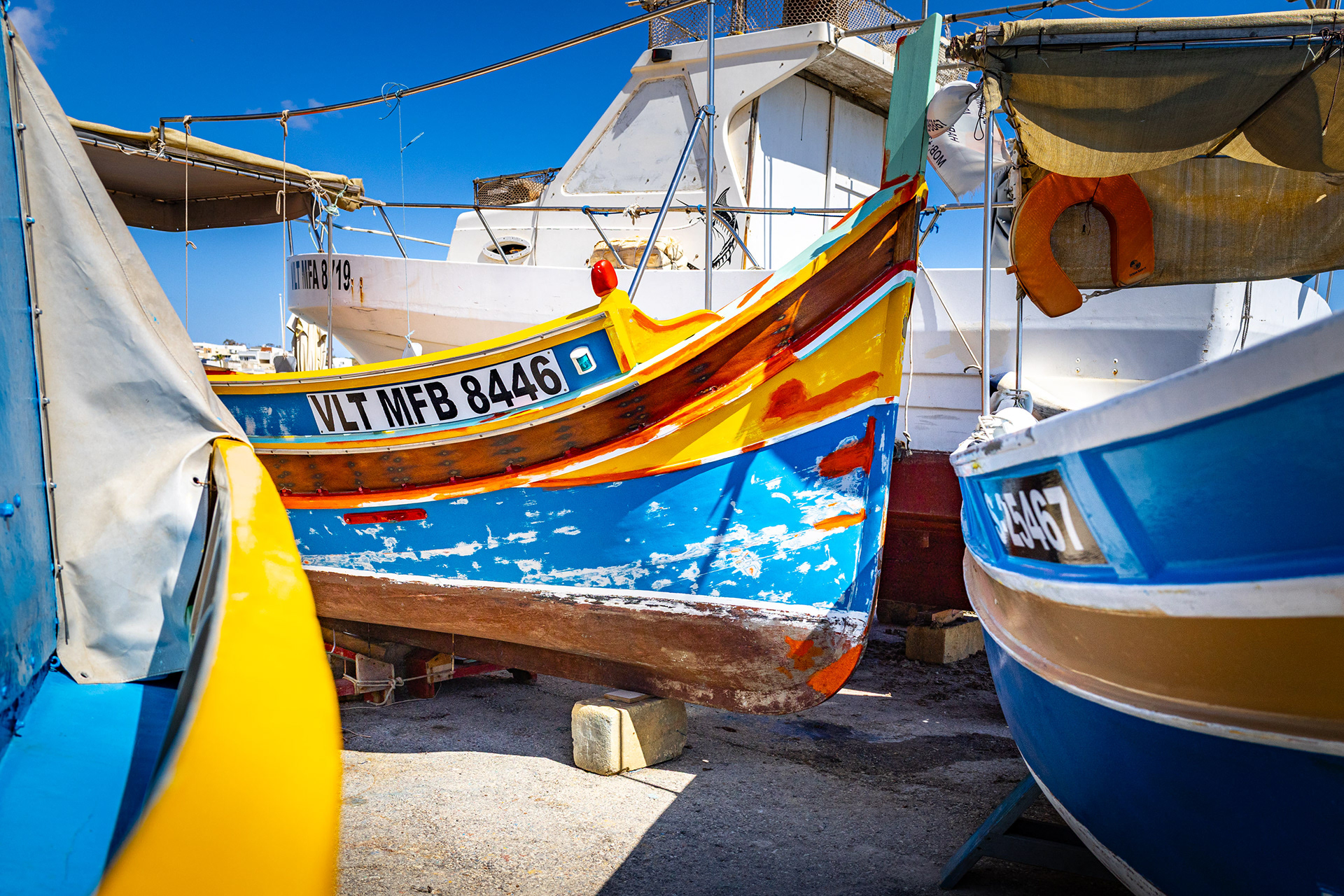
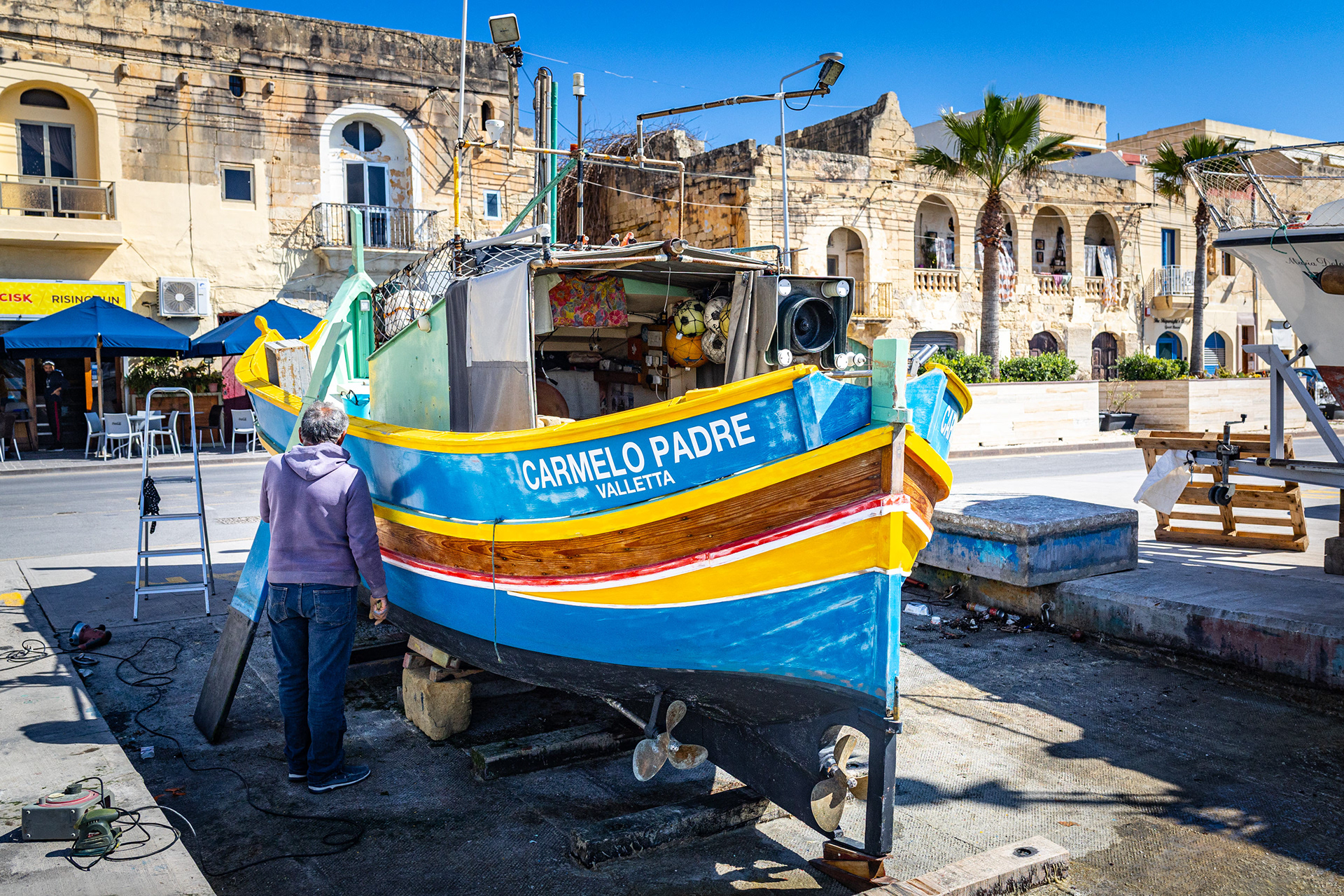
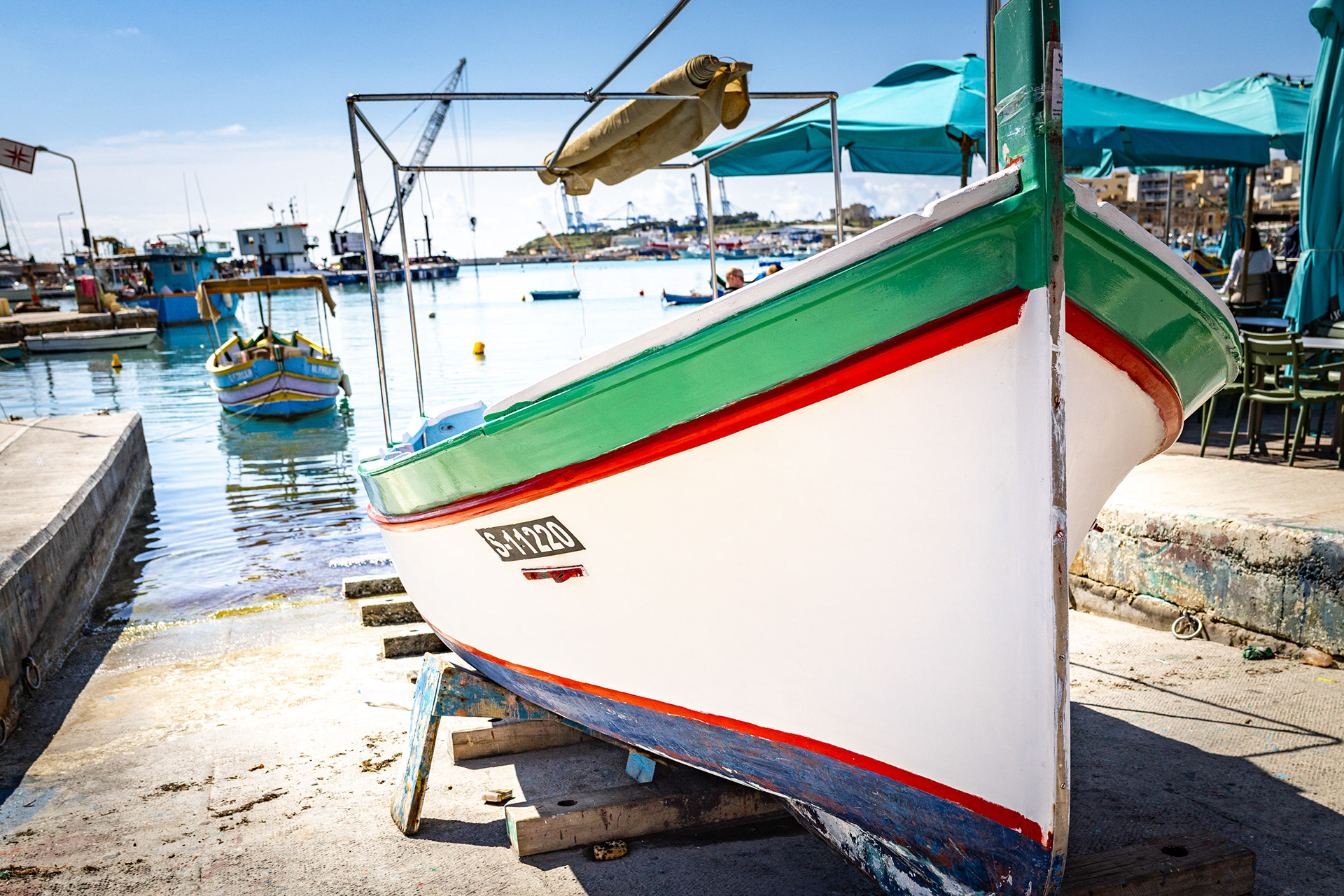
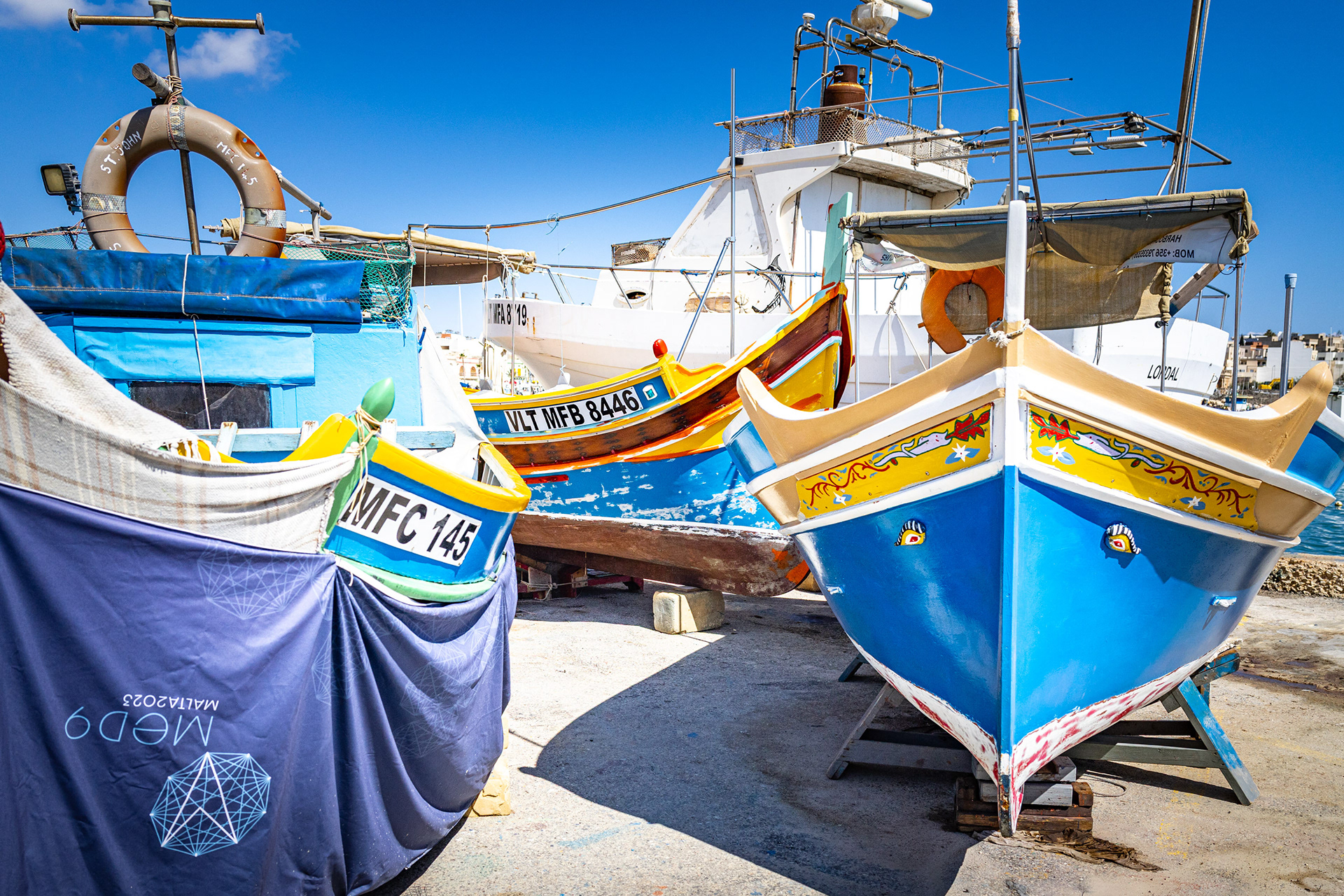
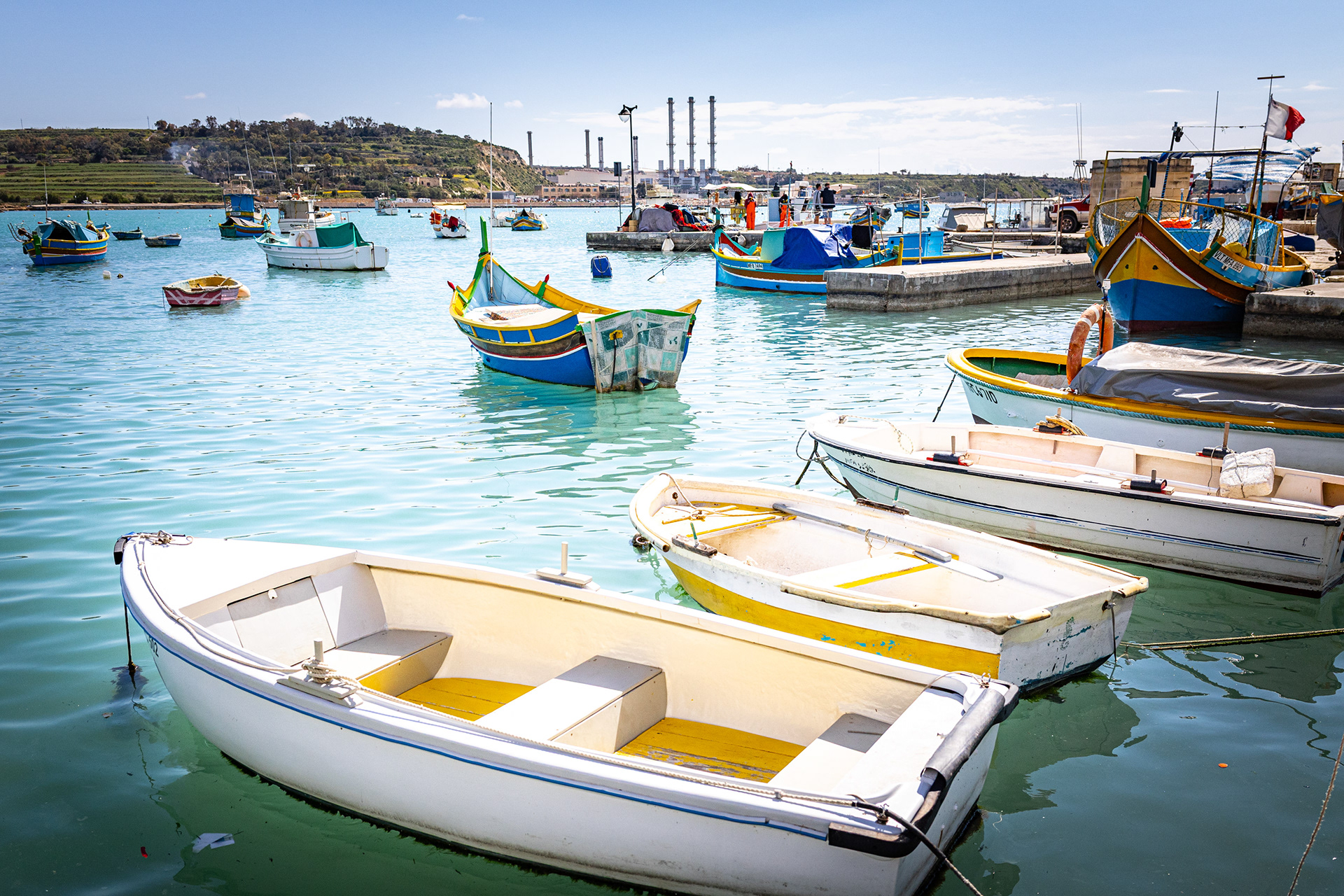
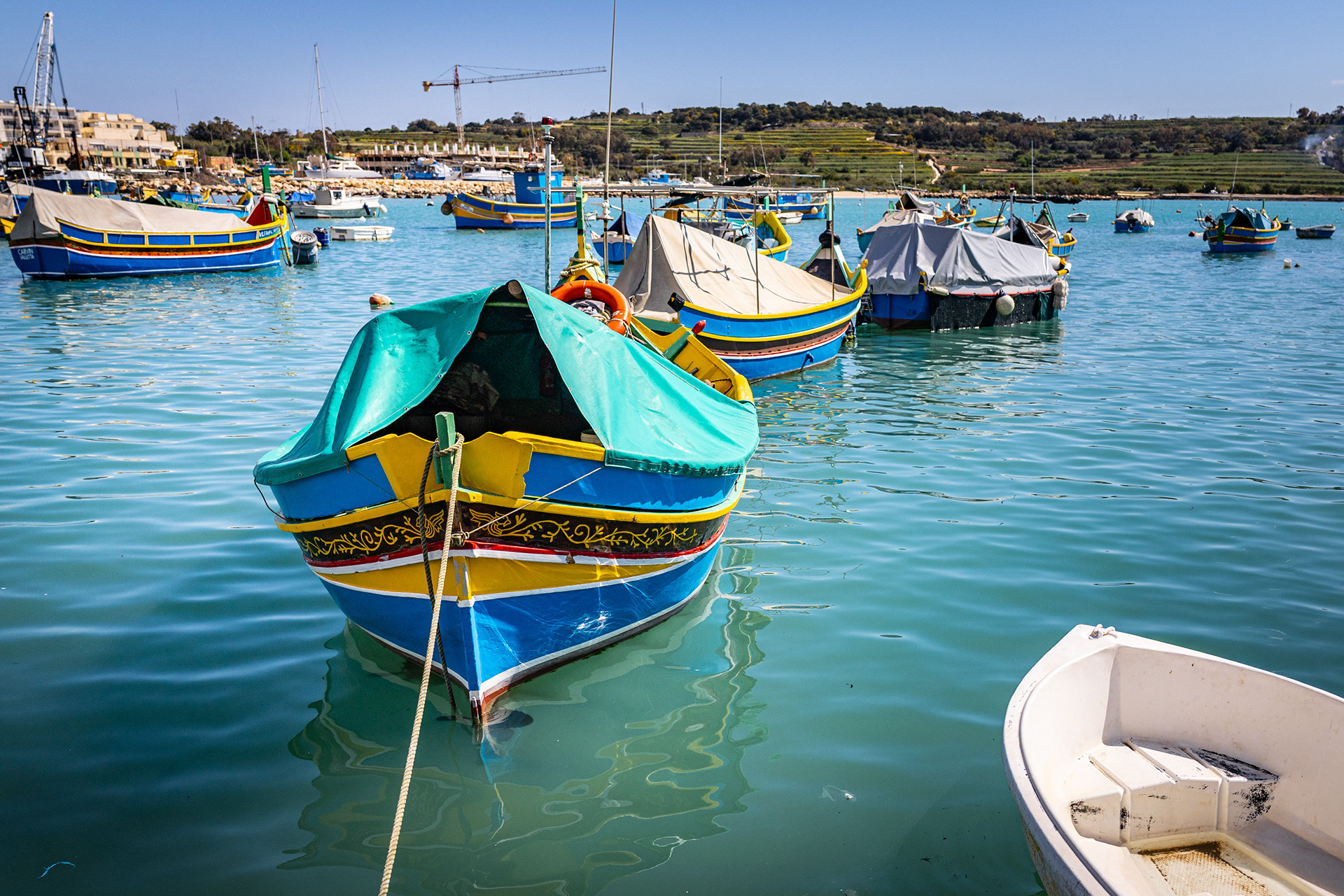
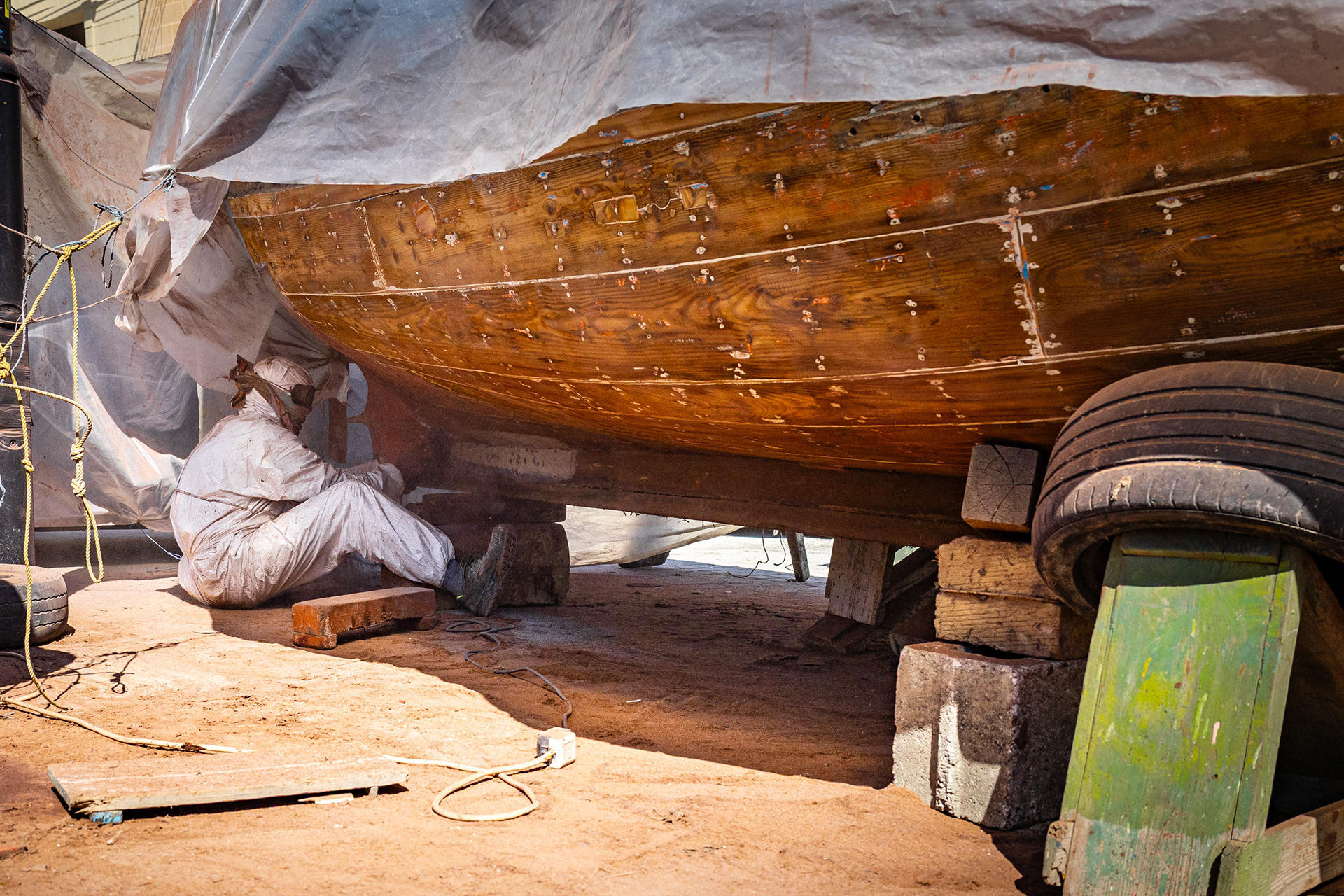
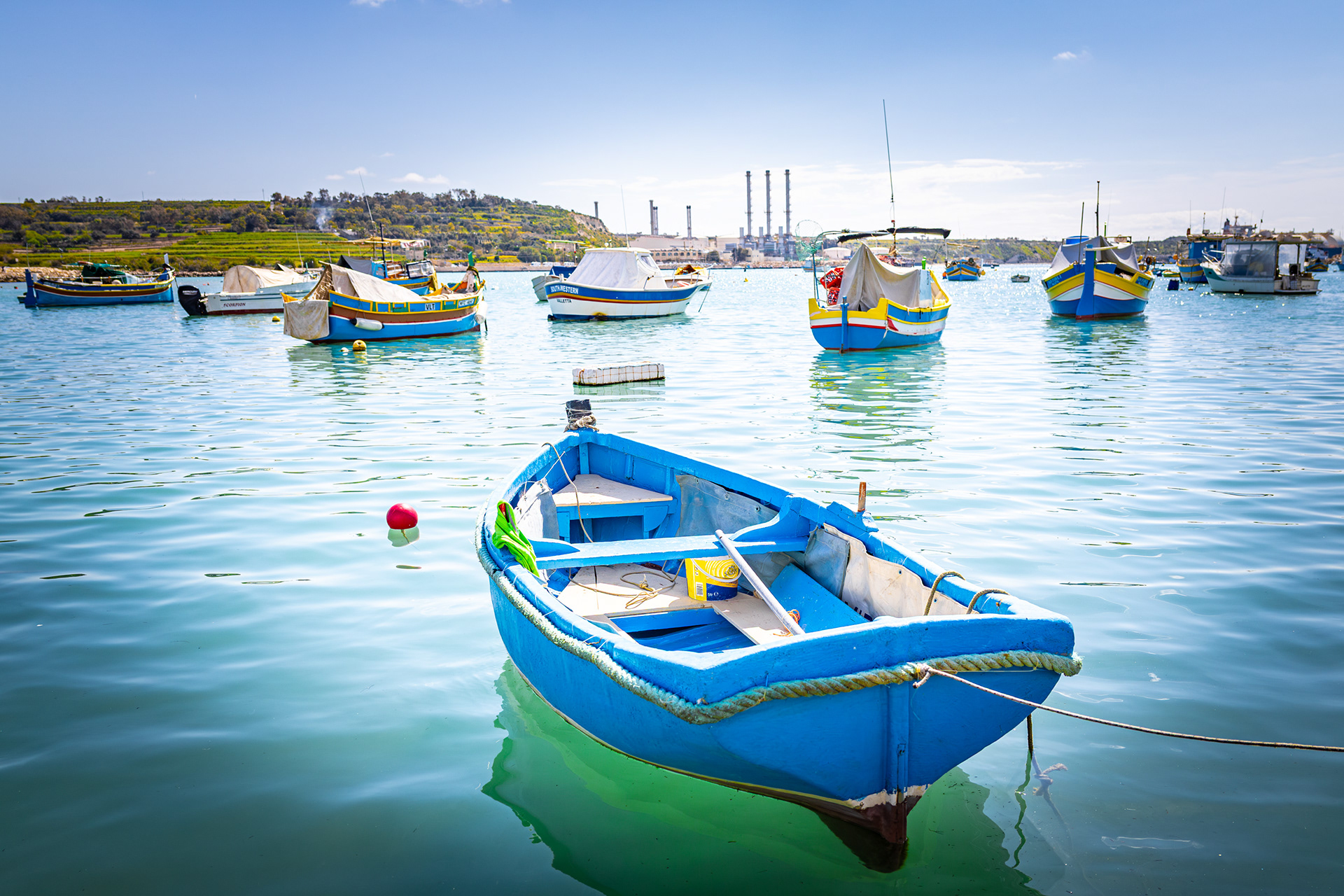
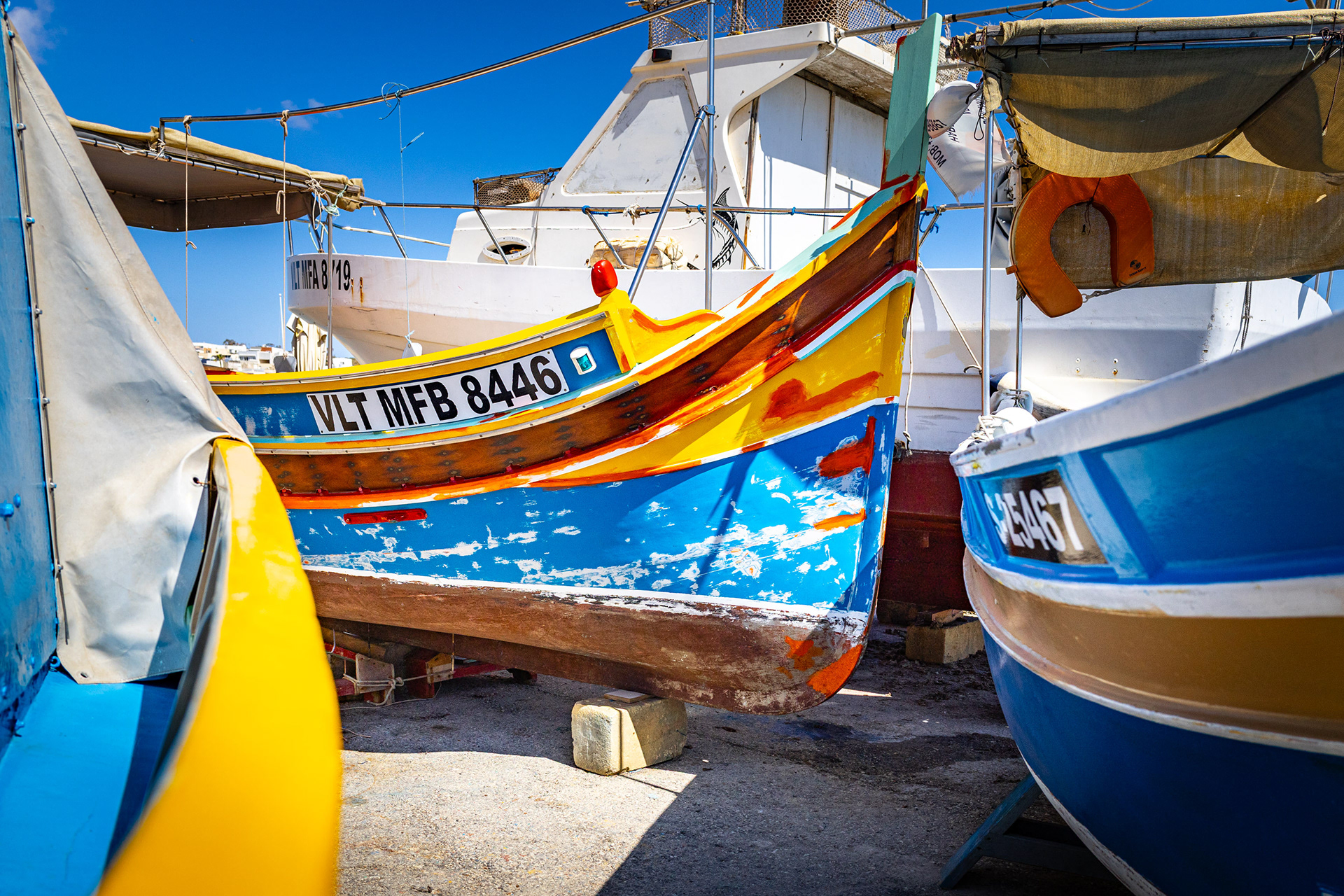
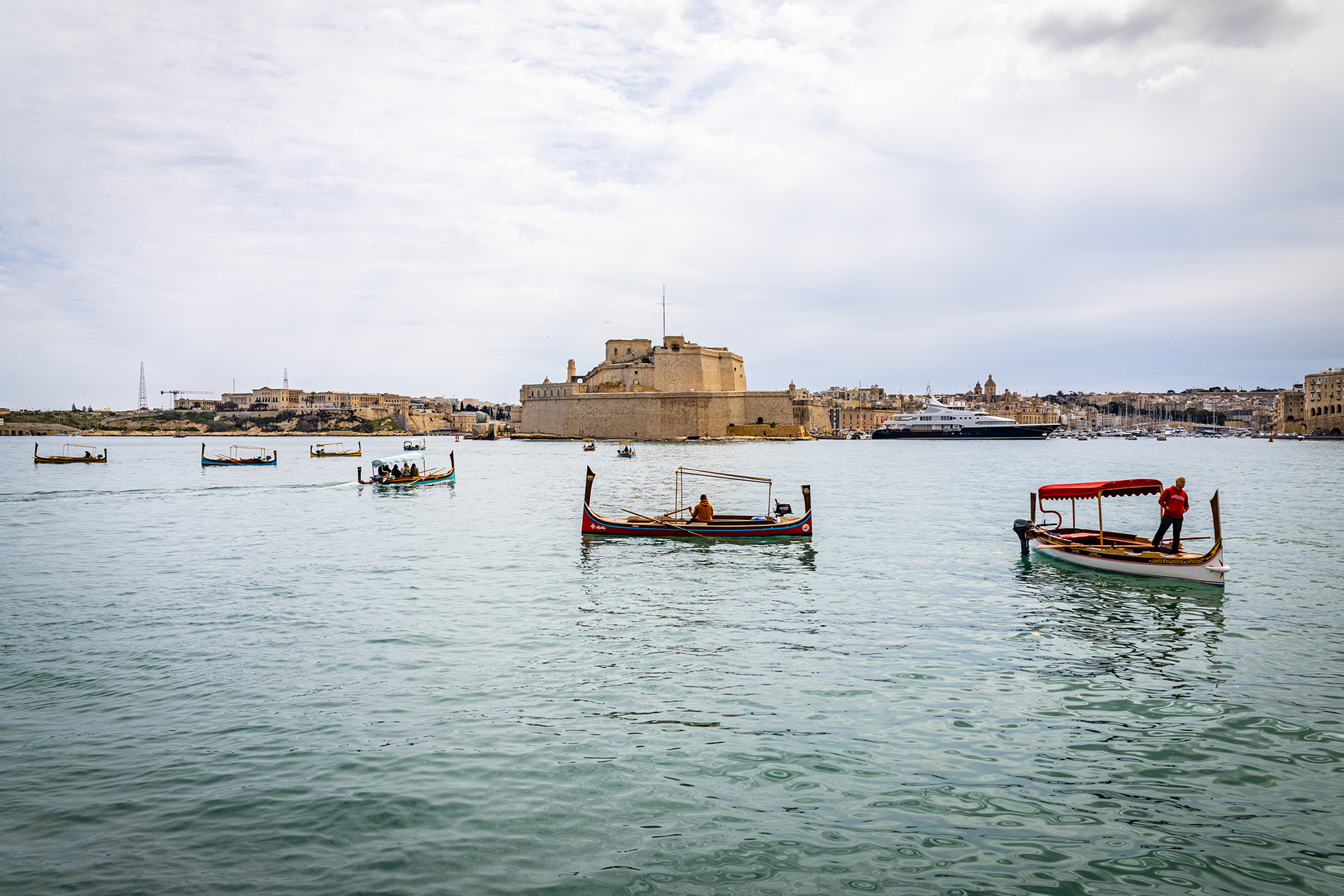
The colorful fishing boats known as luzzus are among Malta's most iconic sights. Their painted eyes, known as the Eye of Osiris, are believed to protect fishermen from danger at sea — a tradition dating back thousands of years.
PL:
Kolorowe łodzie rybackie zwane luzzu należą do najbardziej charakterystycznych symboli Malty. Namalowane na dziobach oczy, zwane Okiem Ozyrysa, mają chronić rybaków przed niebezpieczeństwami na morzu — tradycja ta sięga tysięcy lat wstecz.
Kolorowe łodzie rybackie zwane luzzu należą do najbardziej charakterystycznych symboli Malty. Namalowane na dziobach oczy, zwane Okiem Ozyrysa, mają chronić rybaków przed niebezpieczeństwami na morzu — tradycja ta sięga tysięcy lat wstecz.
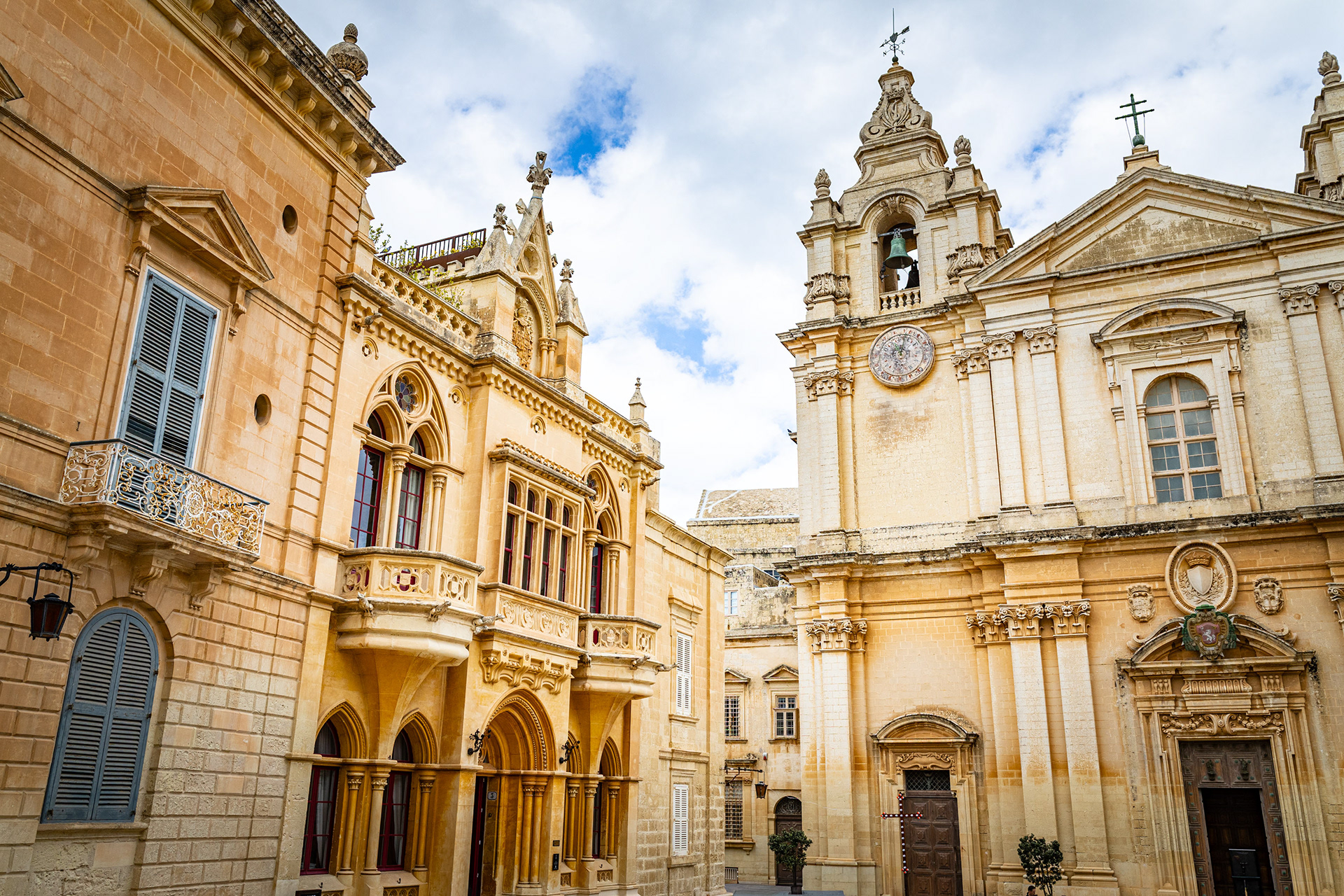
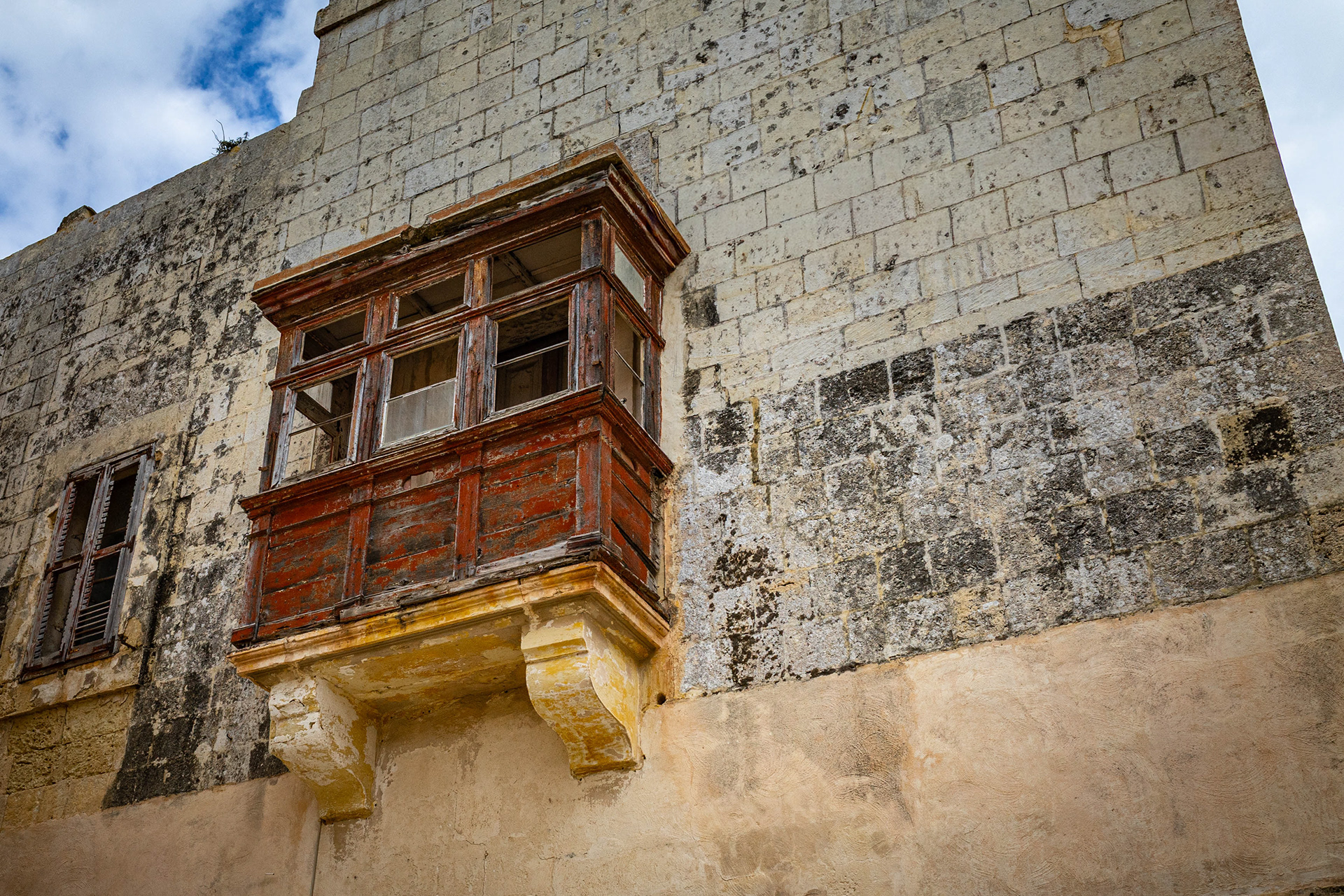
Known as the "Silent City", Mdina served as Malta's capital for centuries before the rise of Valletta. Surrounded by imposing walls and largely closed to regular traffic, its narrow streets preserve an atmosphere that has changed little since medieval times. Walking through Mdina feels less like visiting a city and more like stepping into another era.
PL:
Znana jako „Ciche Miasto”, Mdina przez stulecia była stolicą Malty, zanim rolę tę przejęła Valletta. Otoczona potężnymi murami i niemal pozbawiona ruchu samochodowego zachowała atmosferę, która niewiele zmieniła się od czasów średniowiecza. Spacer po Mdinie przypomina bardziej podróż w czasie niż zwiedzanie miasta.
Znana jako „Ciche Miasto”, Mdina przez stulecia była stolicą Malty, zanim rolę tę przejęła Valletta. Otoczona potężnymi murami i niemal pozbawiona ruchu samochodowego zachowała atmosferę, która niewiele zmieniła się od czasów średniowiecza. Spacer po Mdinie przypomina bardziej podróż w czasie niż zwiedzanie miasta.
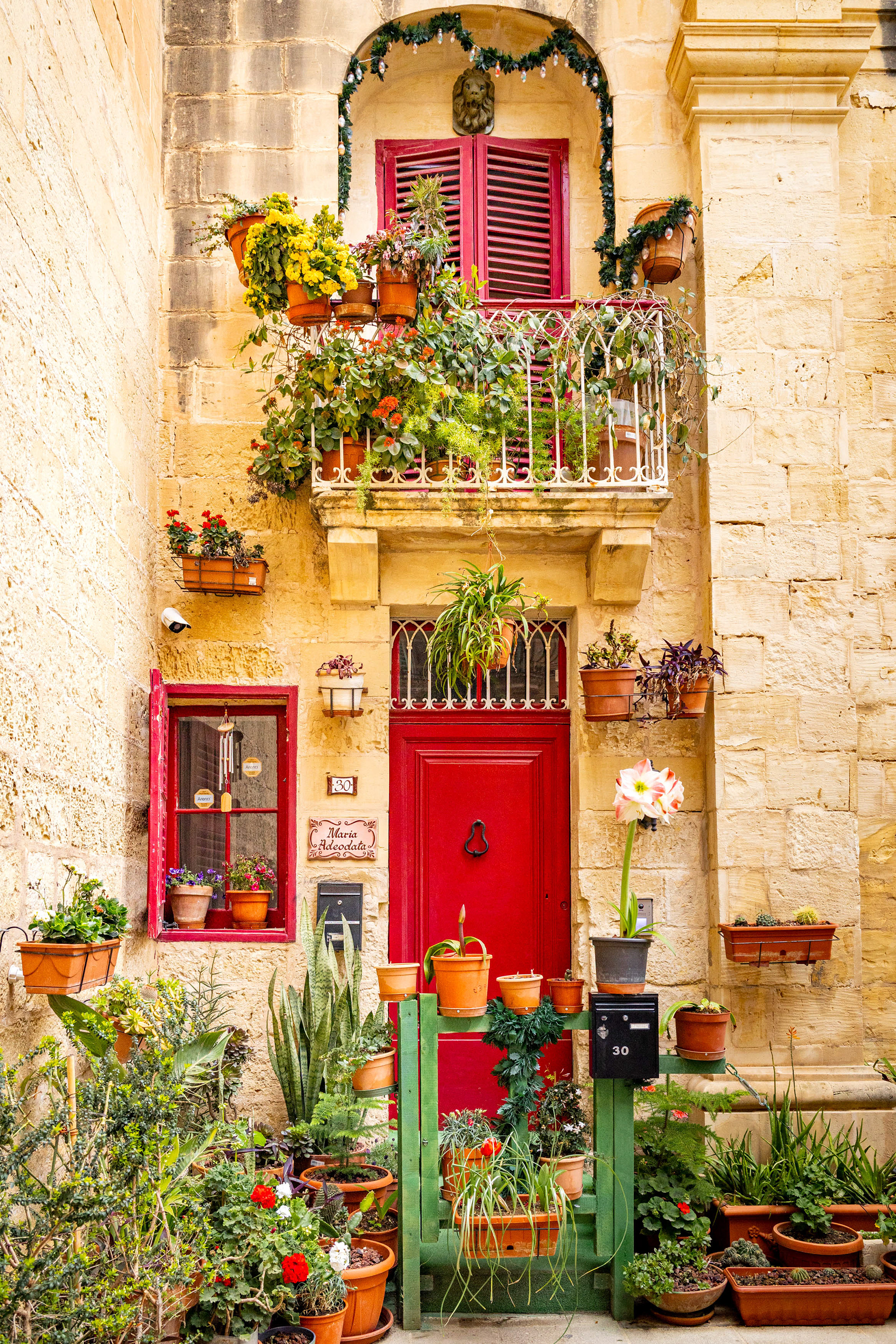
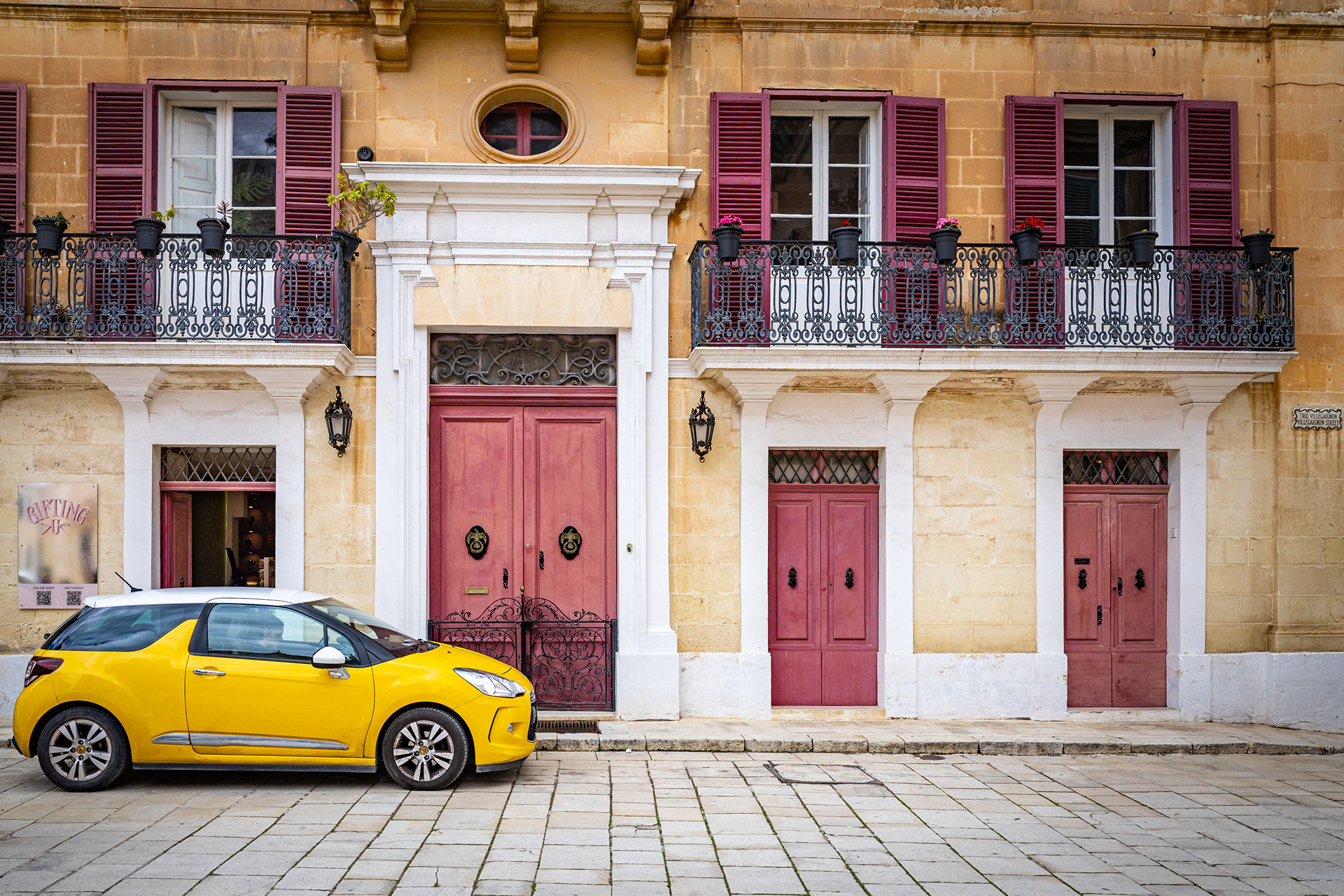
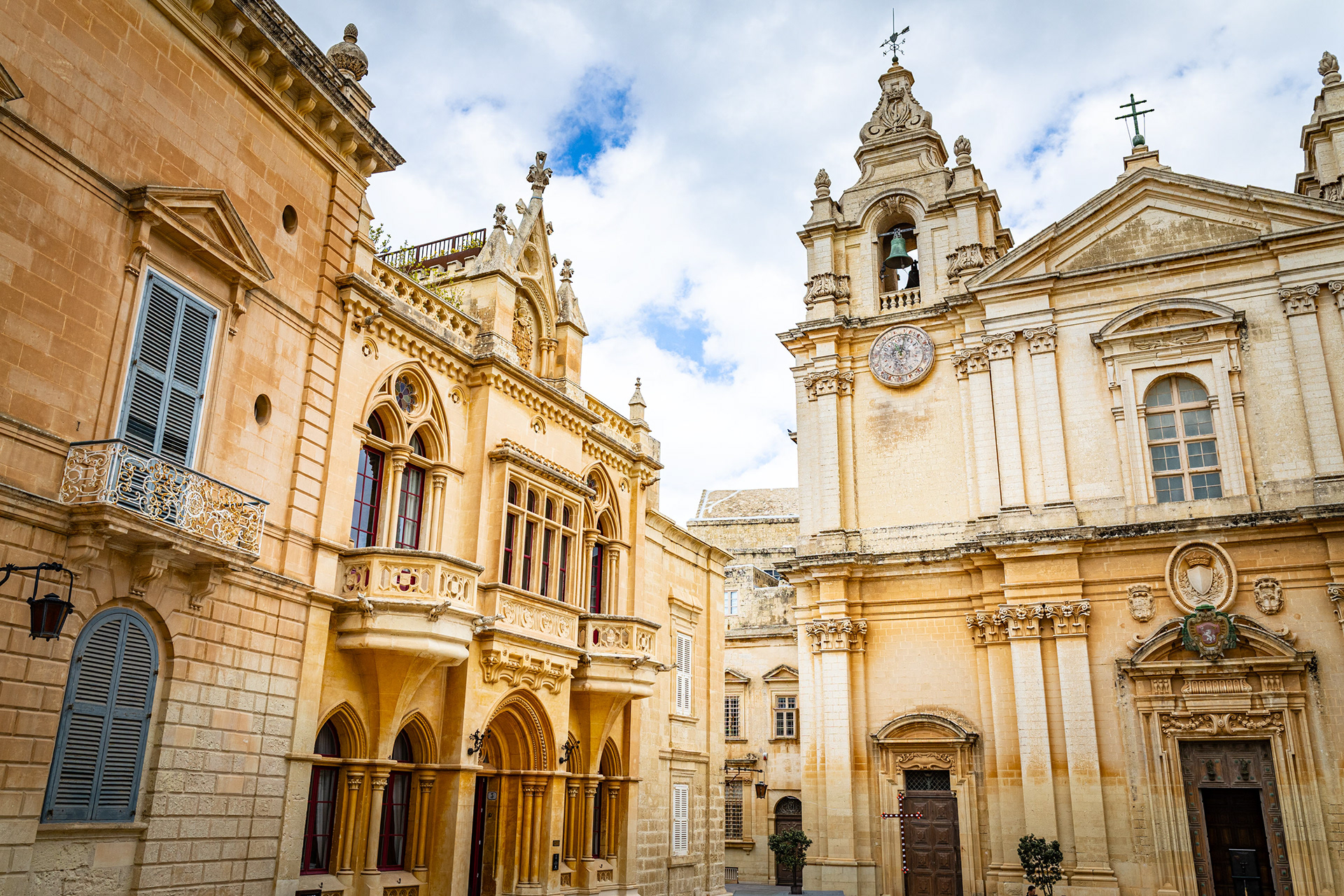
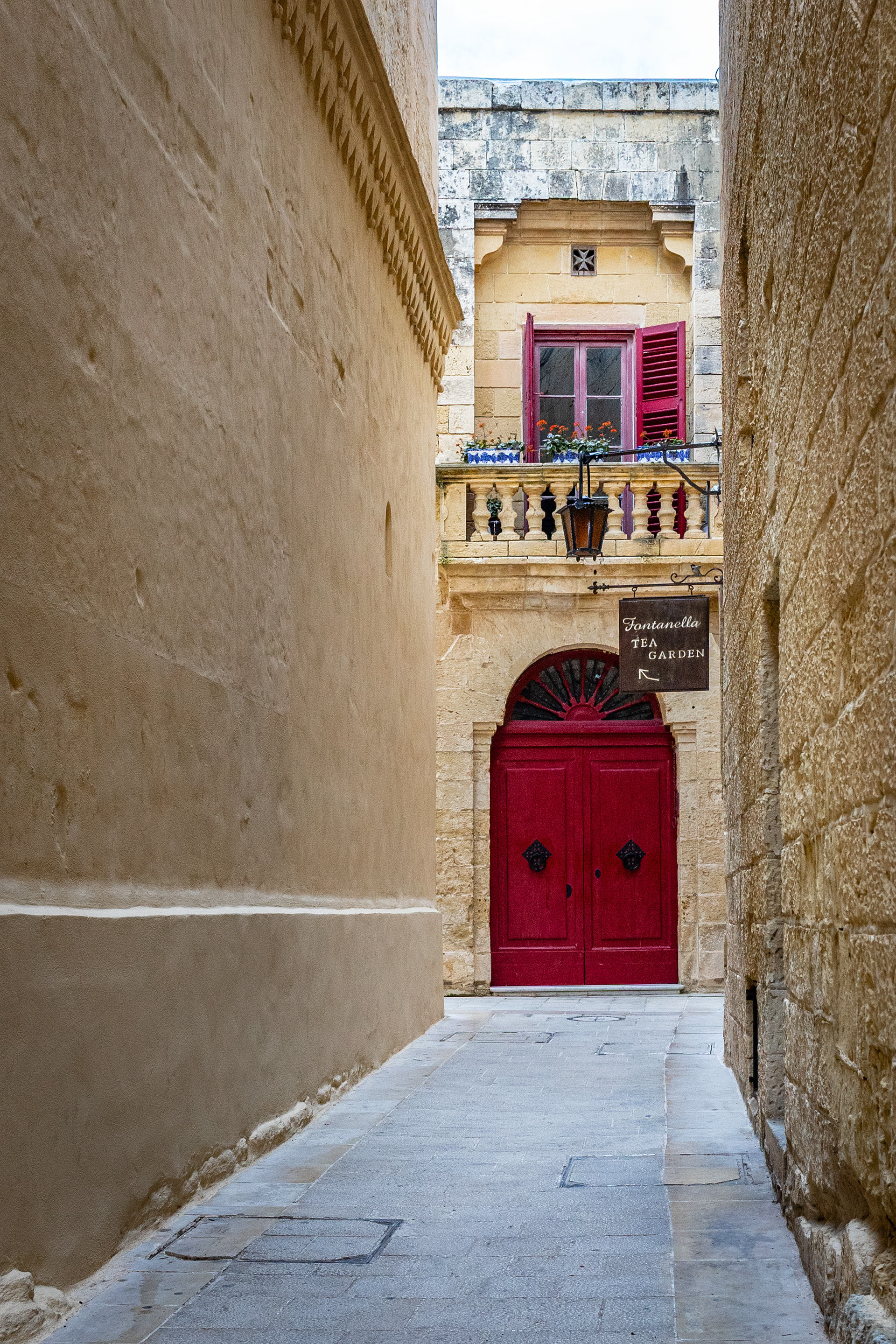
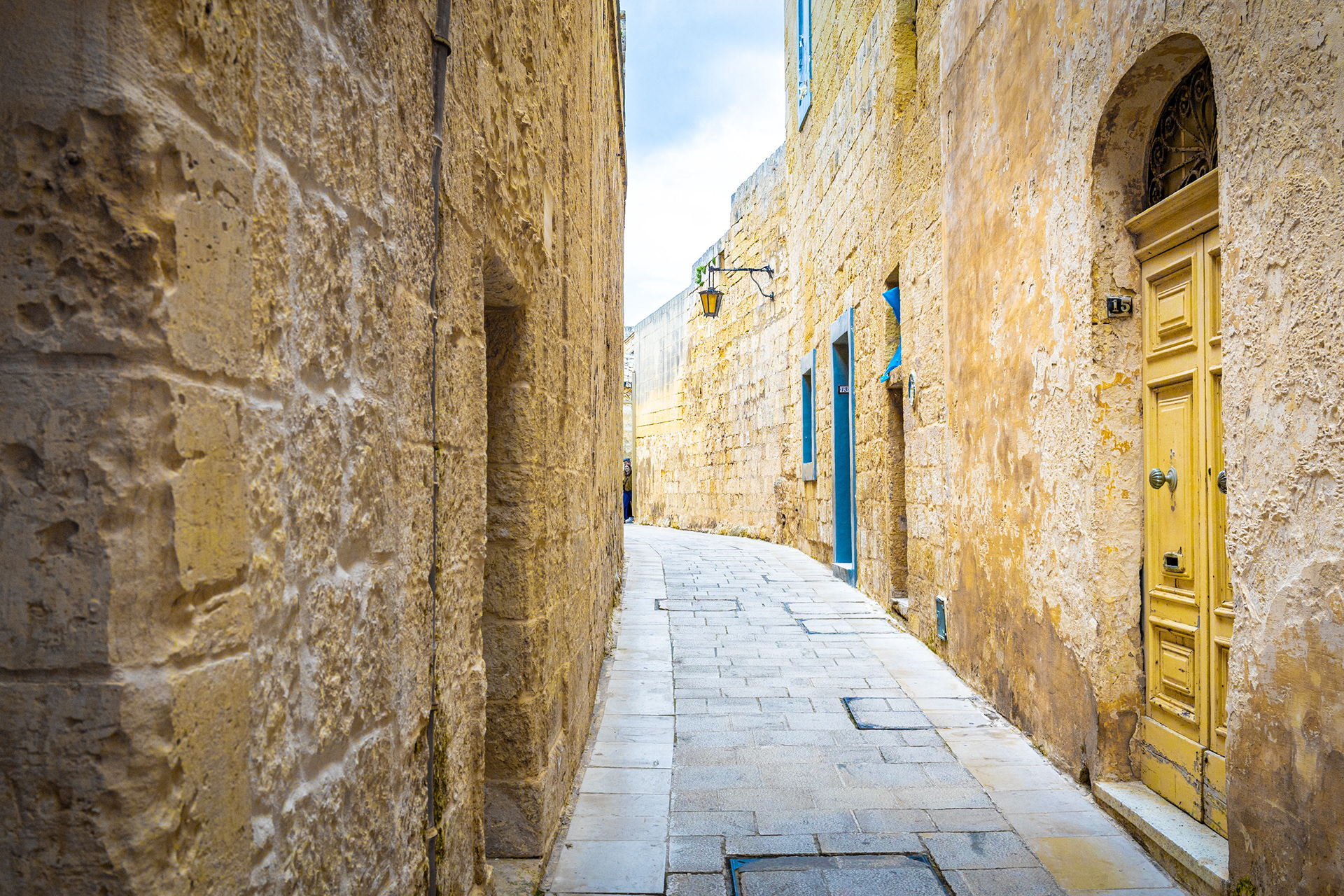
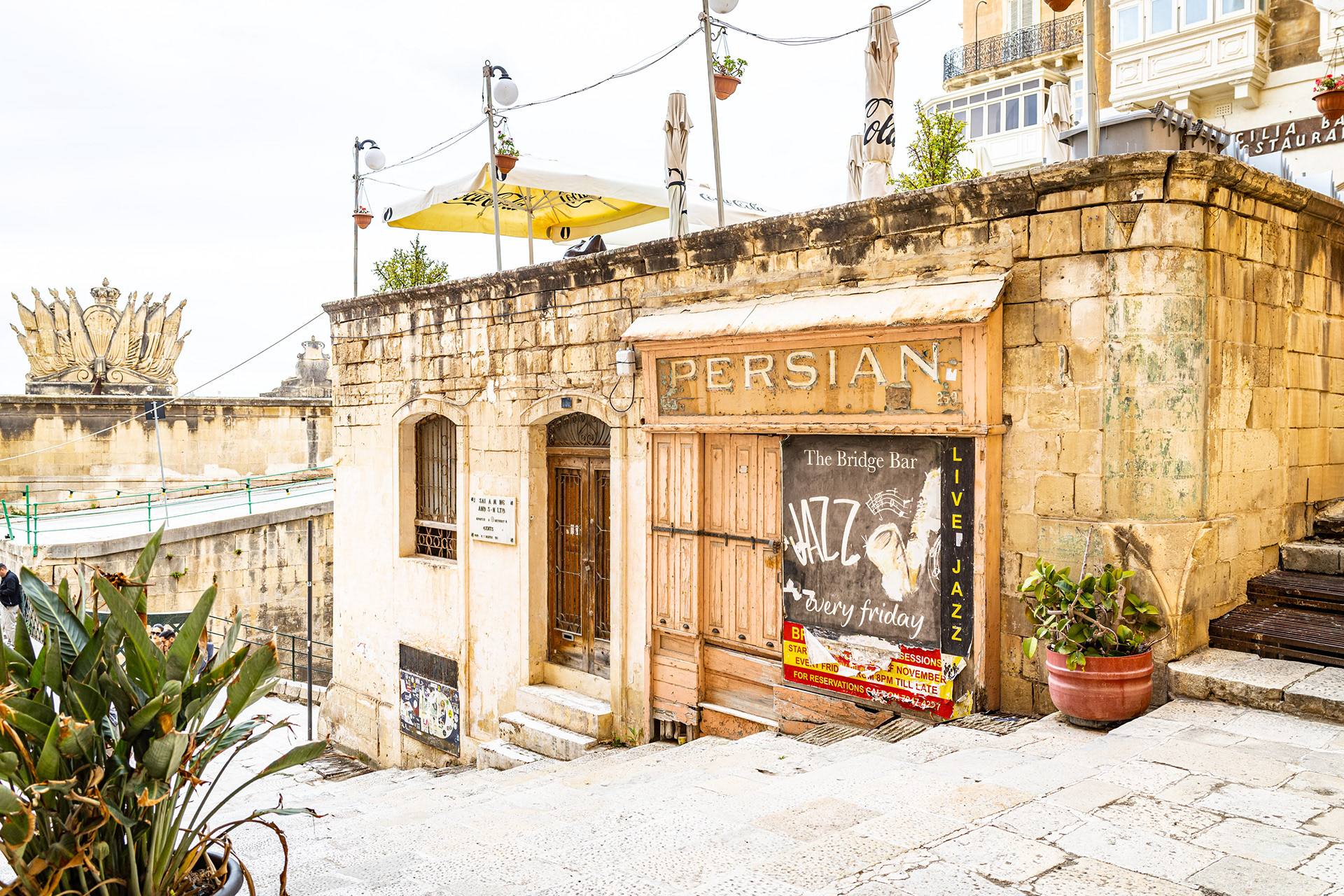
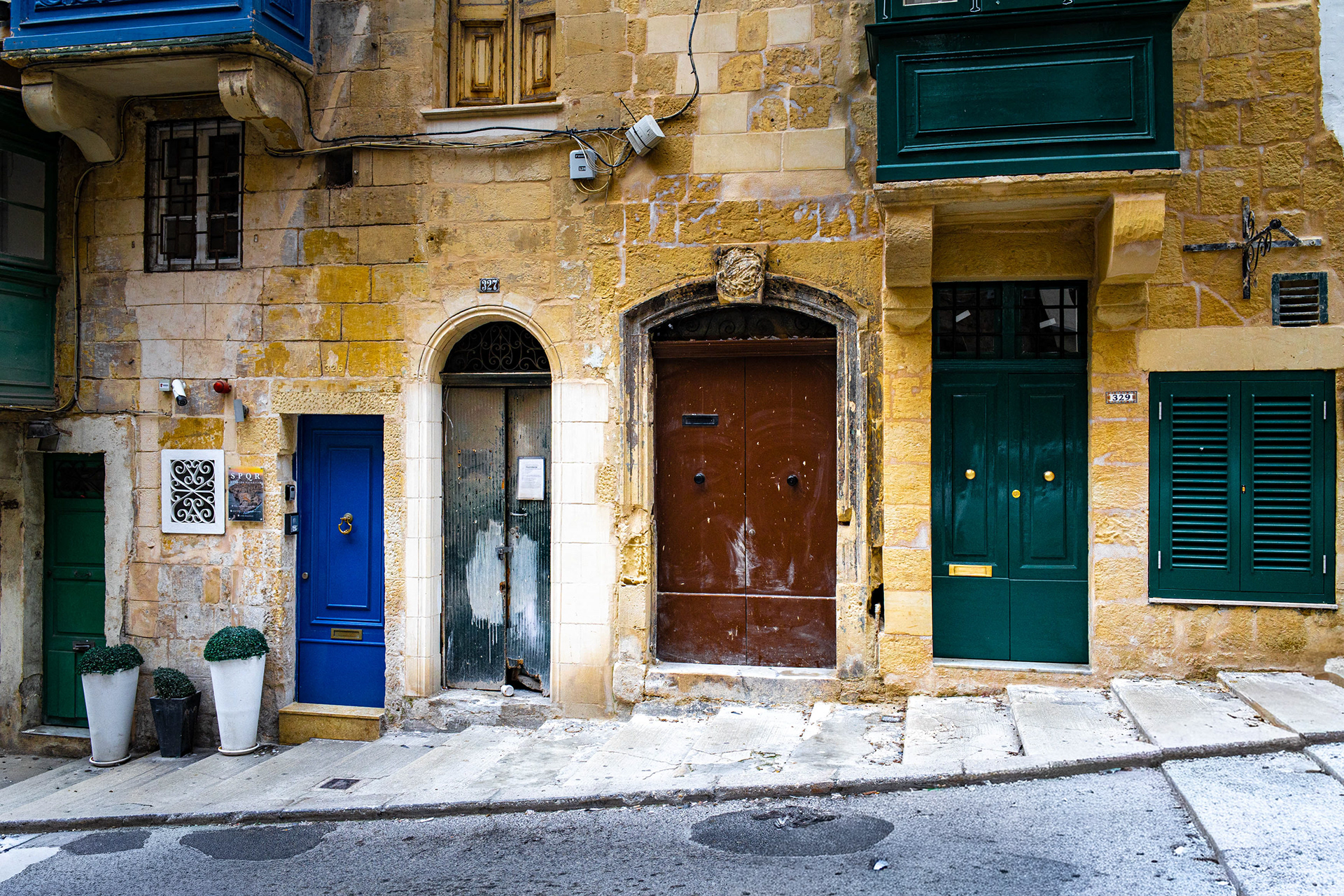
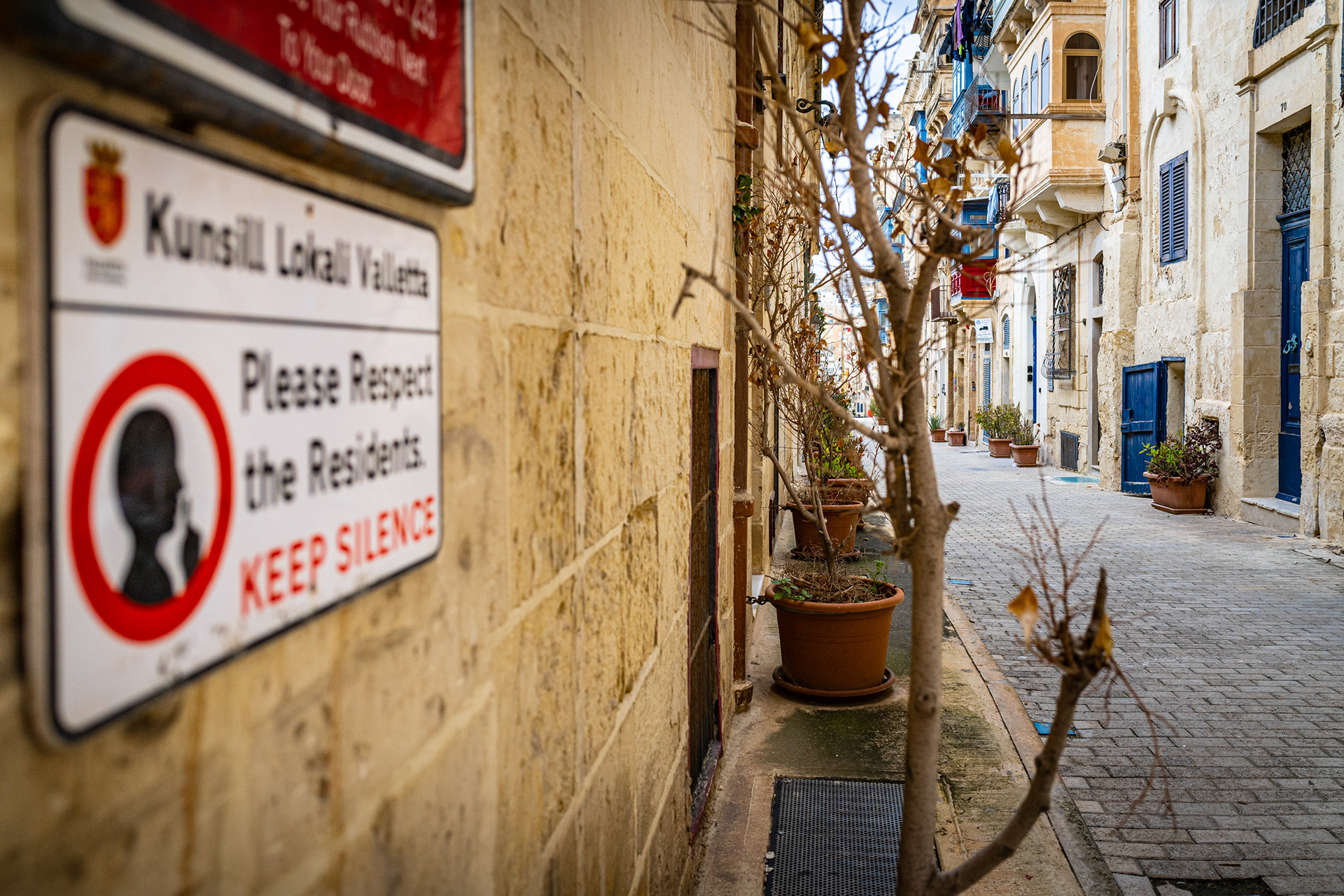
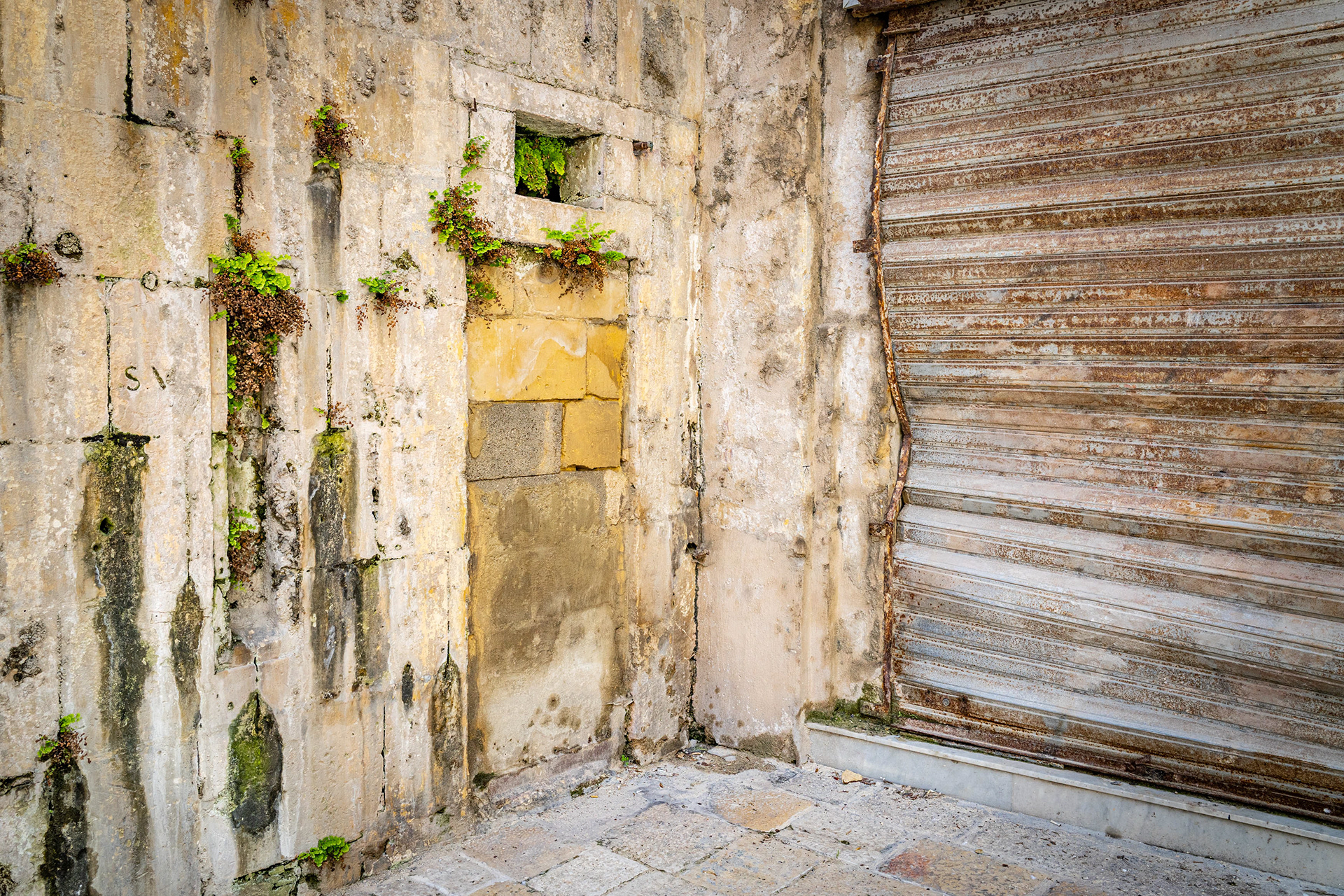
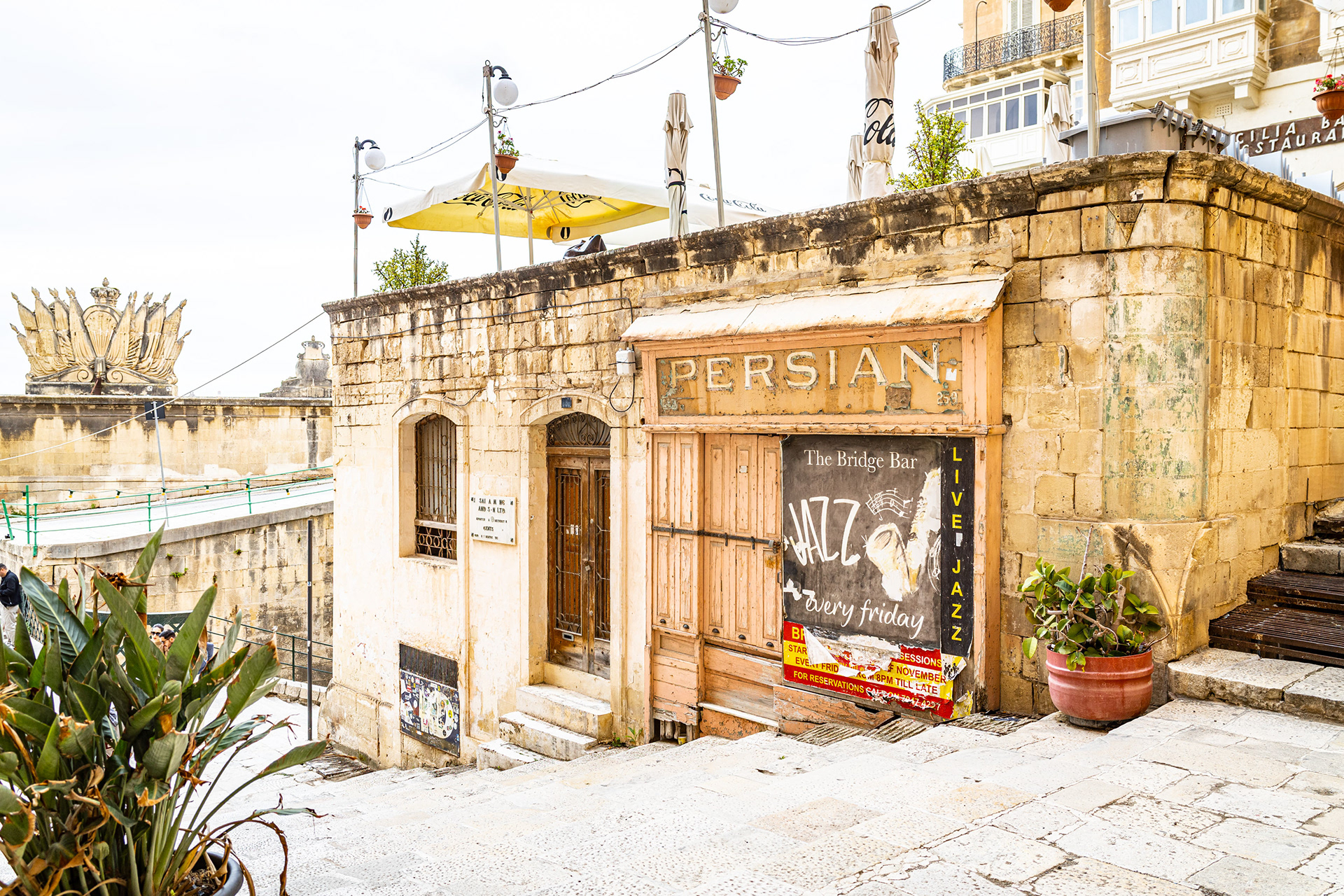
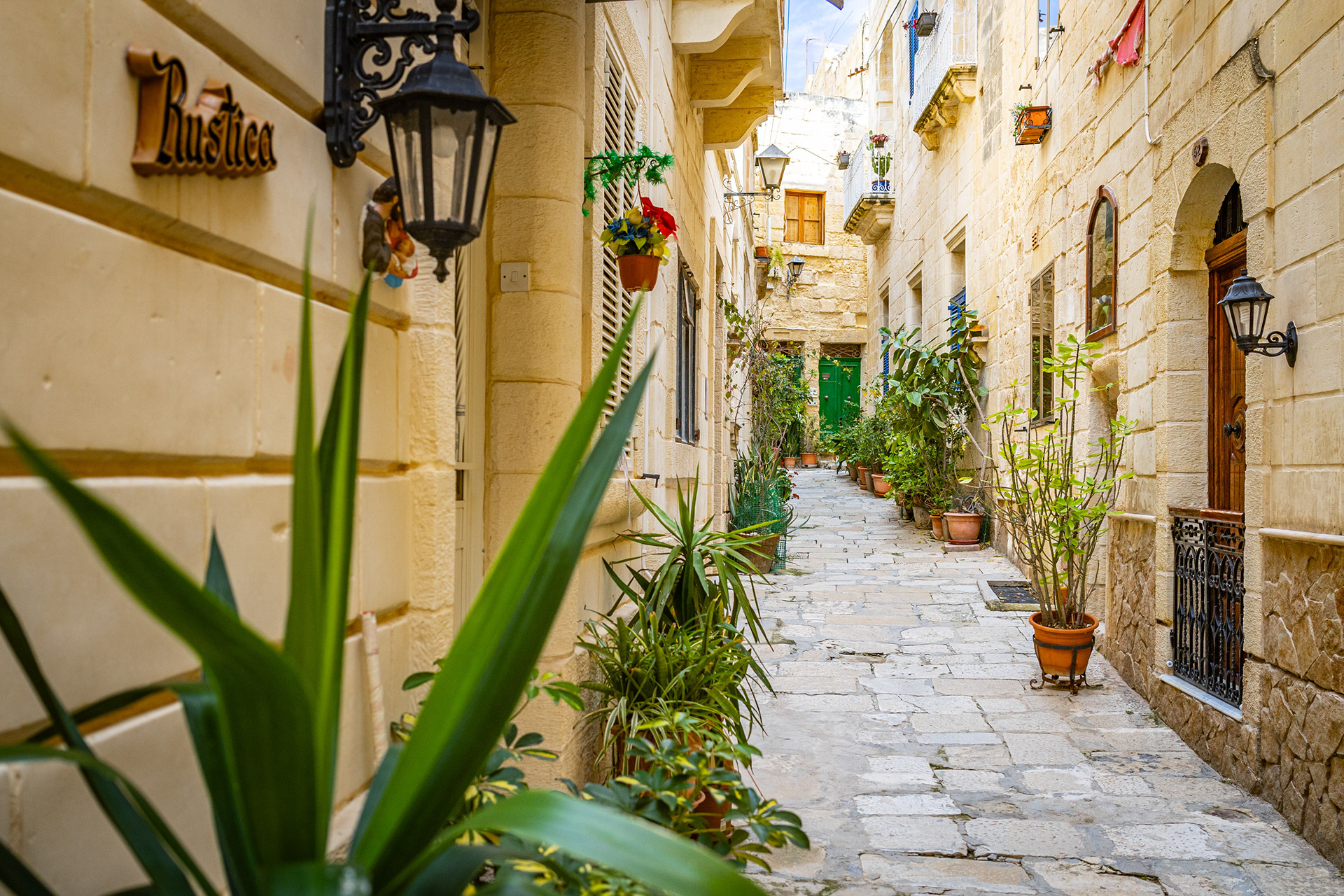
Most traditional buildings on Malta are constructed from local limestone. The warm honey-colored stone reflects sunlight beautifully and gives the islands their distinctive golden appearance.
PL:
Większość tradycyjnych budynków na Malcie zbudowano z lokalnego wapienia. Kamień o ciepłym, miodowym kolorze pięknie odbija światło i nadaje wyspom ich charakterystyczny złocisty wygląd.
Większość tradycyjnych budynków na Malcie zbudowano z lokalnego wapienia. Kamień o ciepłym, miodowym kolorze pięknie odbija światło i nadaje wyspom ich charakterystyczny złocisty wygląd.
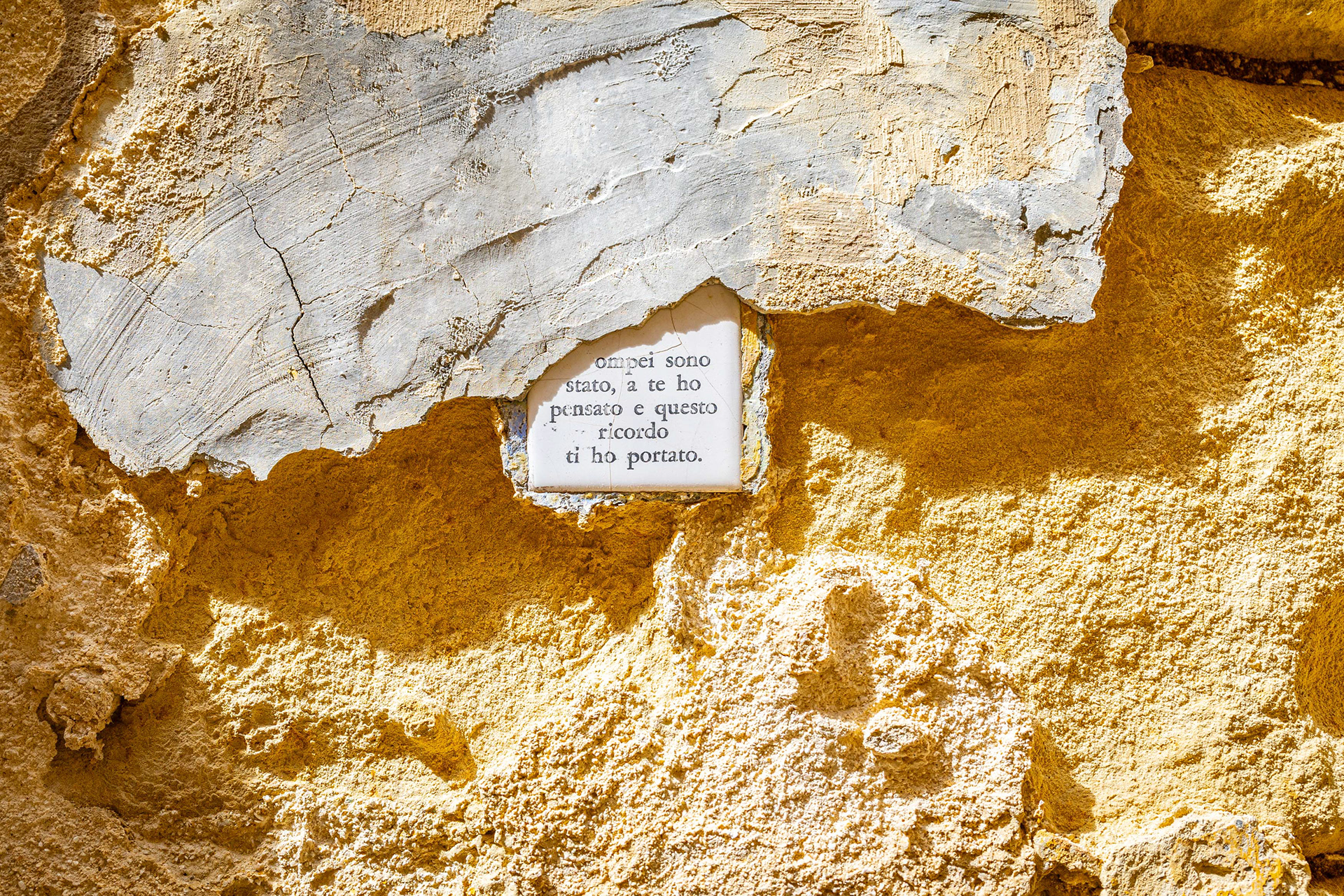
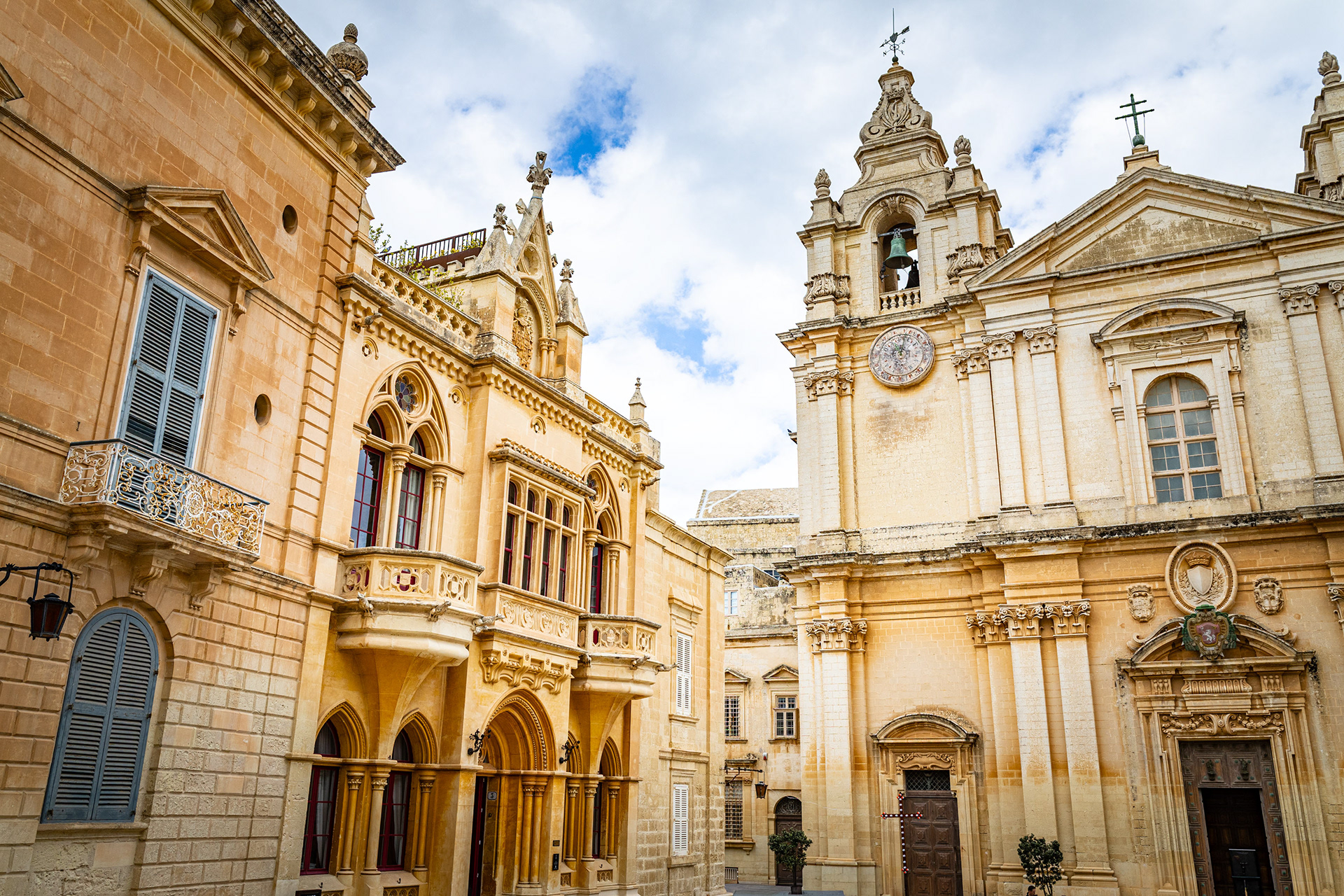
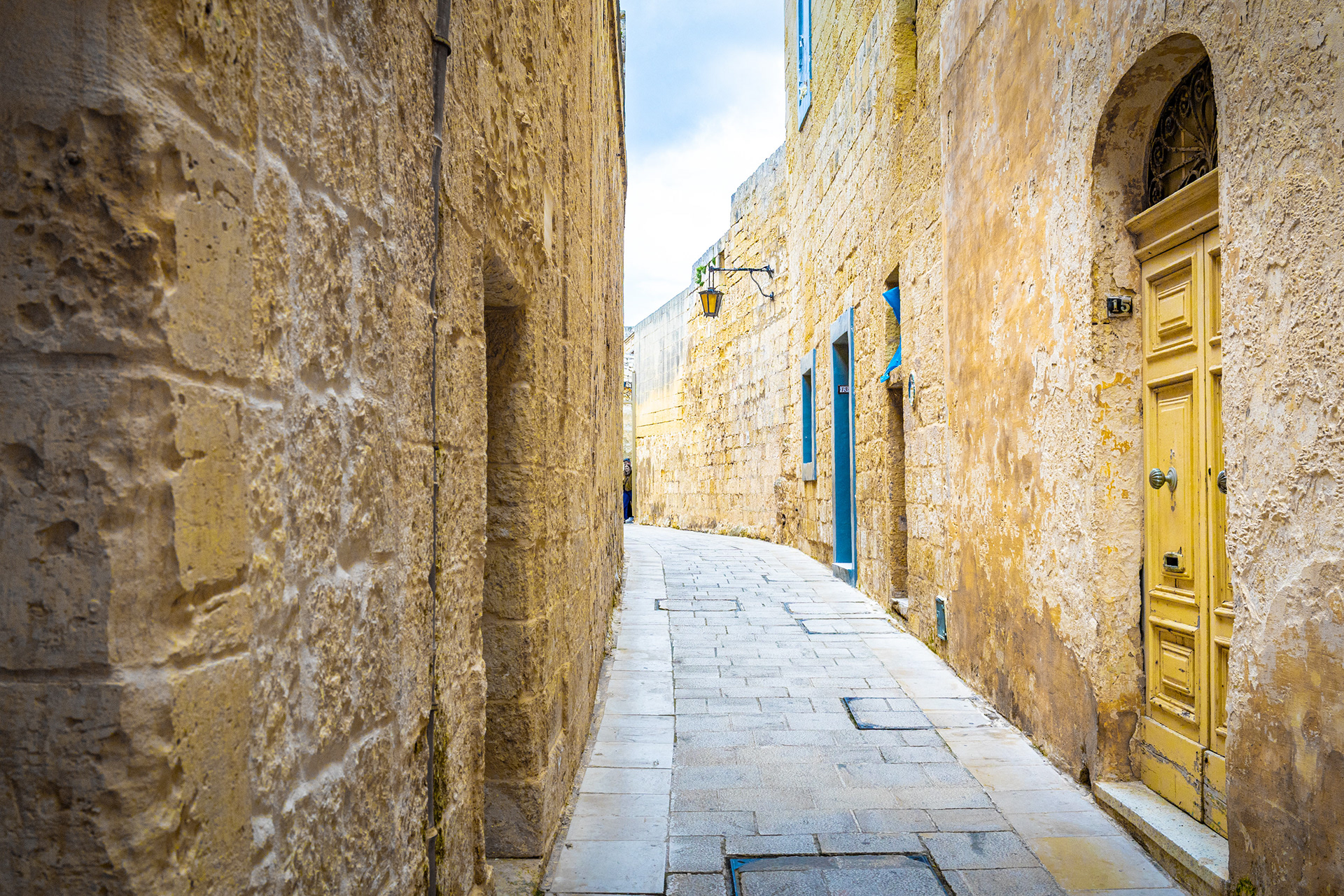
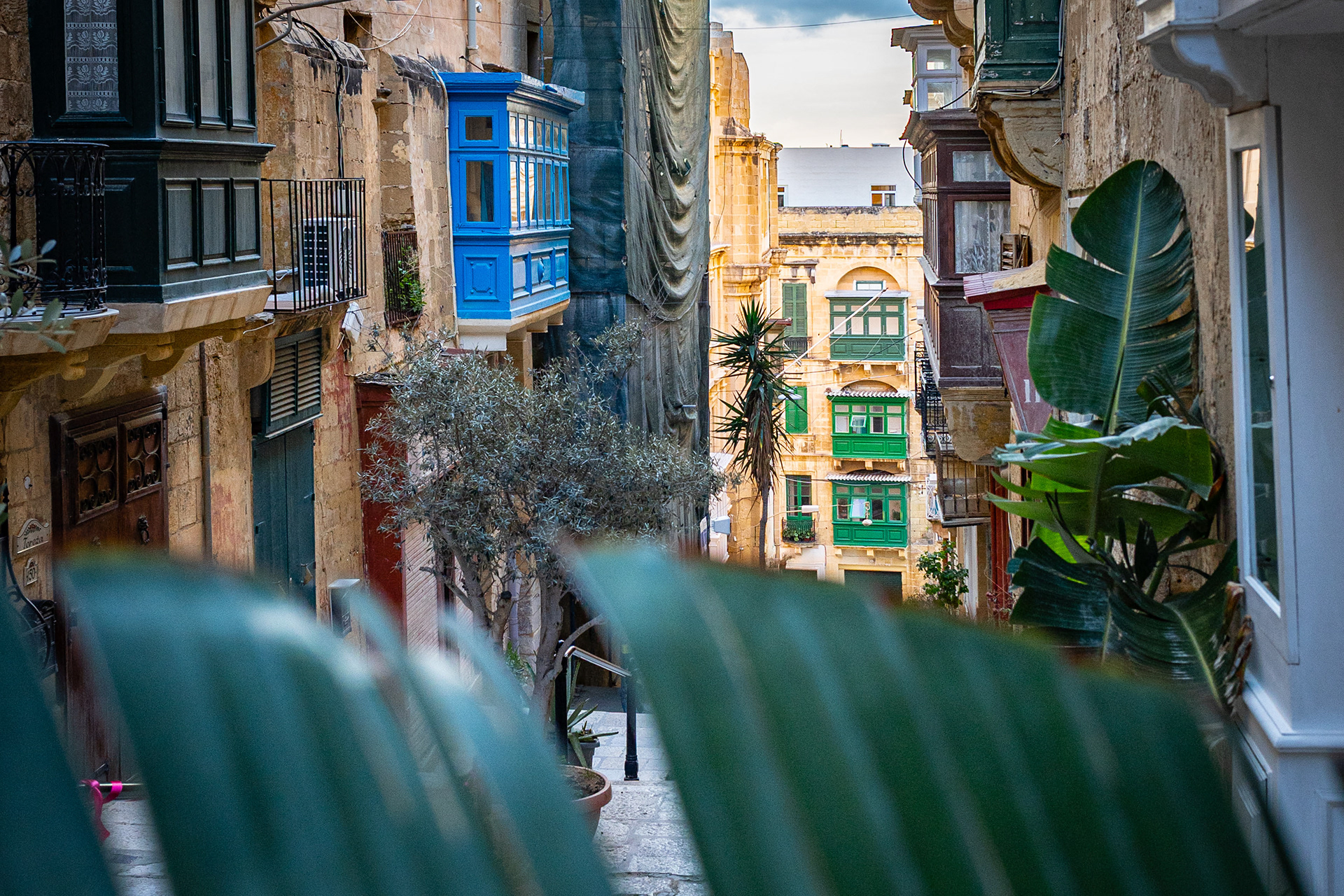
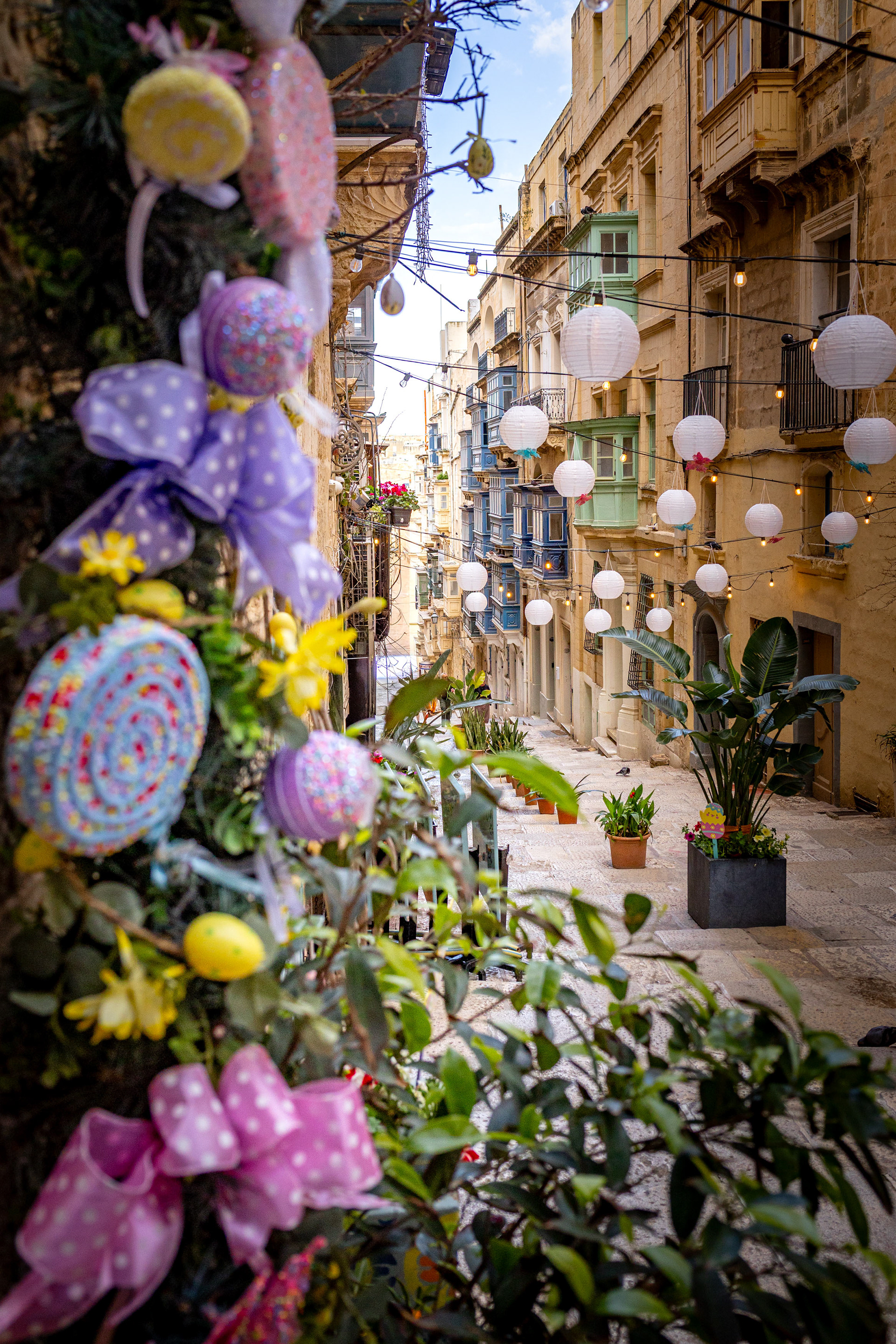
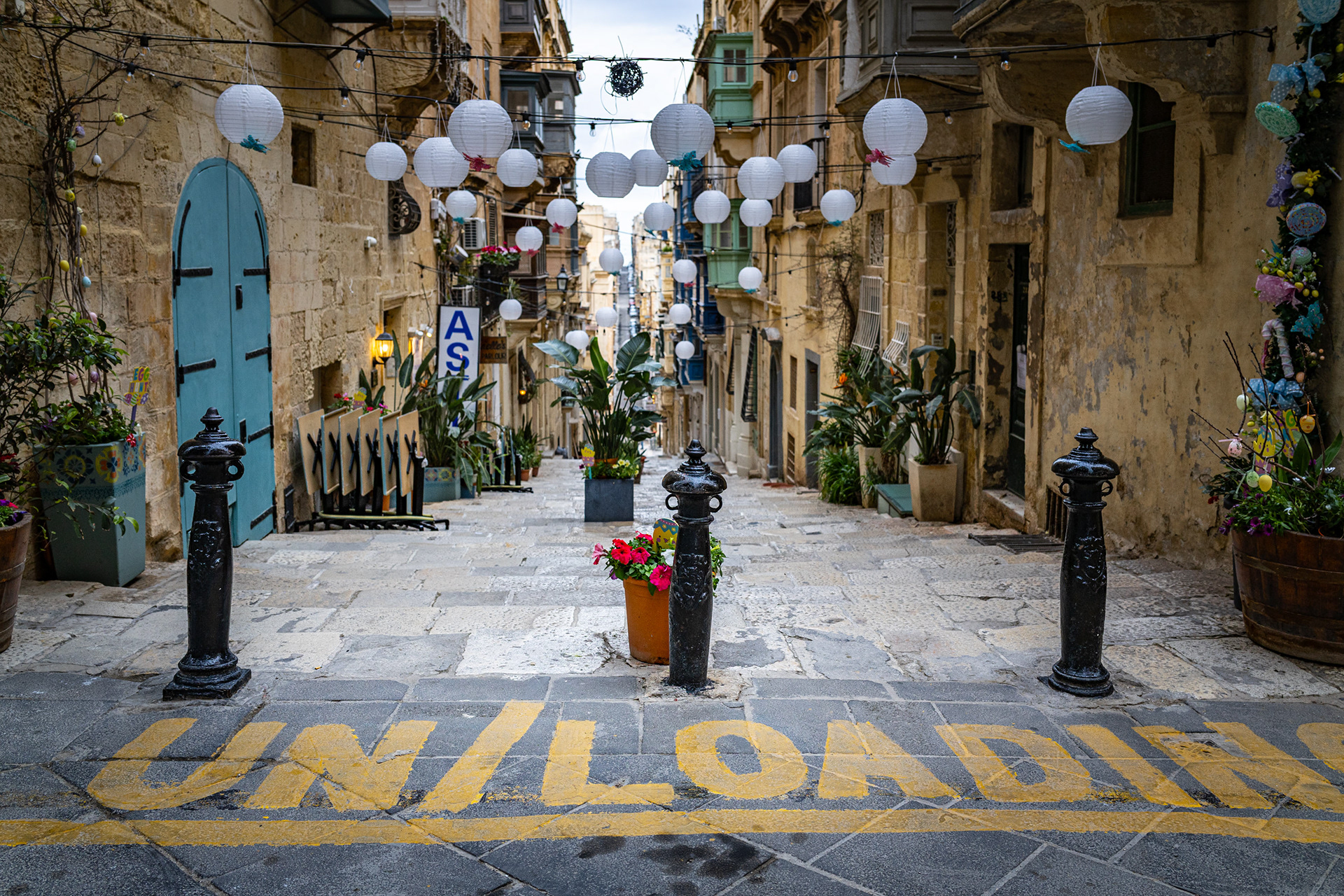
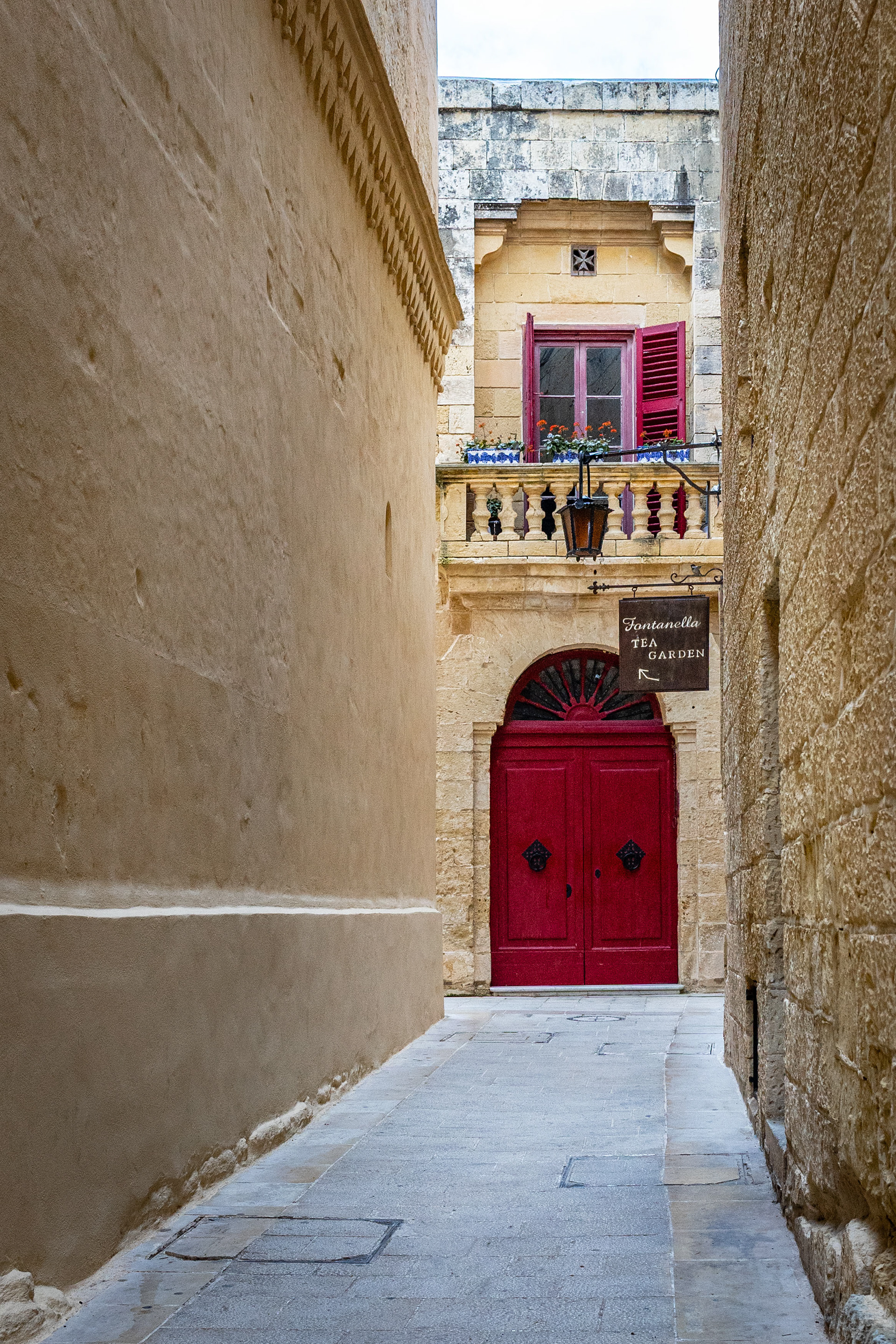
Many historic streets in Valletta and Mdina were intentionally built narrow. Besides defensive purposes, they provided shade and natural cooling during the hot Mediterranean summers.
PL:
Wiele historycznych uliczek Valletty i Mdiny celowo zaprojektowano jako bardzo wąskie. Poza funkcją obronną zapewniały one cień i naturalne chłodzenie podczas gorących śródziemnomorskich lat.
Wiele historycznych uliczek Valletty i Mdiny celowo zaprojektowano jako bardzo wąskie. Poza funkcją obronną zapewniały one cień i naturalne chłodzenie podczas gorących śródziemnomorskich lat.
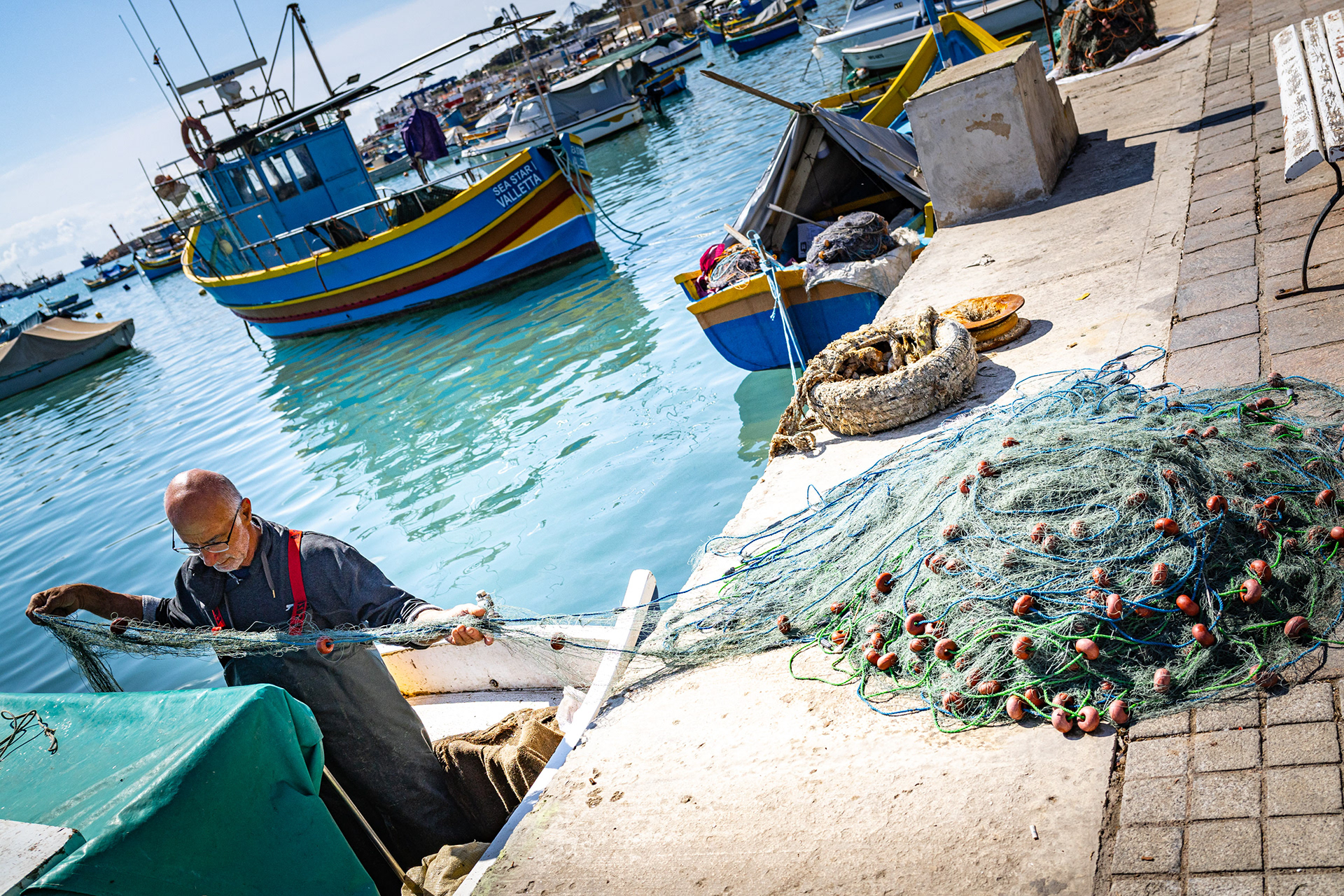
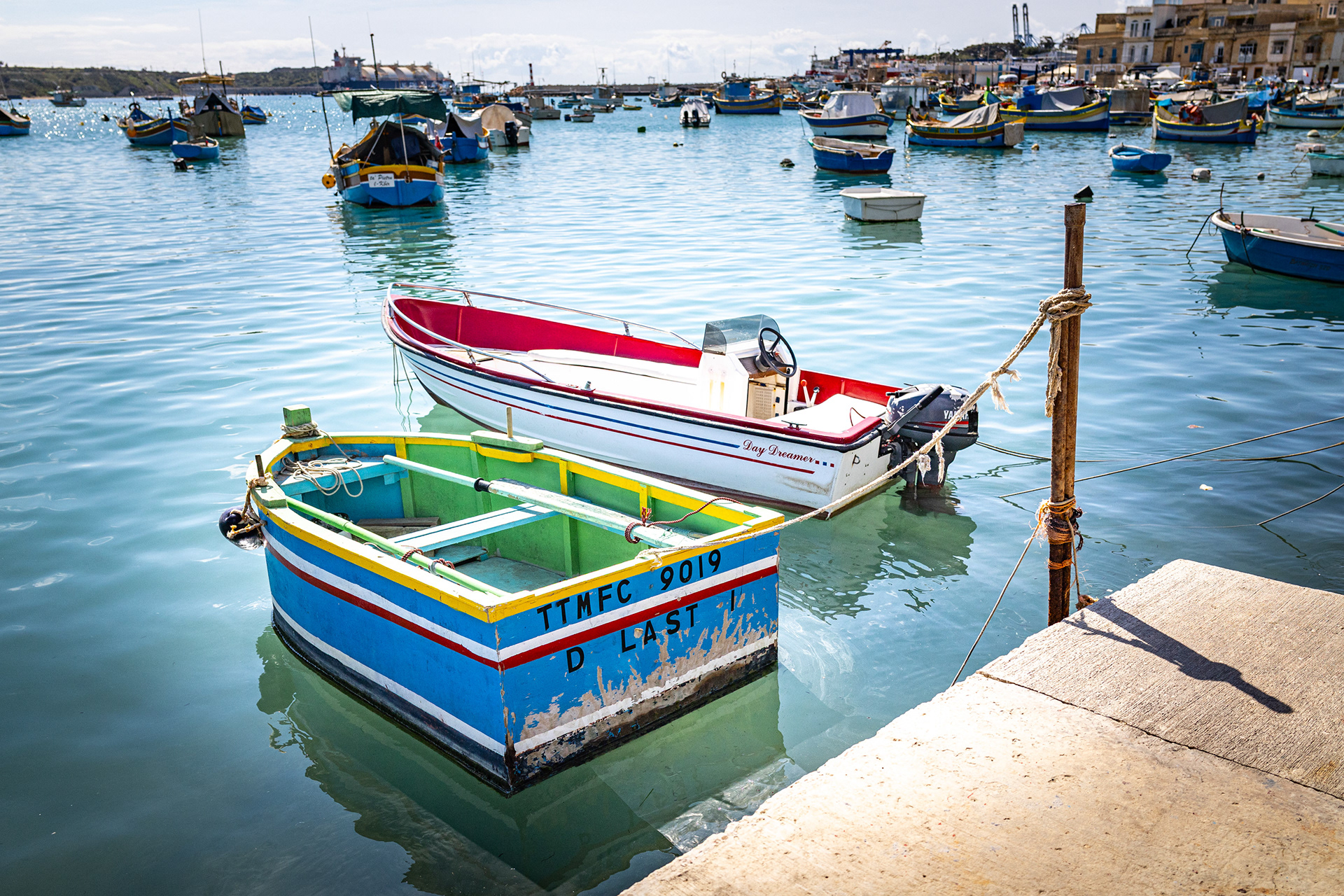
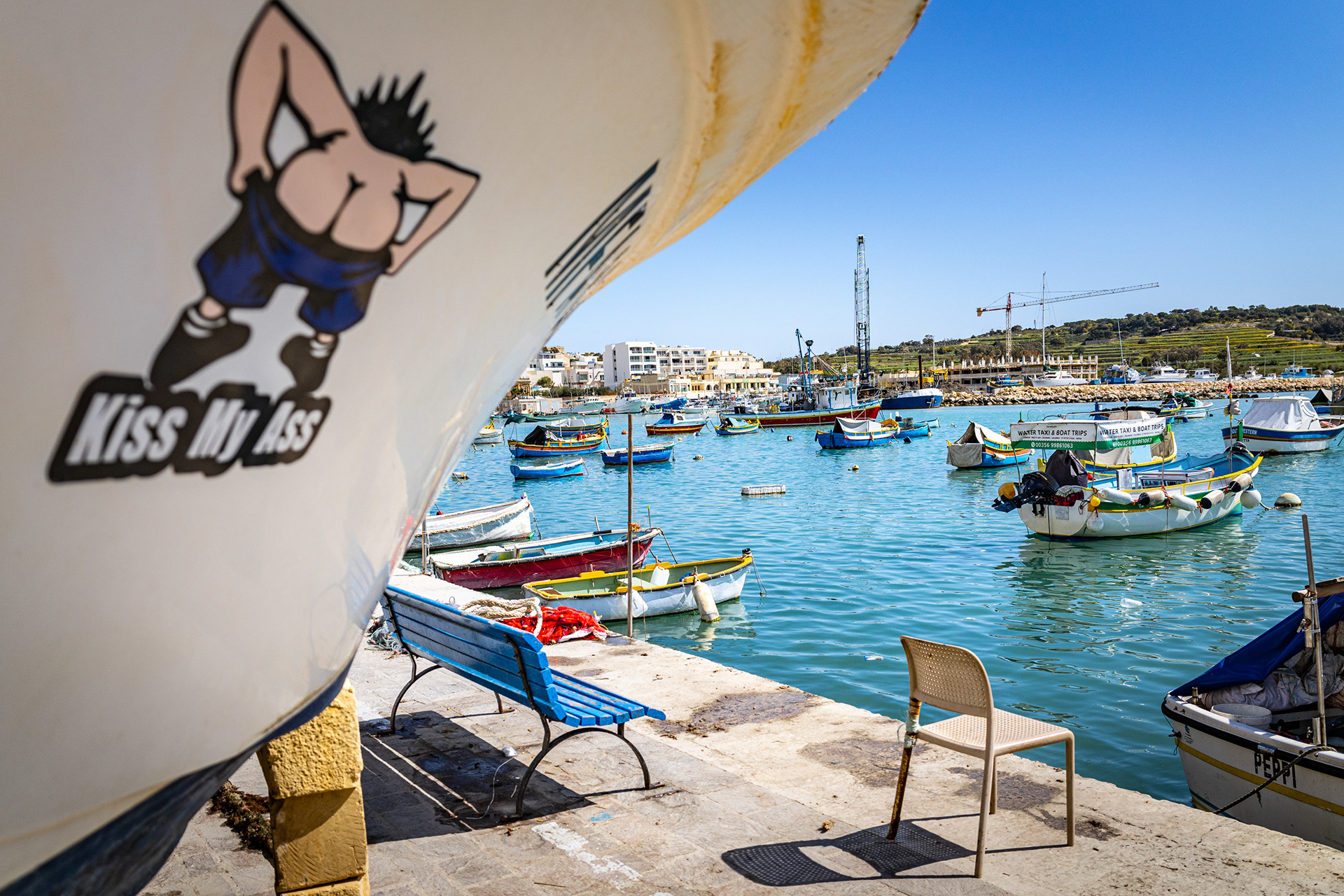
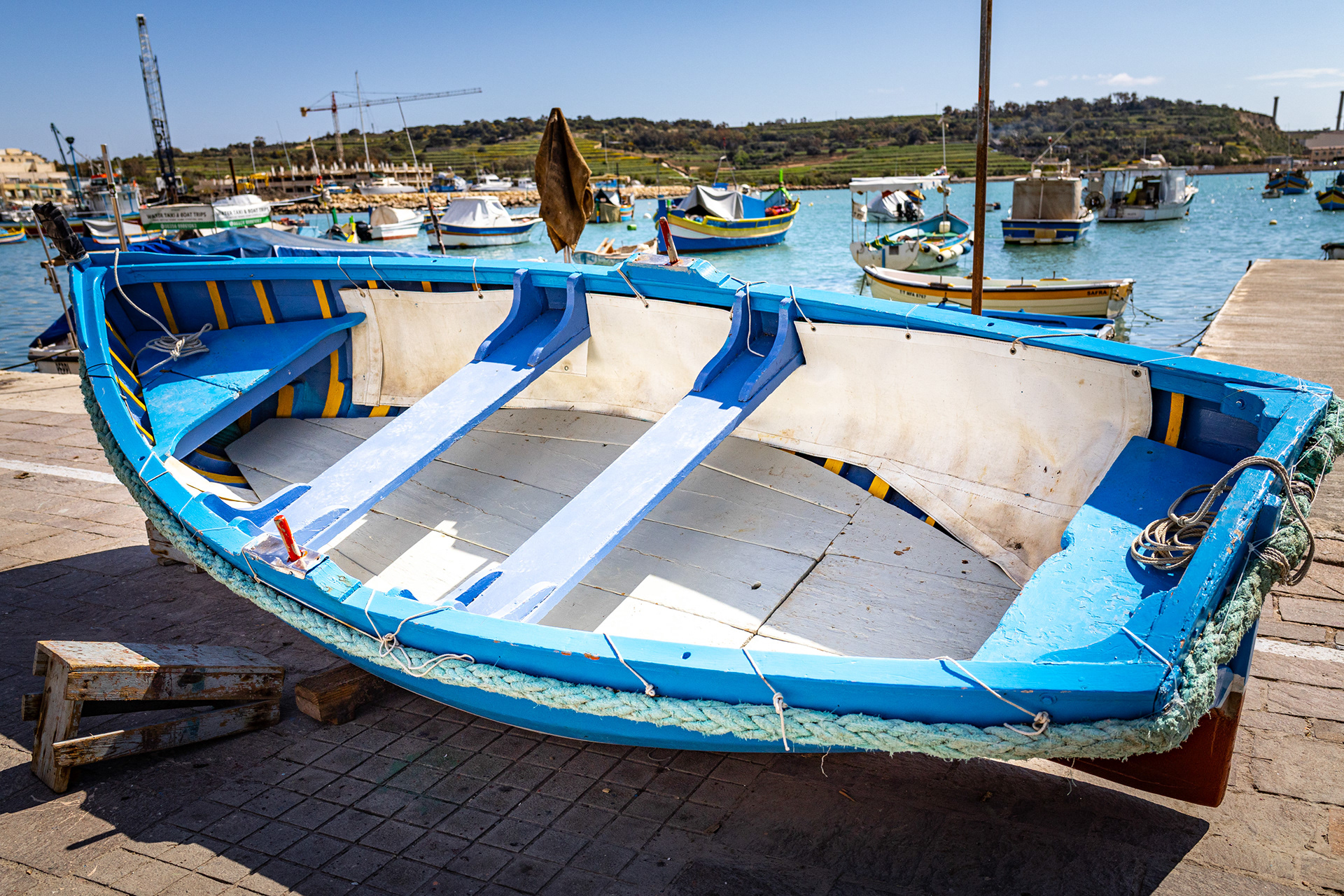
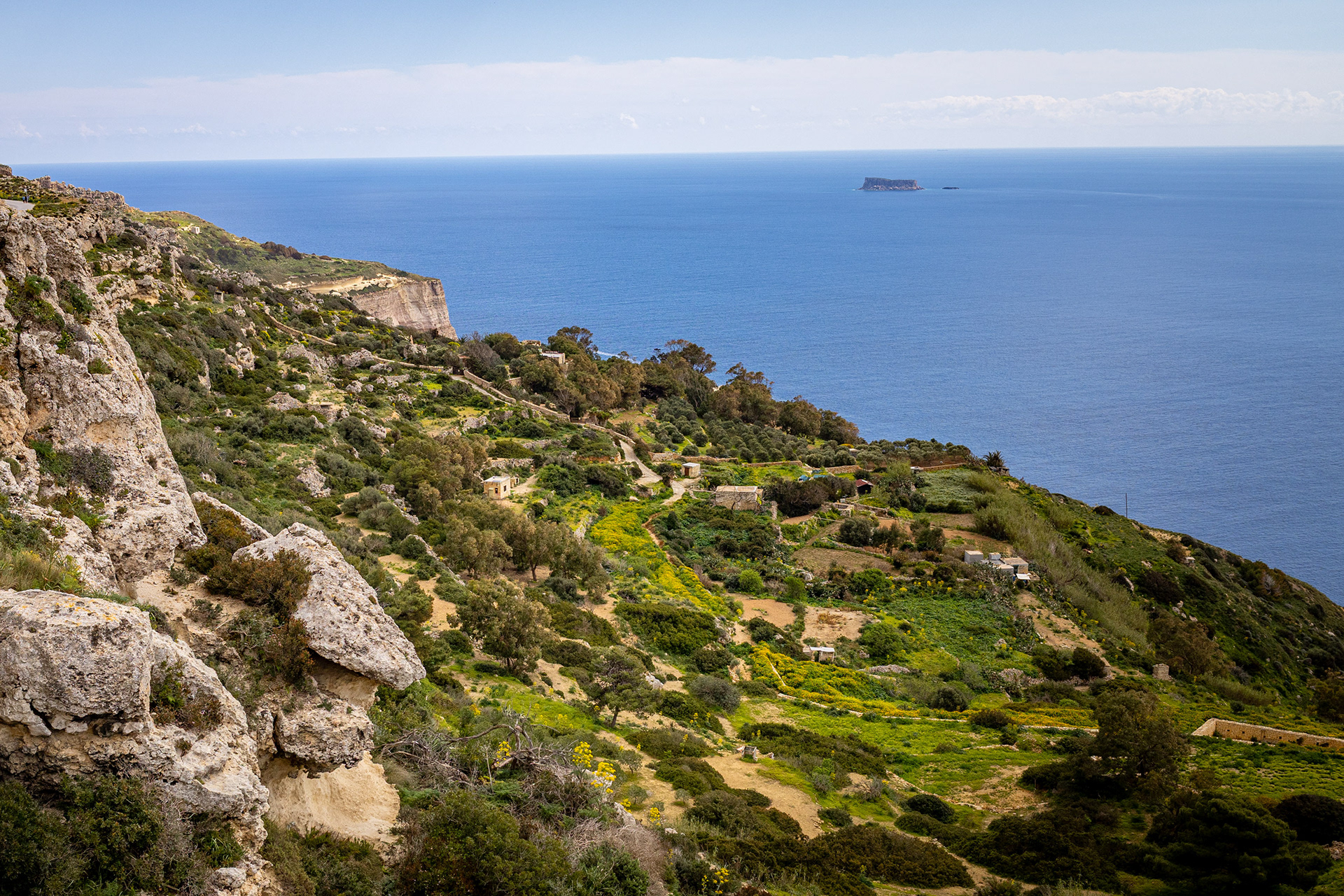
Life on Malta has always been connected to the sea. Harbors, fishing villages, ferries and maritime trade shaped the islands for centuries, making the Mediterranean not a border, but a highway connecting cultures.
PL:
Życie na Malcie od zawsze związane było z morzem. Porty, rybackie wioski, promy i handel morski przez wieki kształtowały wyspy, czyniąc Morze Śródziemne nie granicą, lecz drogą łączącą kultury.
Życie na Malcie od zawsze związane było z morzem. Porty, rybackie wioski, promy i handel morski przez wieki kształtowały wyspy, czyniąc Morze Śródziemne nie granicą, lecz drogą łączącą kultury.
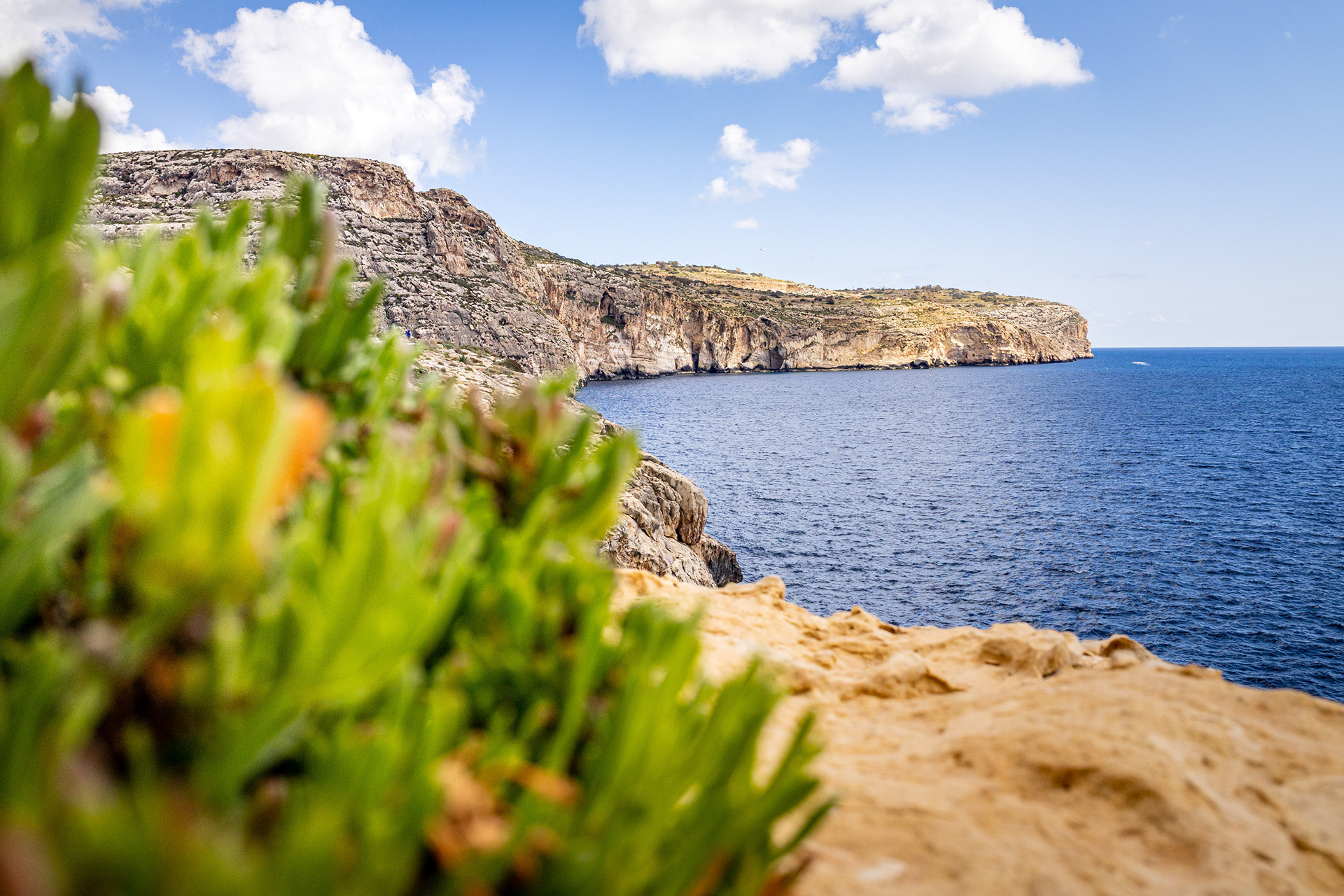
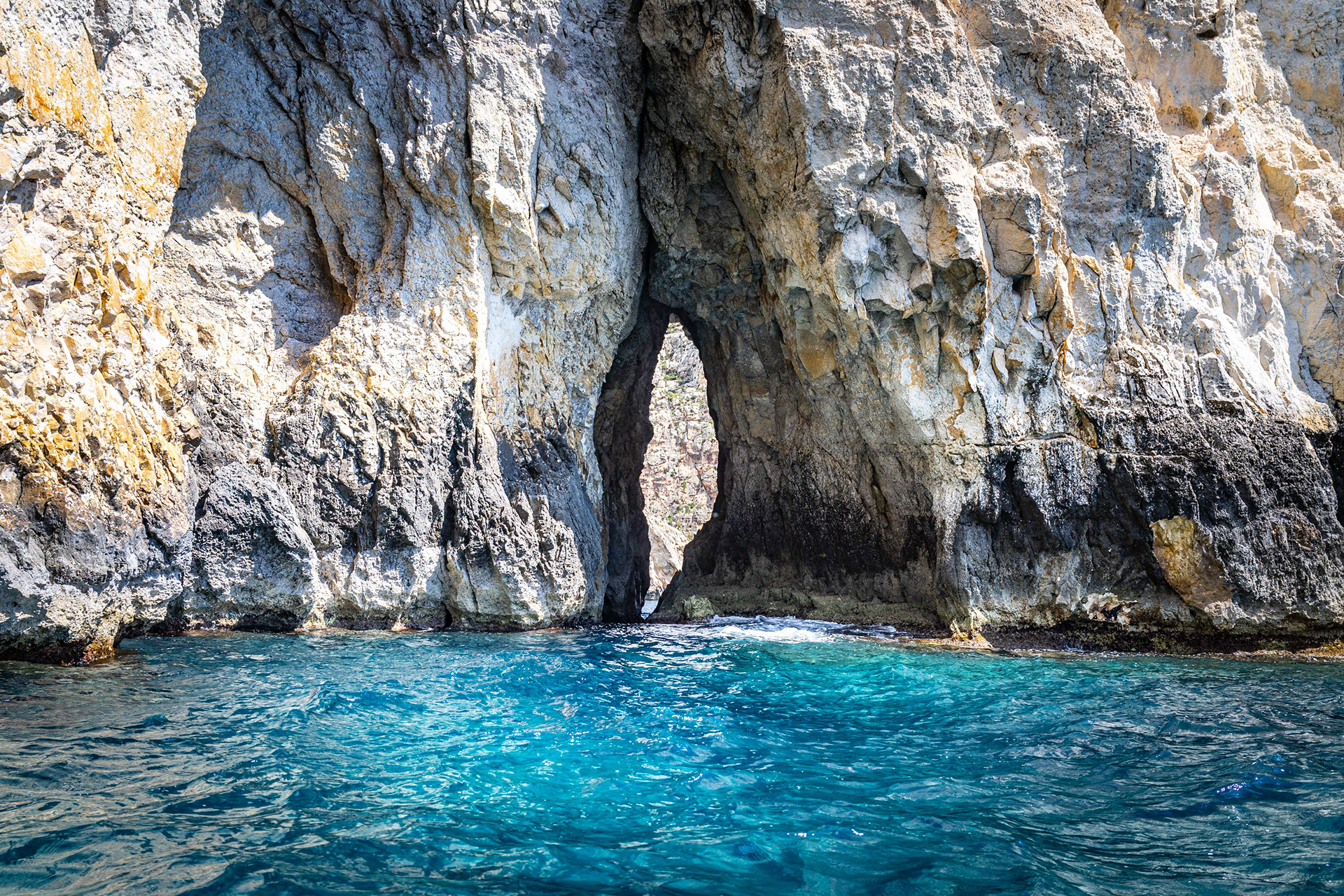
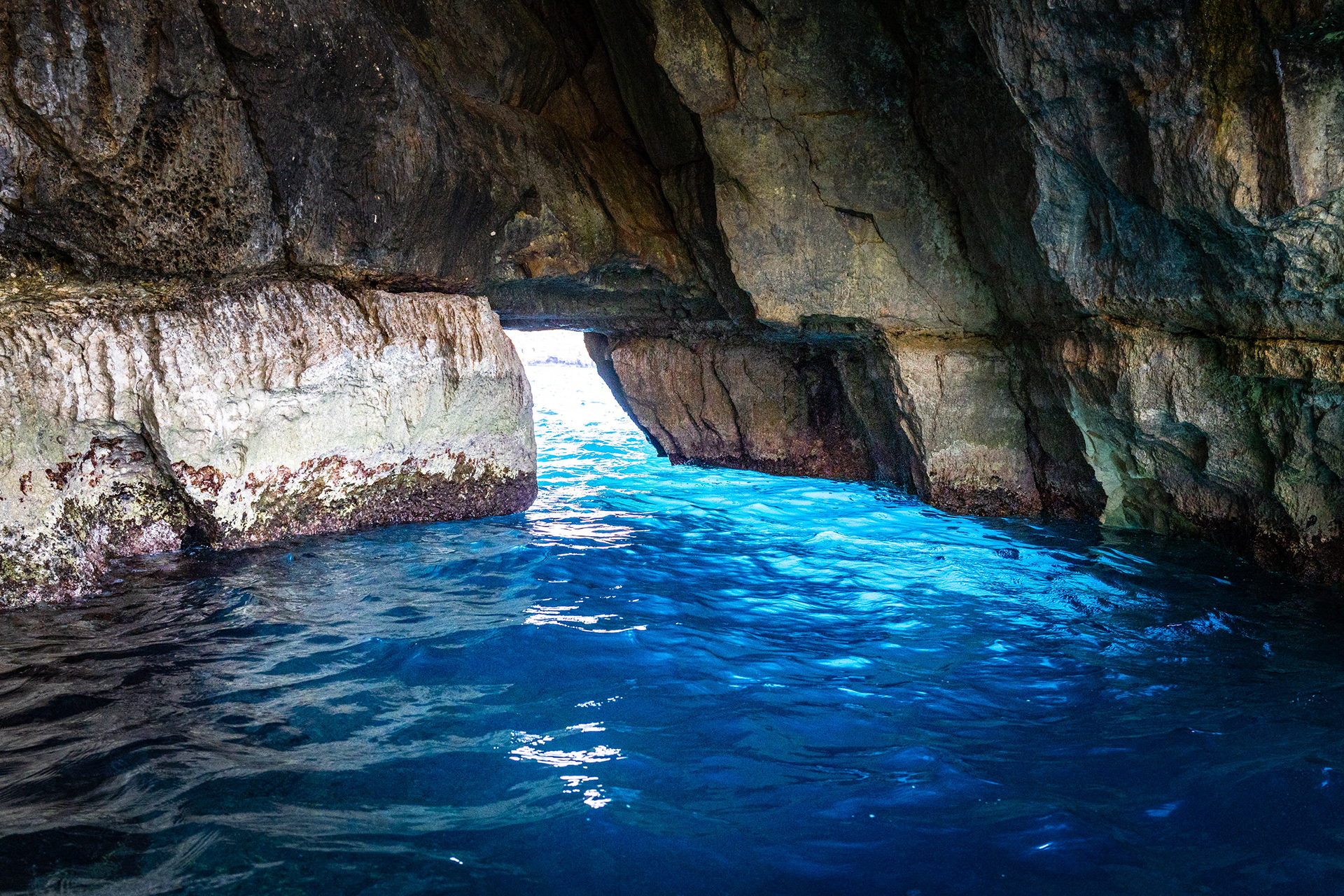
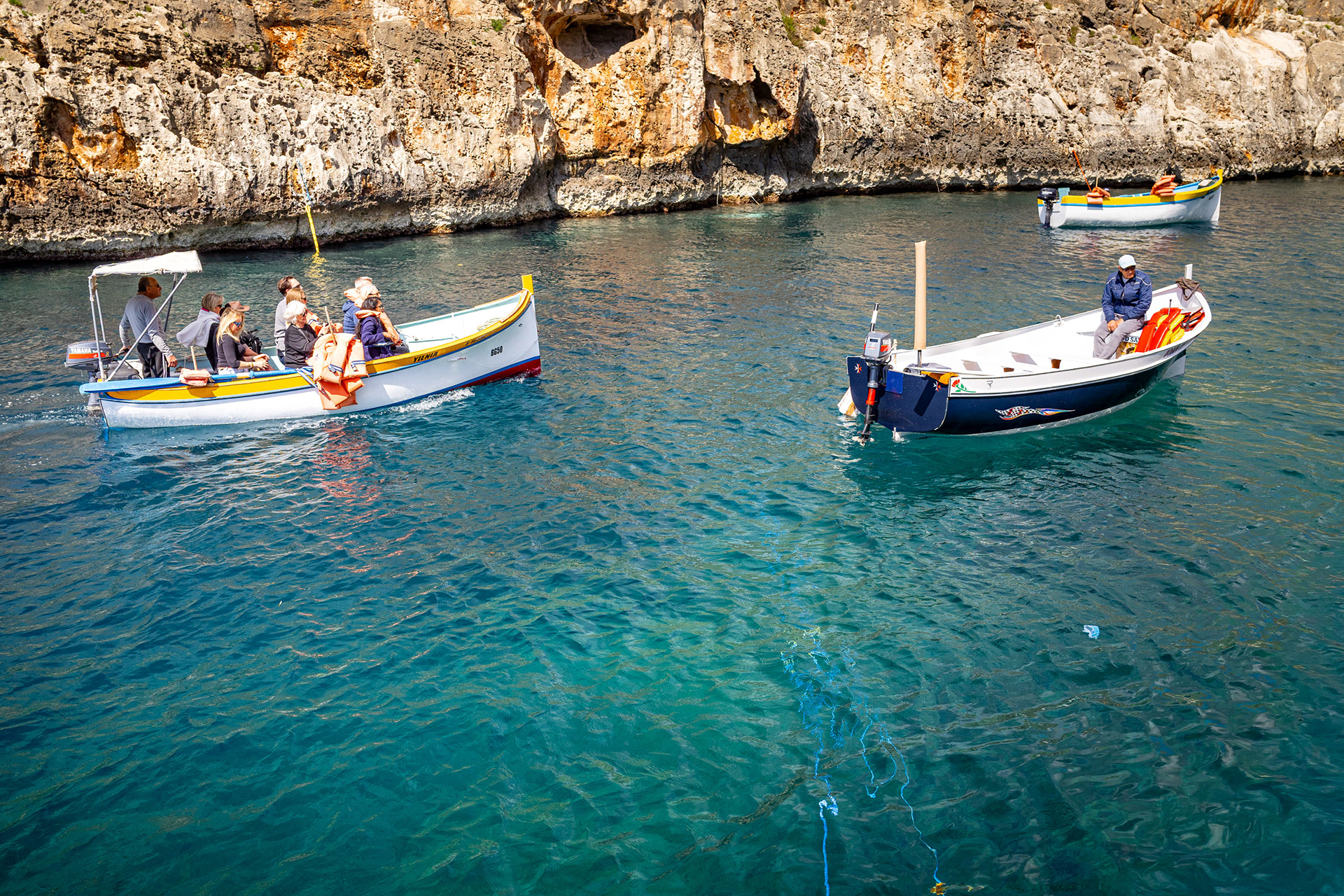
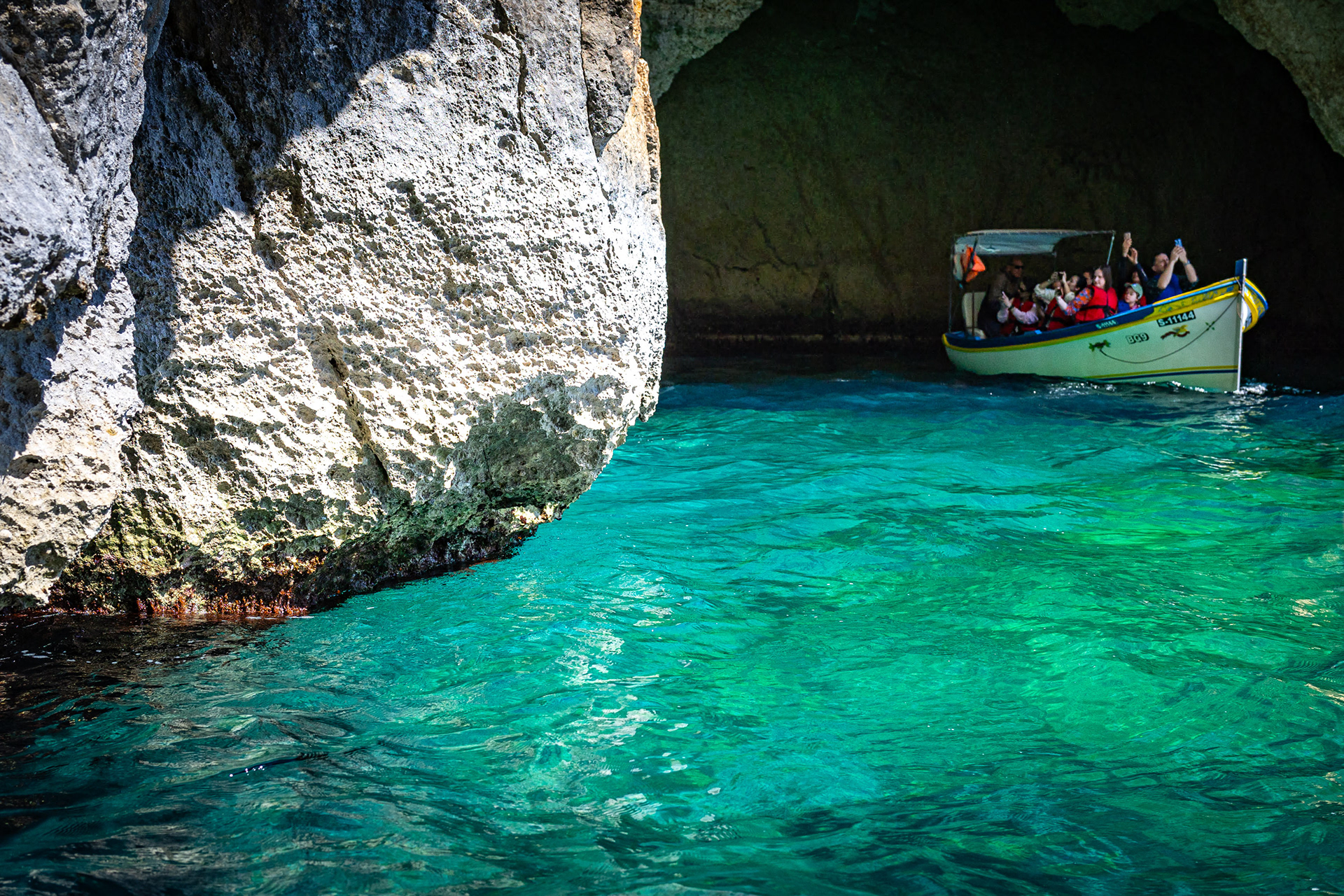
The Blue Grotto is one of Malta's most famous natural landmarks. Sunlight reflecting through the crystal-clear water creates intense shades of blue that illuminate the sea caves beneath the cliffs. The effect is most spectacular in the morning, when the angle of the sun transforms the water into a natural mirror.
PL:
Błękitna Grota należy do najbardziej znanych cudów natury na Malcie. Światło słoneczne odbijające się od krystalicznie czystej wody tworzy intensywne odcienie błękitu, rozświetlające morskie jaskinie ukryte pod klifami. Najbardziej spektakularny efekt można zobaczyć rano, gdy odpowiedni kąt padania promieni zamienia wodę w naturalne lustro.
Błękitna Grota należy do najbardziej znanych cudów natury na Malcie. Światło słoneczne odbijające się od krystalicznie czystej wody tworzy intensywne odcienie błękitu, rozświetlające morskie jaskinie ukryte pod klifami. Najbardziej spektakularny efekt można zobaczyć rano, gdy odpowiedni kąt padania promieni zamienia wodę w naturalne lustro.
These photographs explore Malta through its fortifications, Mediterranean light, historic streets and the traces left by centuries of civilizations.
PL:
Te fotografie pokazują Maltę poprzez jej fortyfikacje, śródziemnomorskie światło, historyczne uliczki i ślady pozostawione przez kolejne cywilizacje.
Te fotografie pokazują Maltę poprzez jej fortyfikacje, śródziemnomorskie światło, historyczne uliczki i ślady pozostawione przez kolejne cywilizacje.
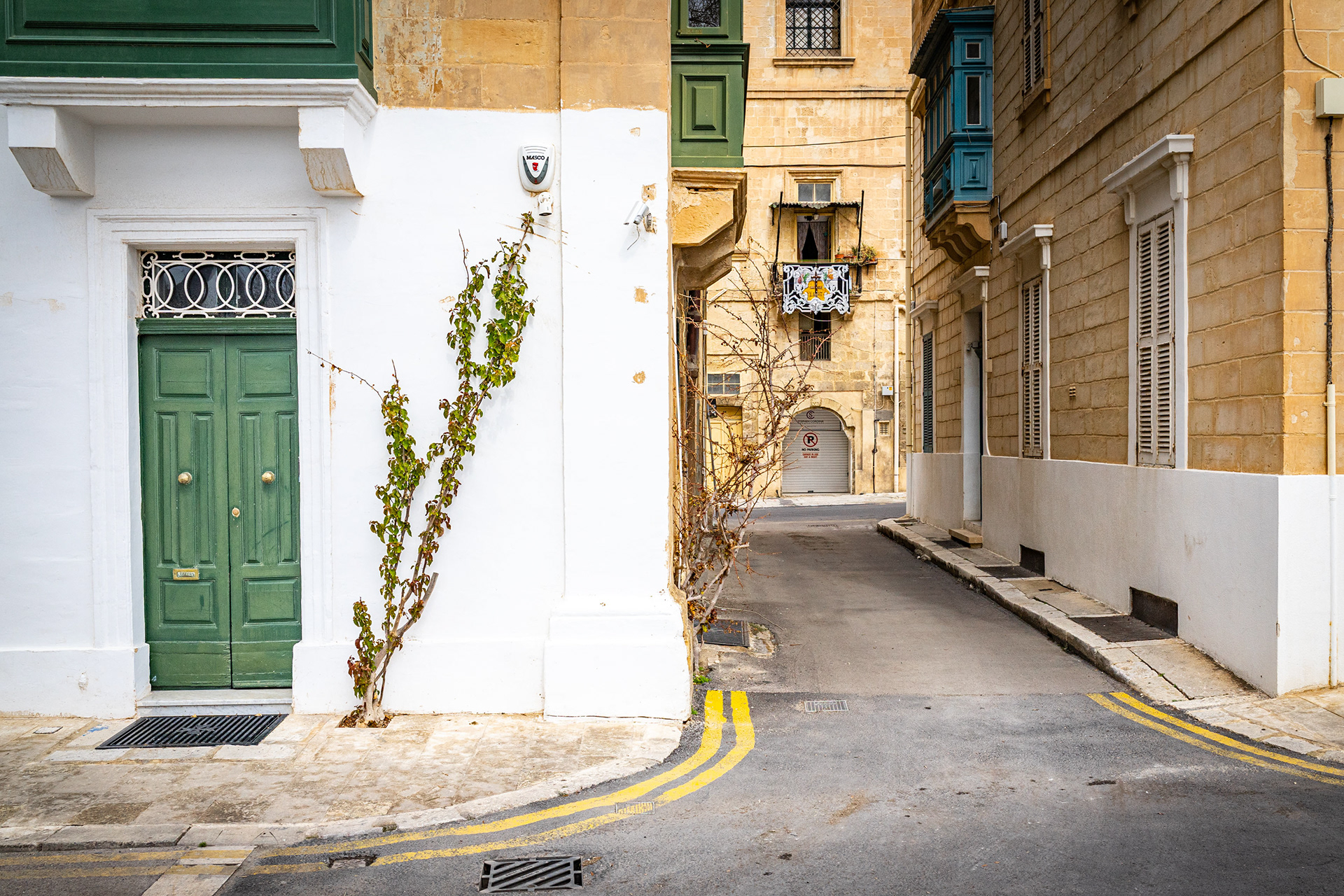
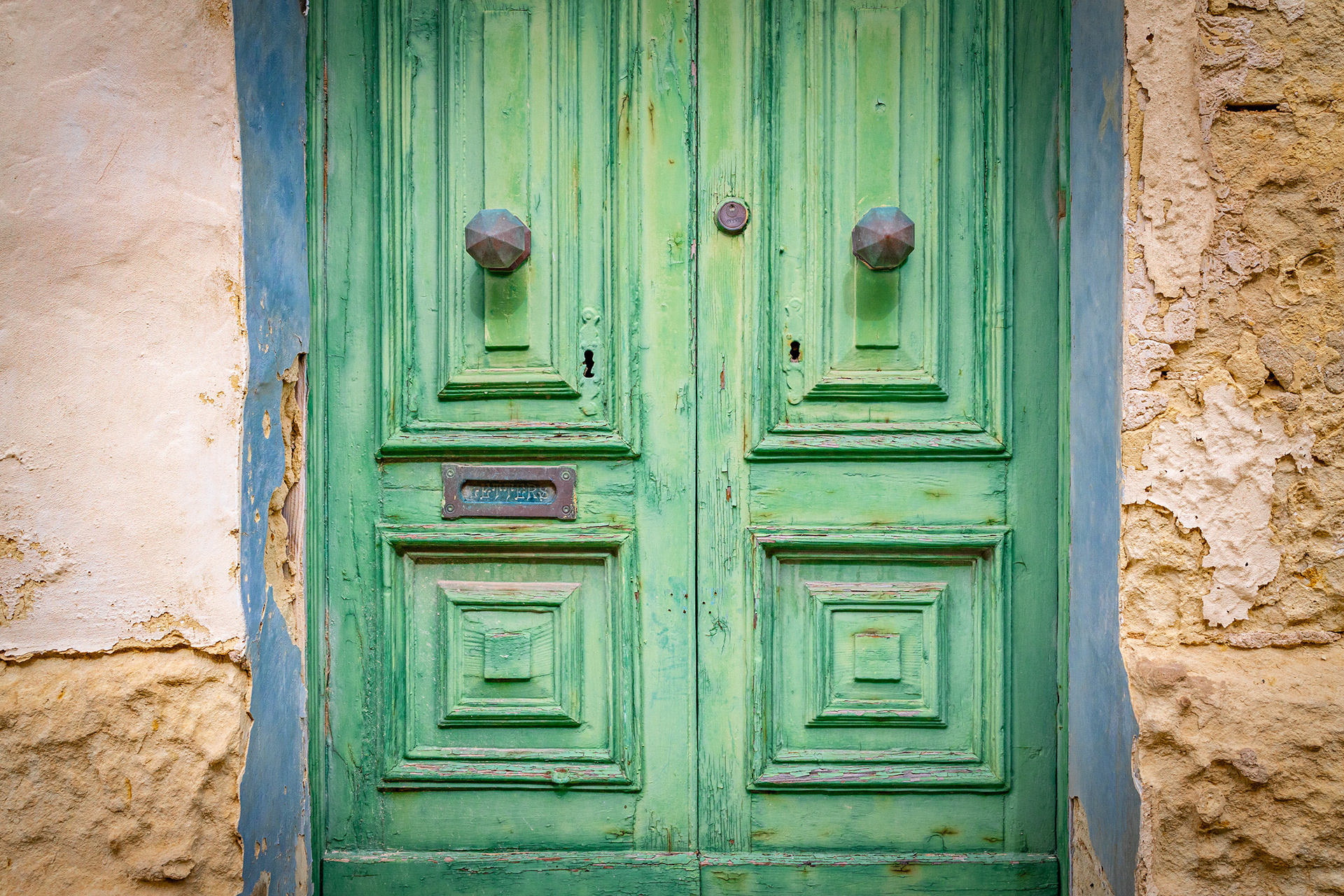
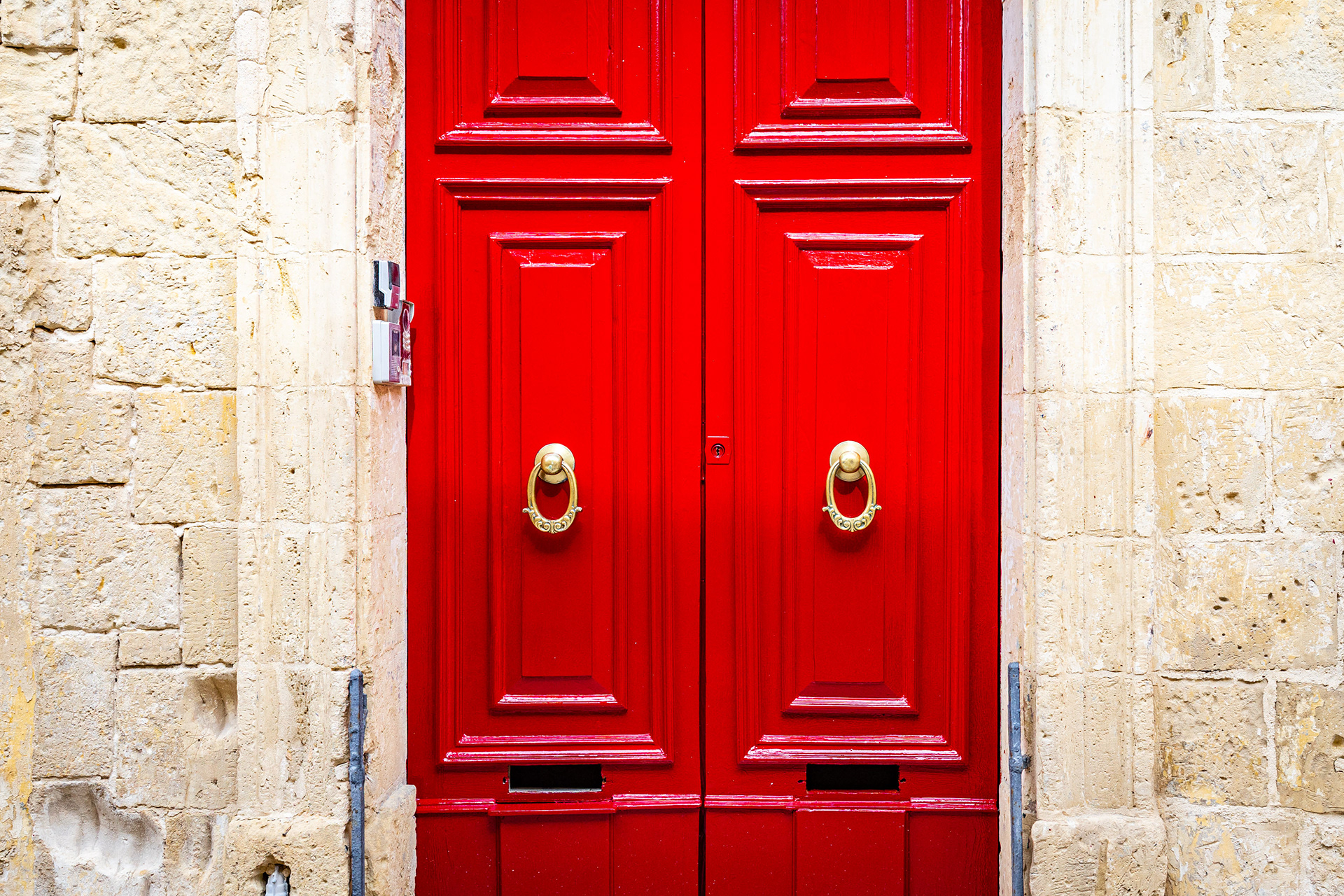
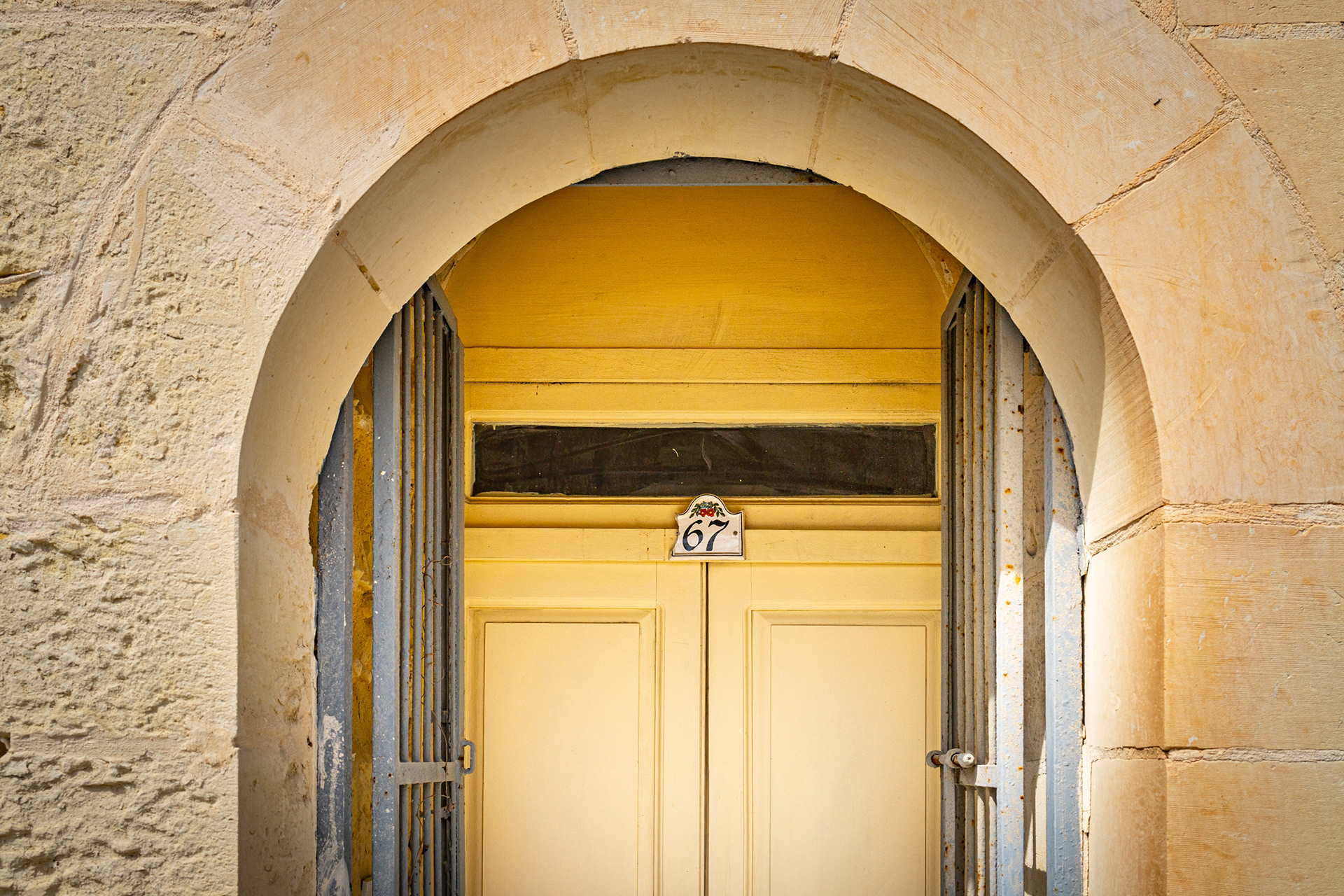
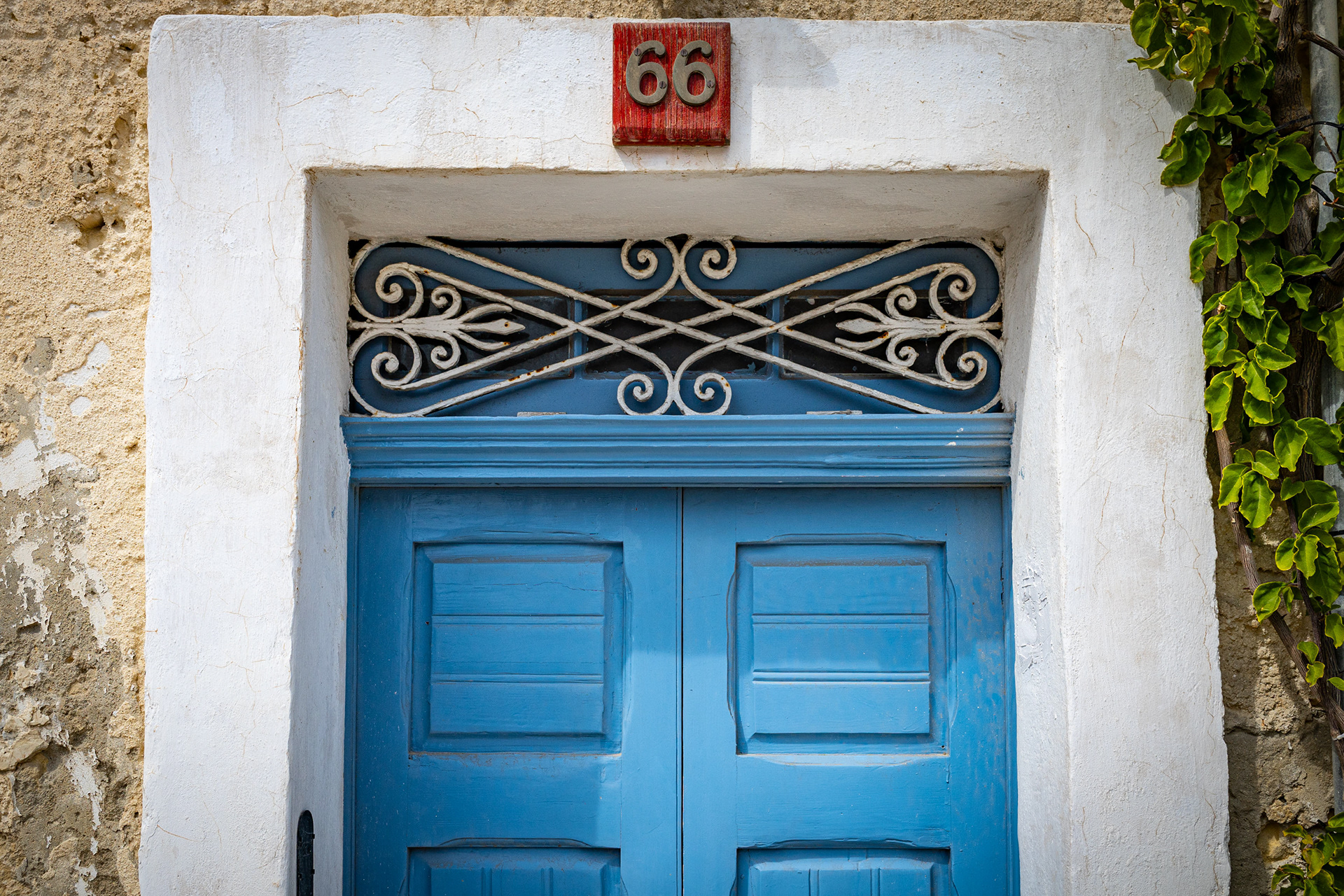
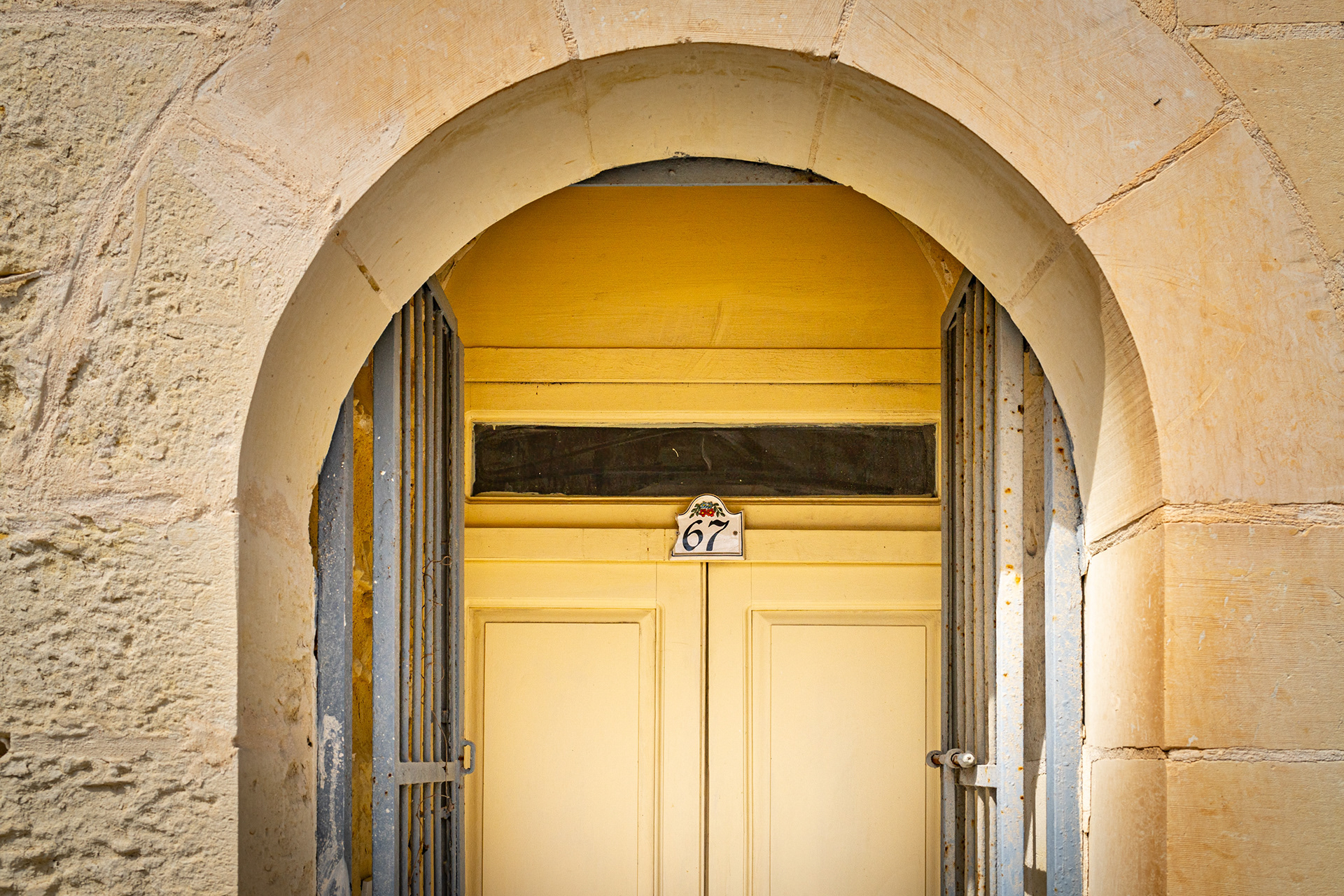
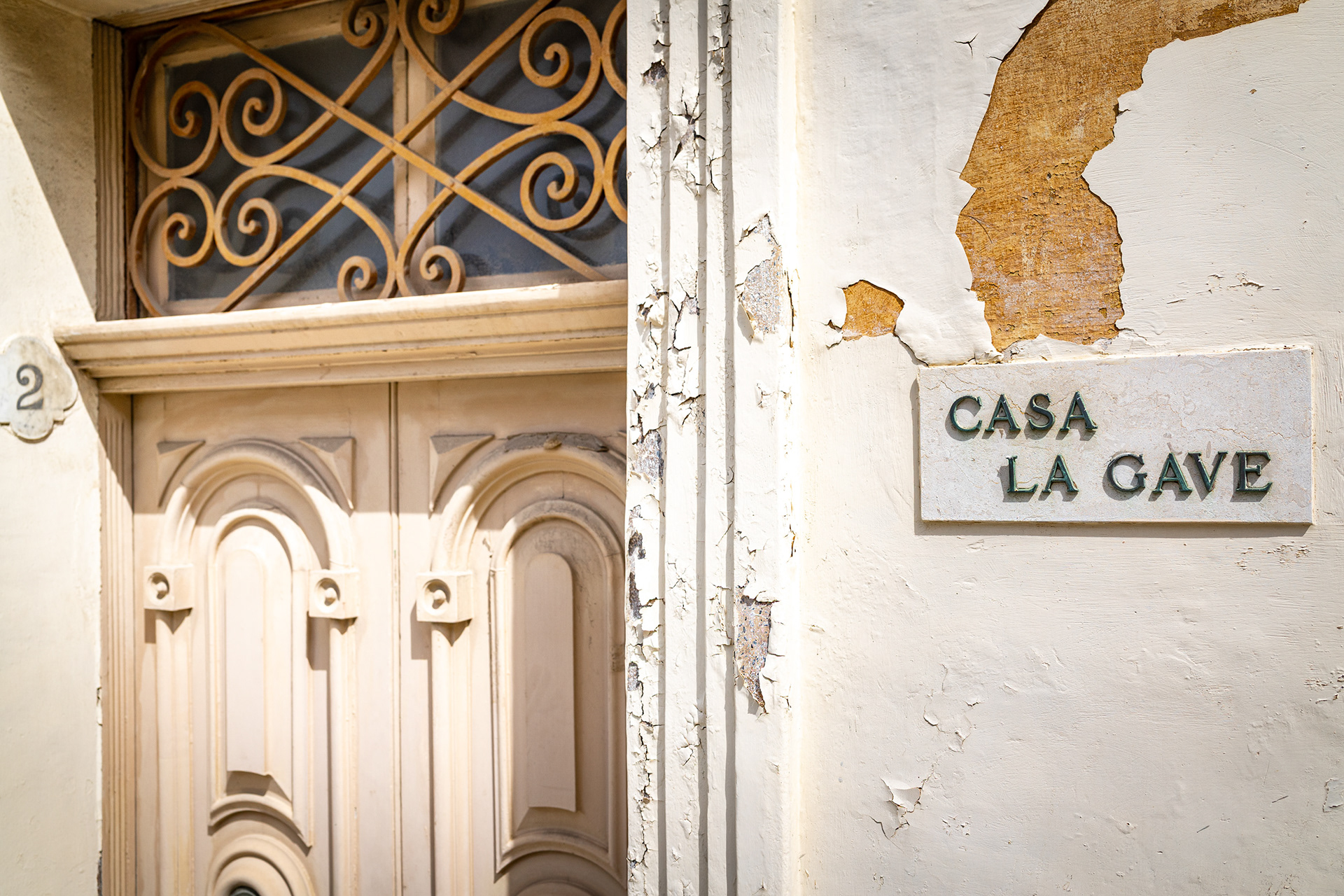
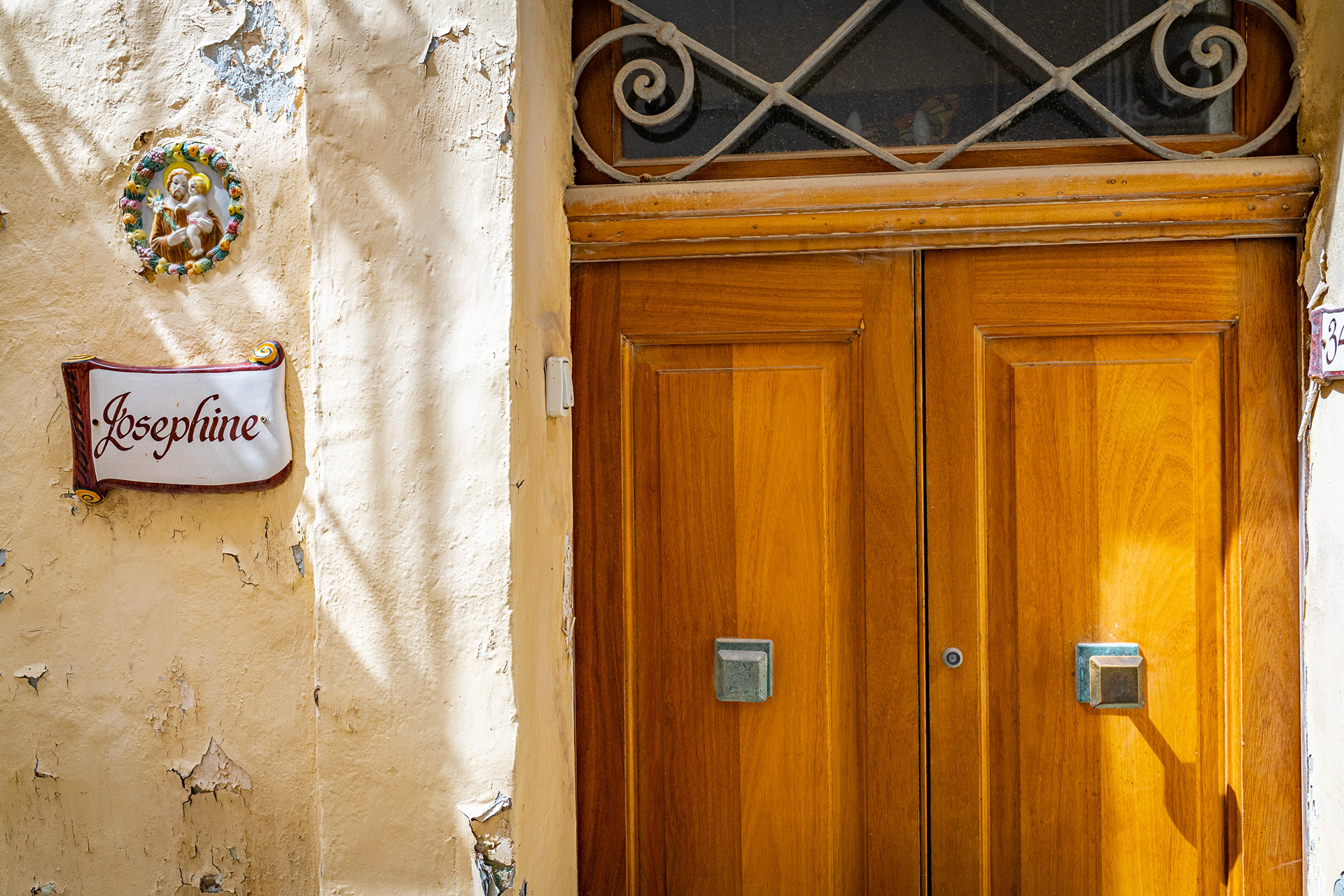
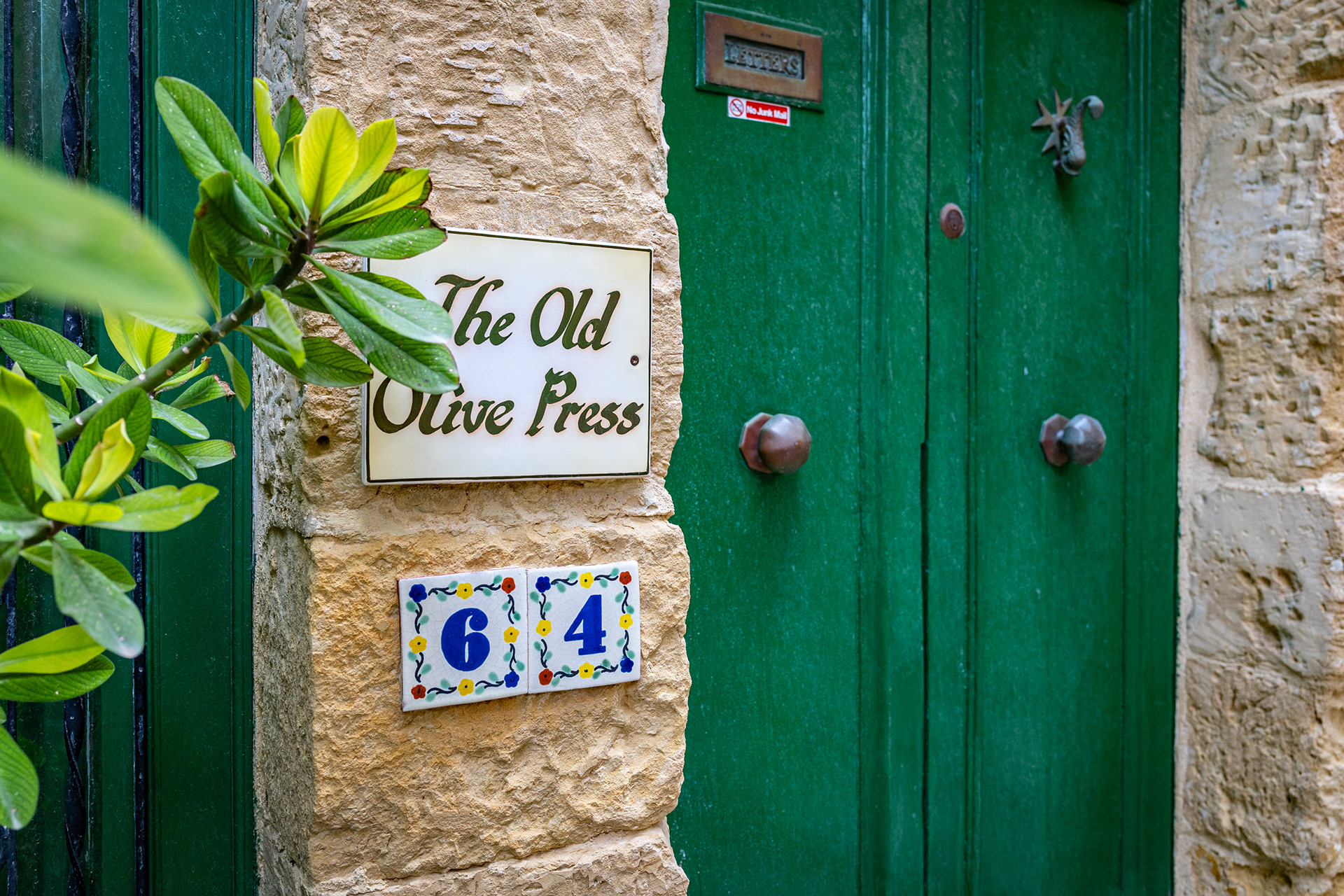
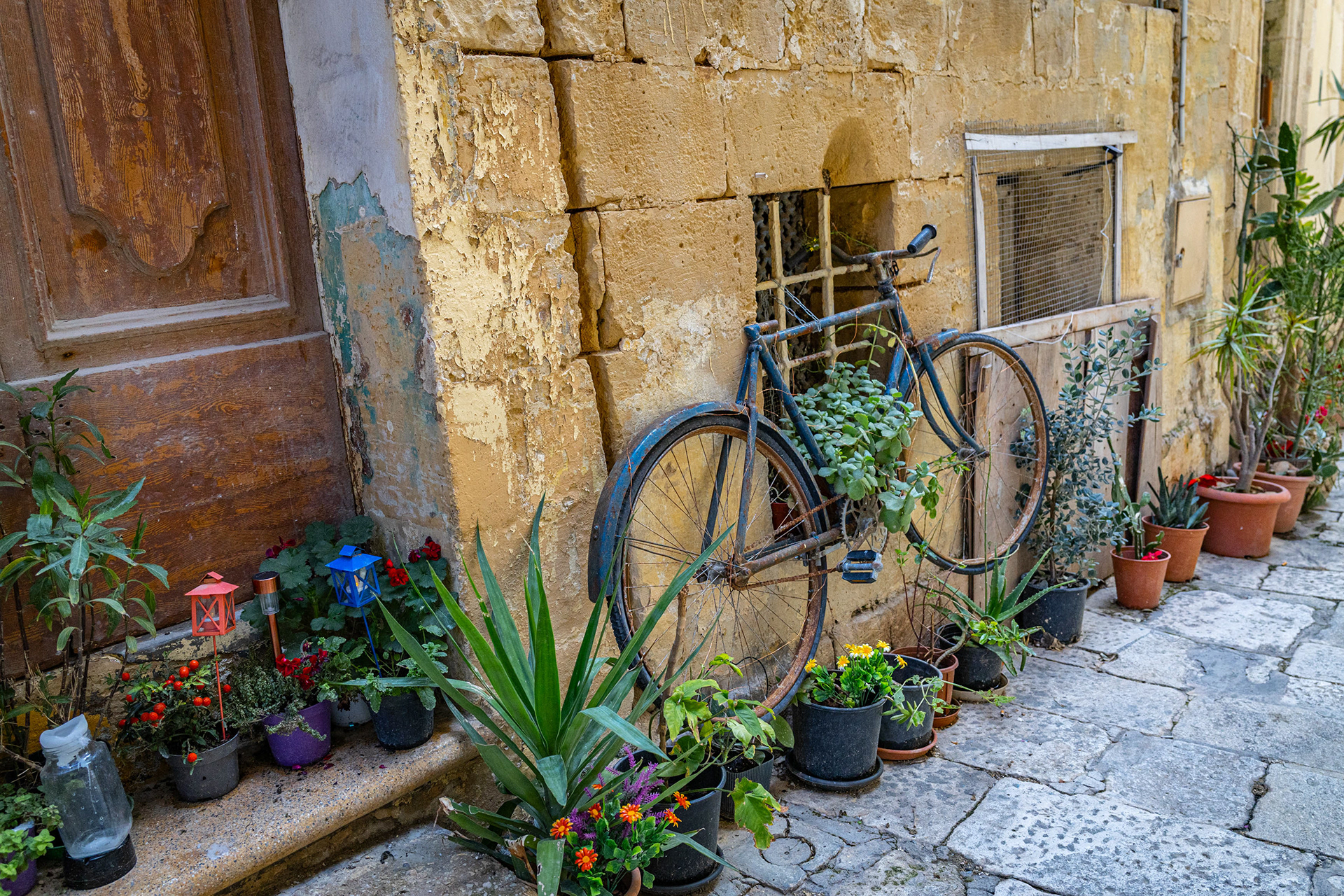
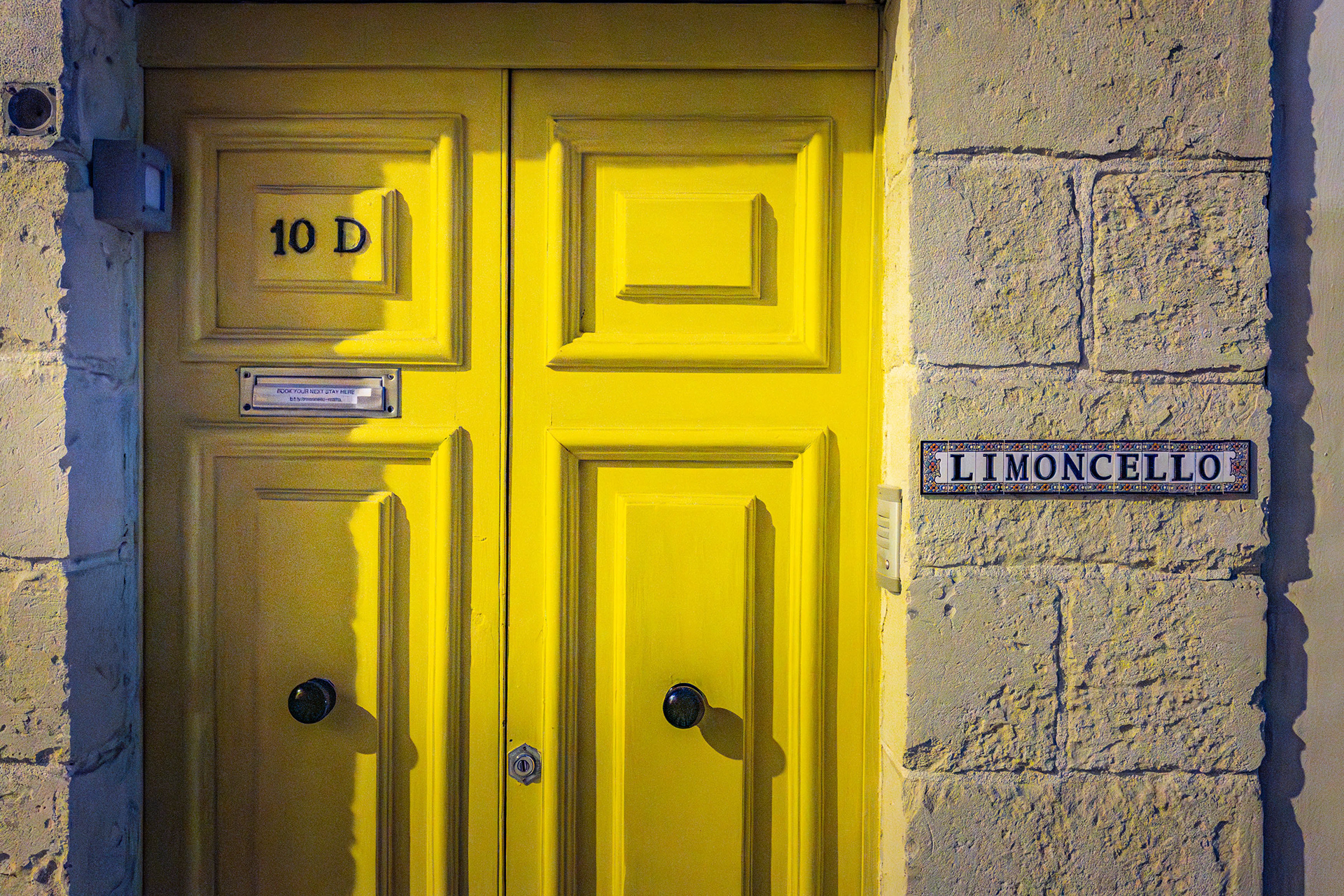
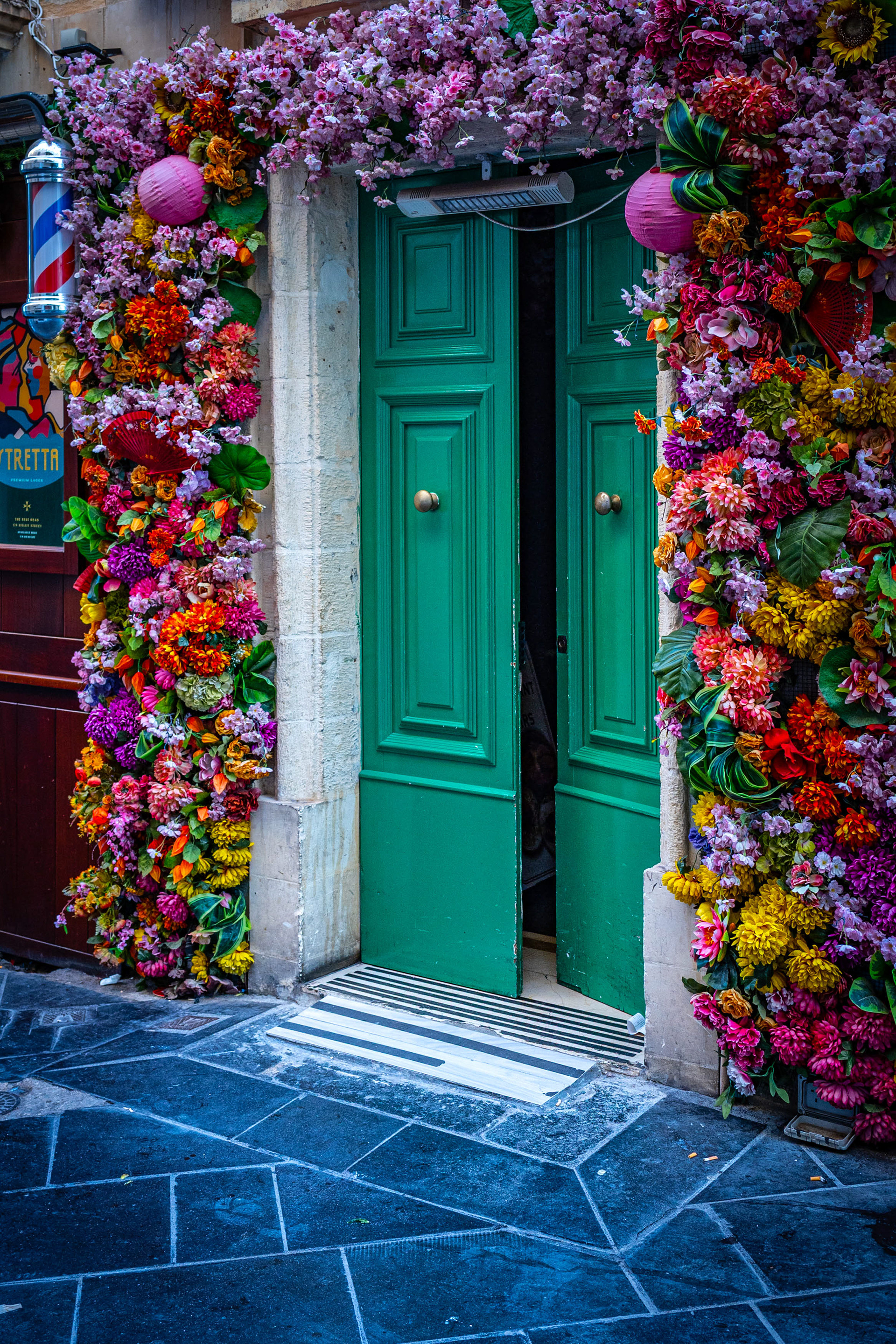
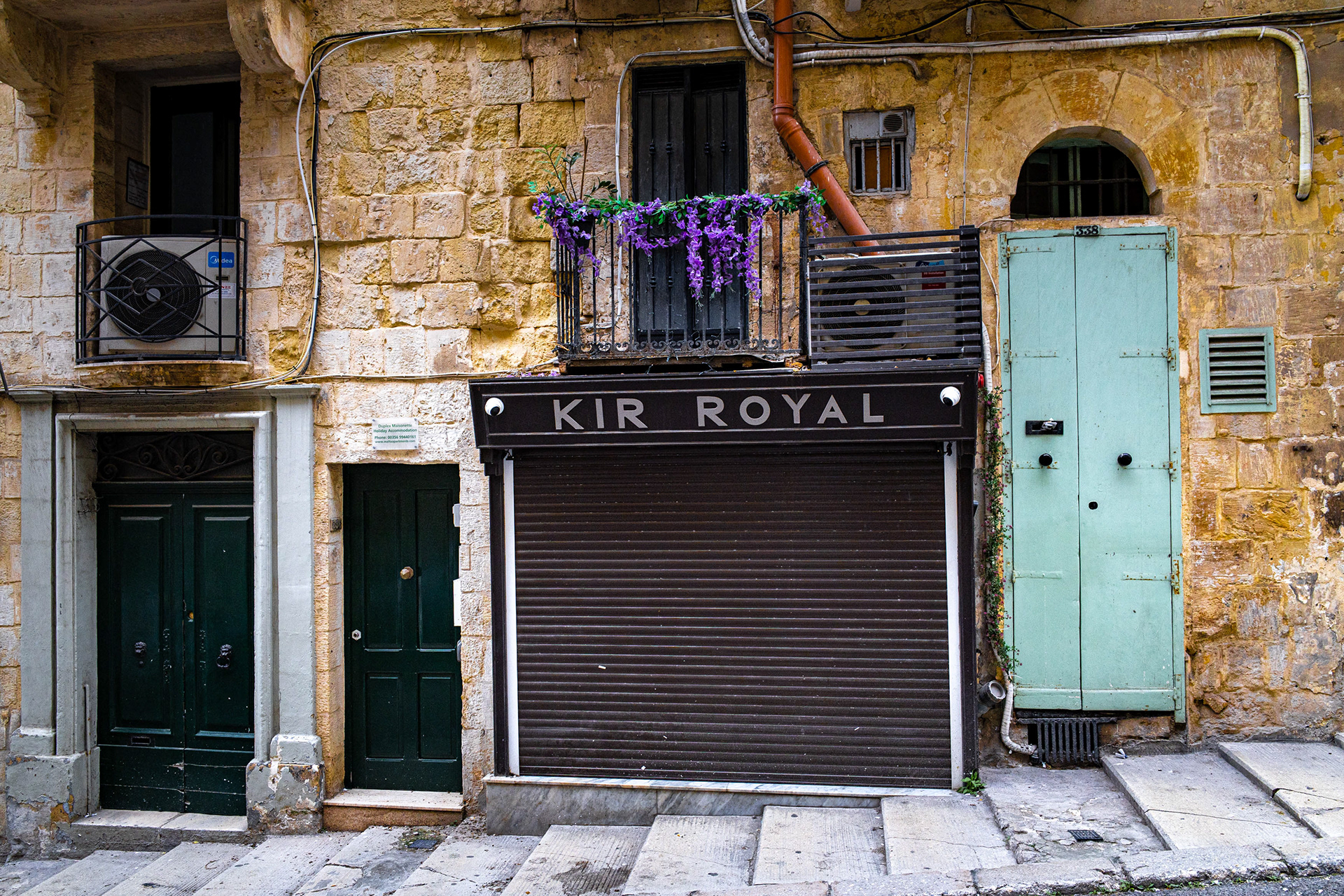
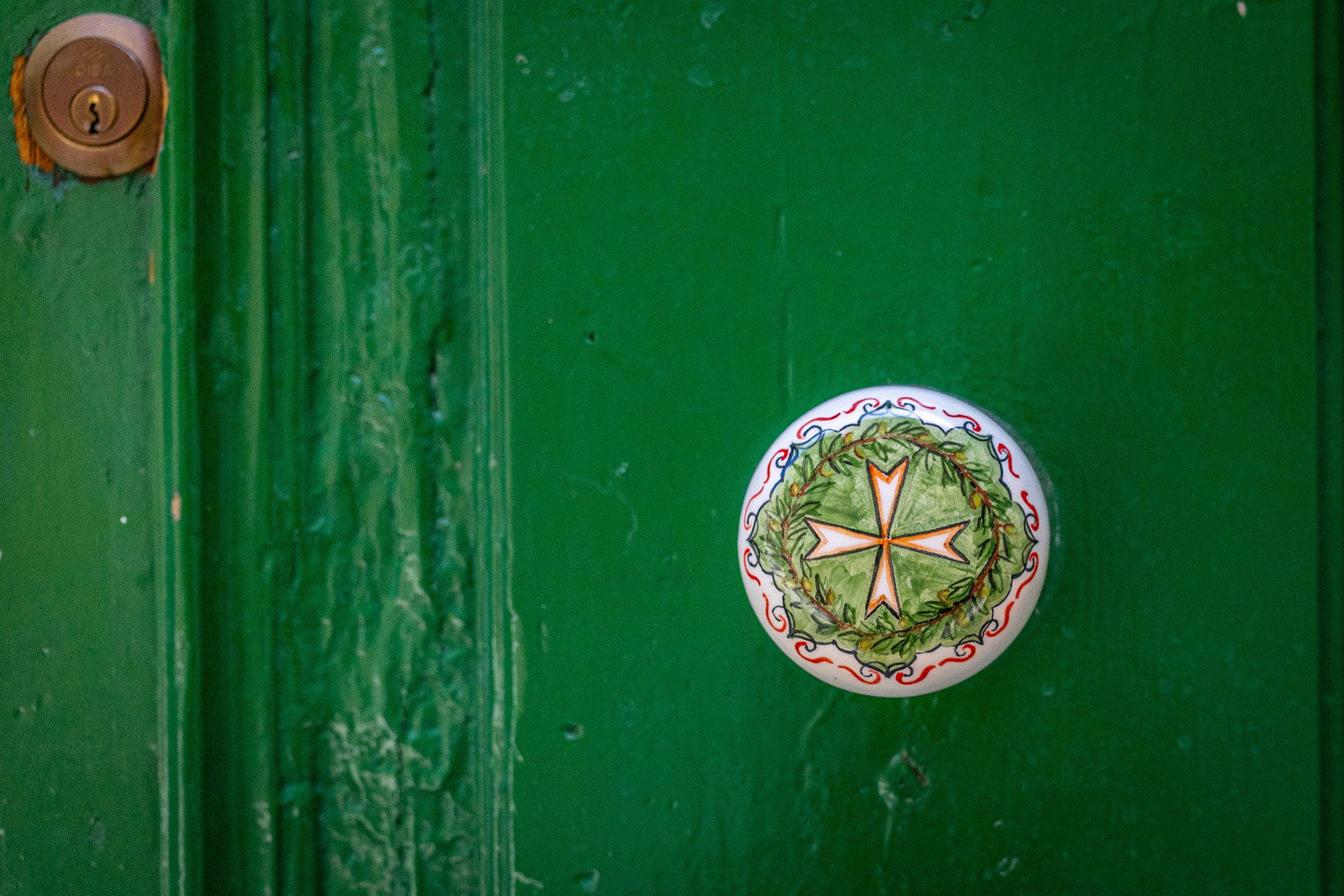
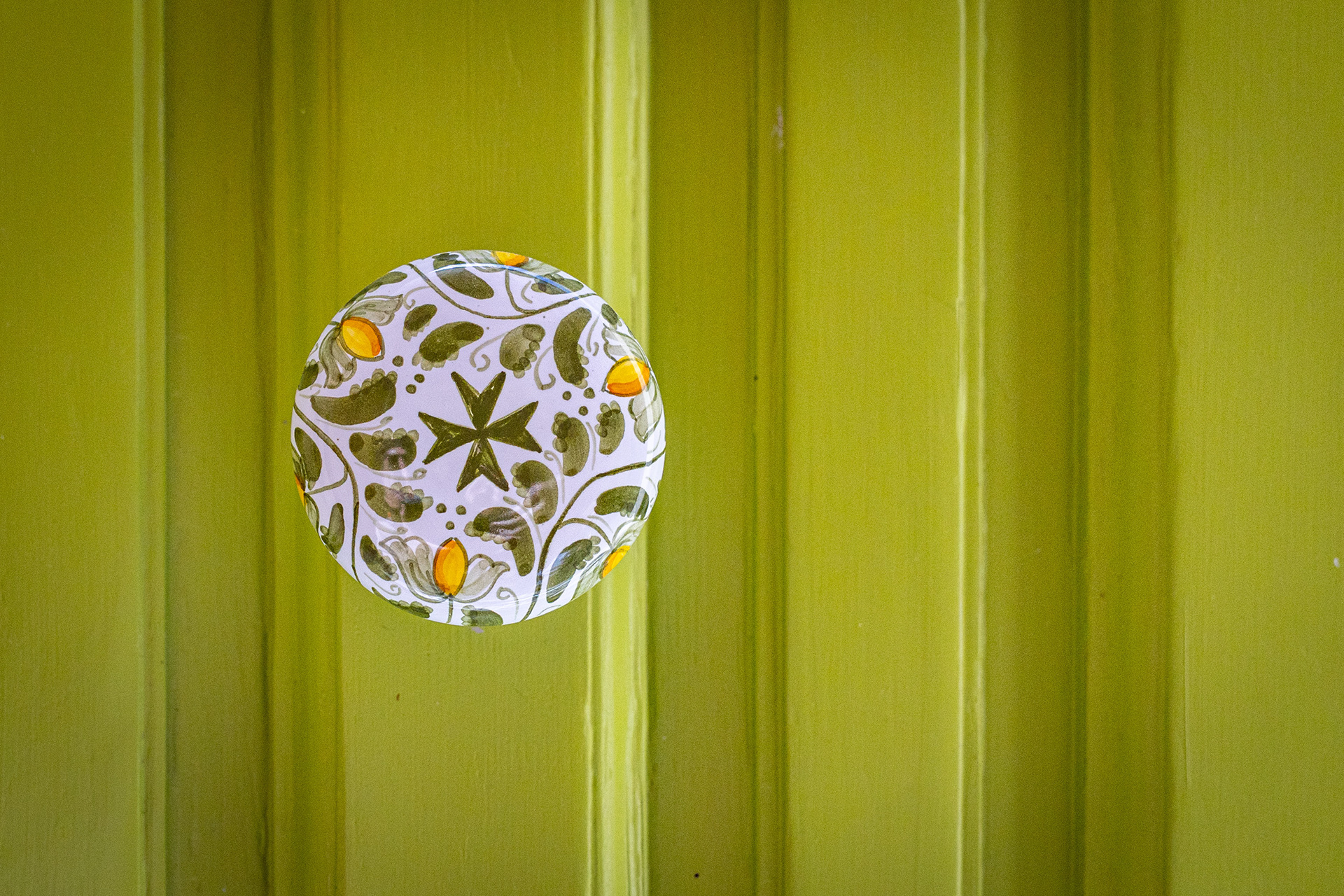
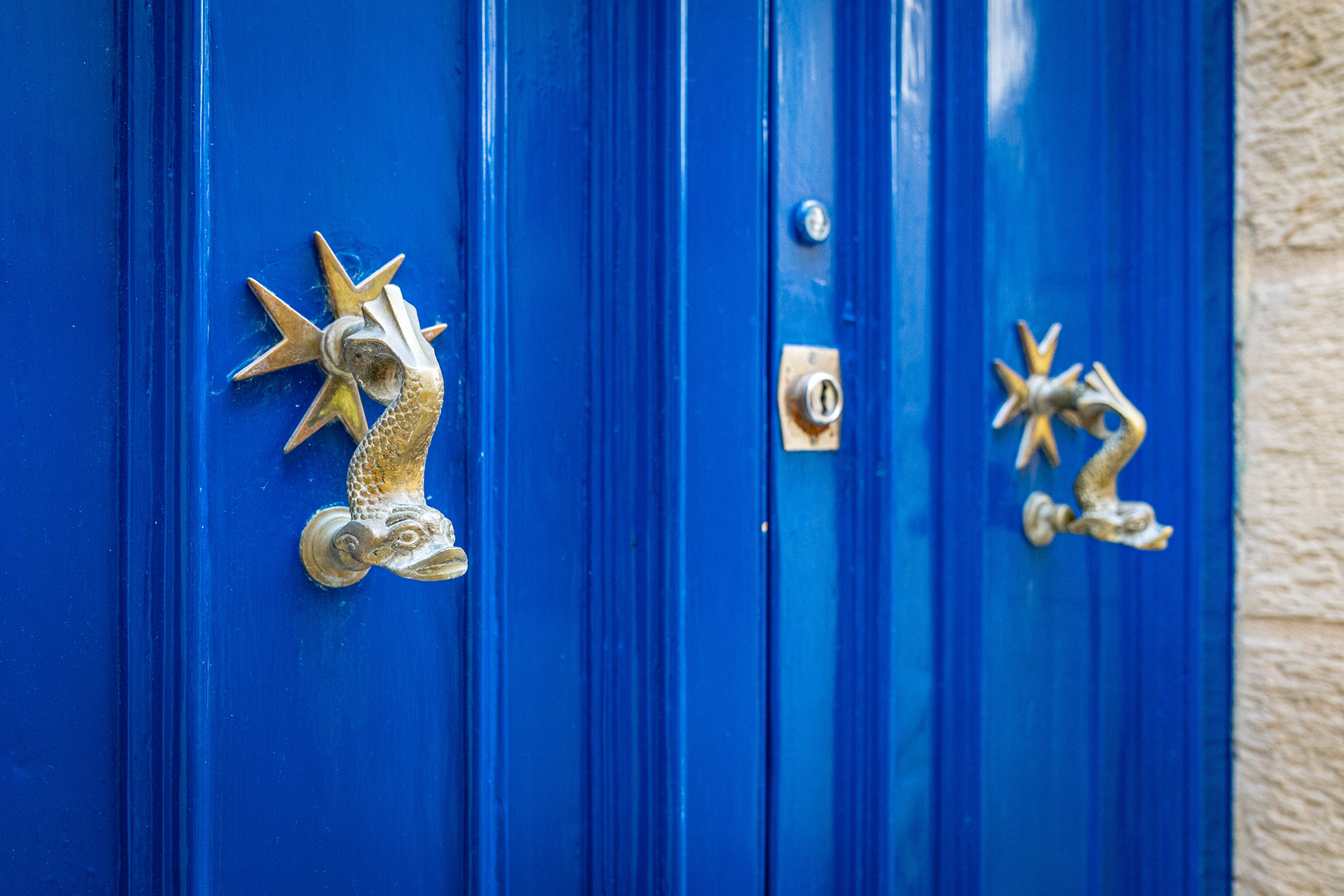
Walking through Malta's towns often means noticing the details before the buildings themselves. Brightly painted doors, ornate knockers and handcrafted decorations transform ordinary facades into expressions of personal identity. No two streets seem exactly alike, and each entrance feels like a small story waiting to be discovered.
PL:
Spacerując po maltańskich miastach, często najpierw dostrzega się detale, a dopiero później same budynki. Intensywnie kolorowe drzwi, ozdobne kołatki i ręcznie wykonane dekoracje zamieniają zwykłe fasady w wyraz osobowości ich mieszkańców. Trudno znaleźć dwie identyczne ulice, a każde wejście wydaje się opowiadać własną historię.
Spacerując po maltańskich miastach, często najpierw dostrzega się detale, a dopiero później same budynki. Intensywnie kolorowe drzwi, ozdobne kołatki i ręcznie wykonane dekoracje zamieniają zwykłe fasady w wyraz osobowości ich mieszkańców. Trudno znaleźć dwie identyczne ulice, a każde wejście wydaje się opowiadać własną historię.
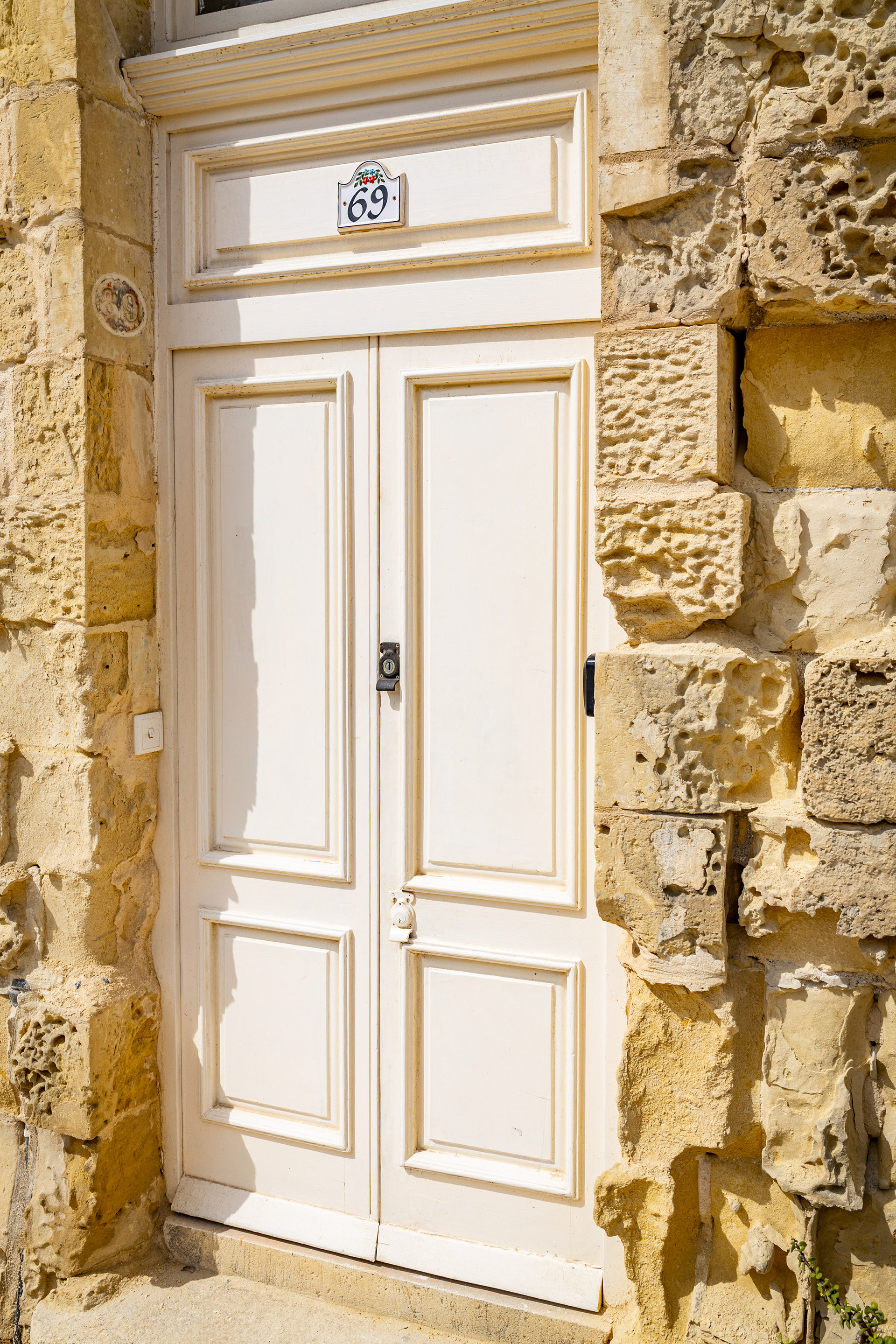
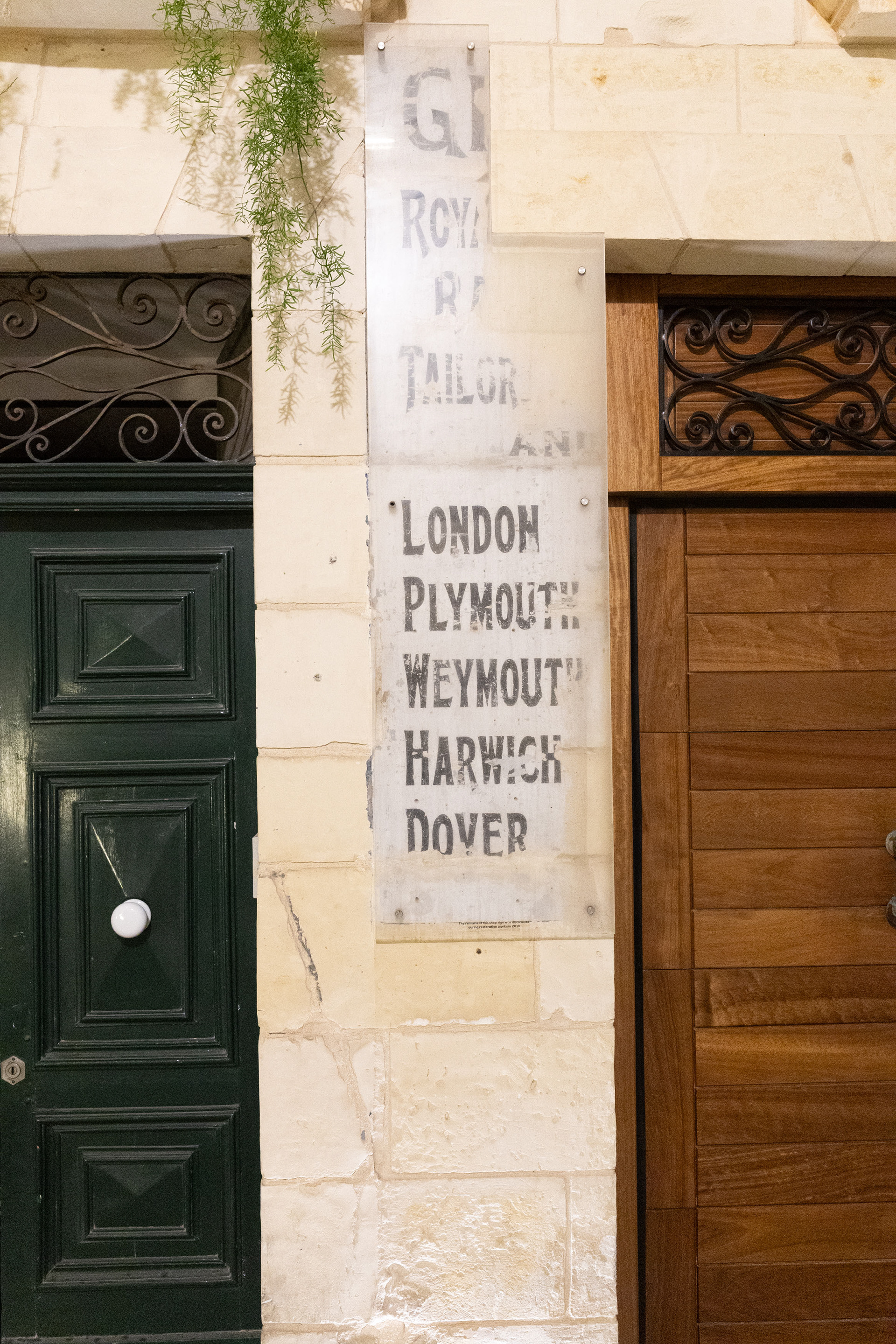
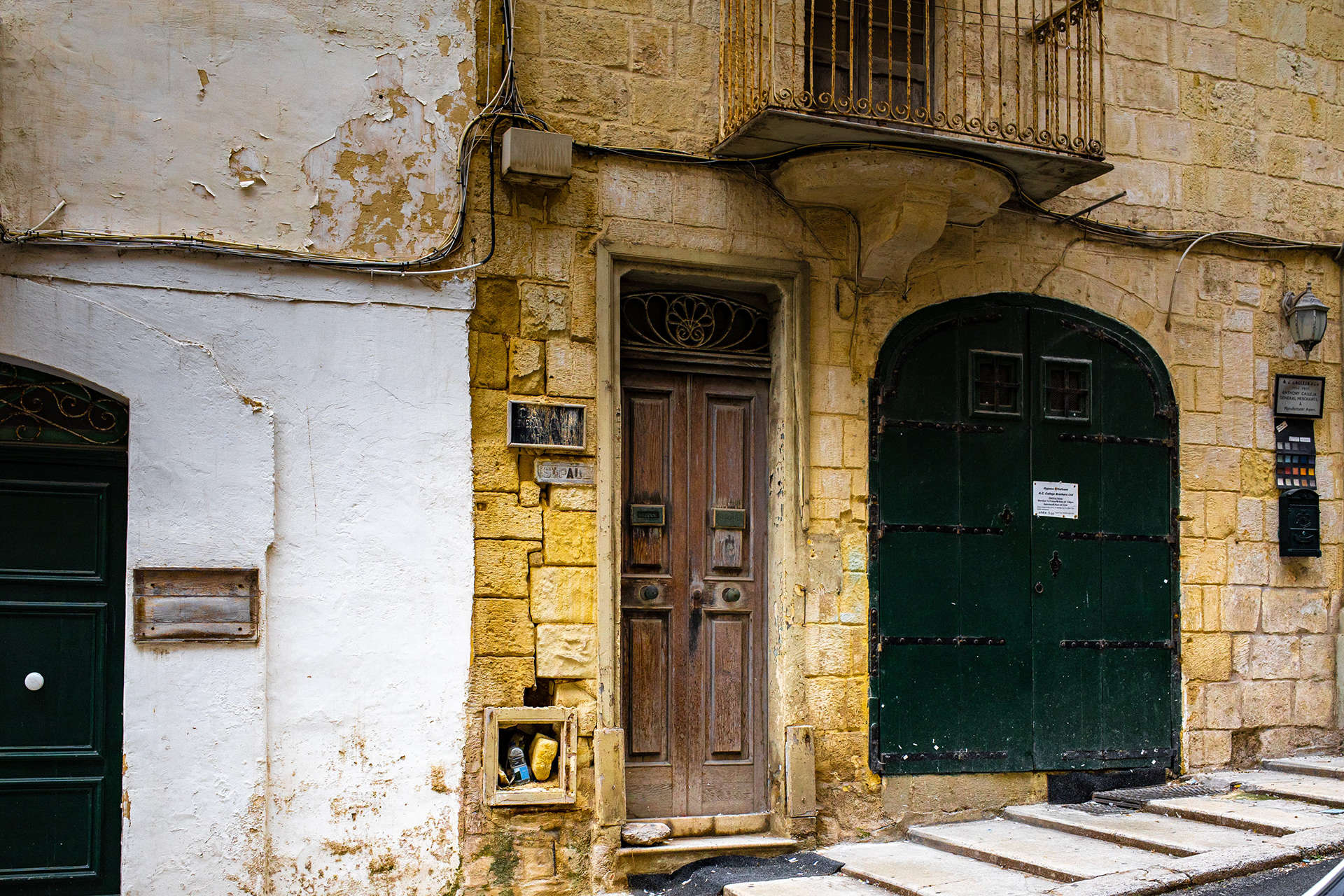
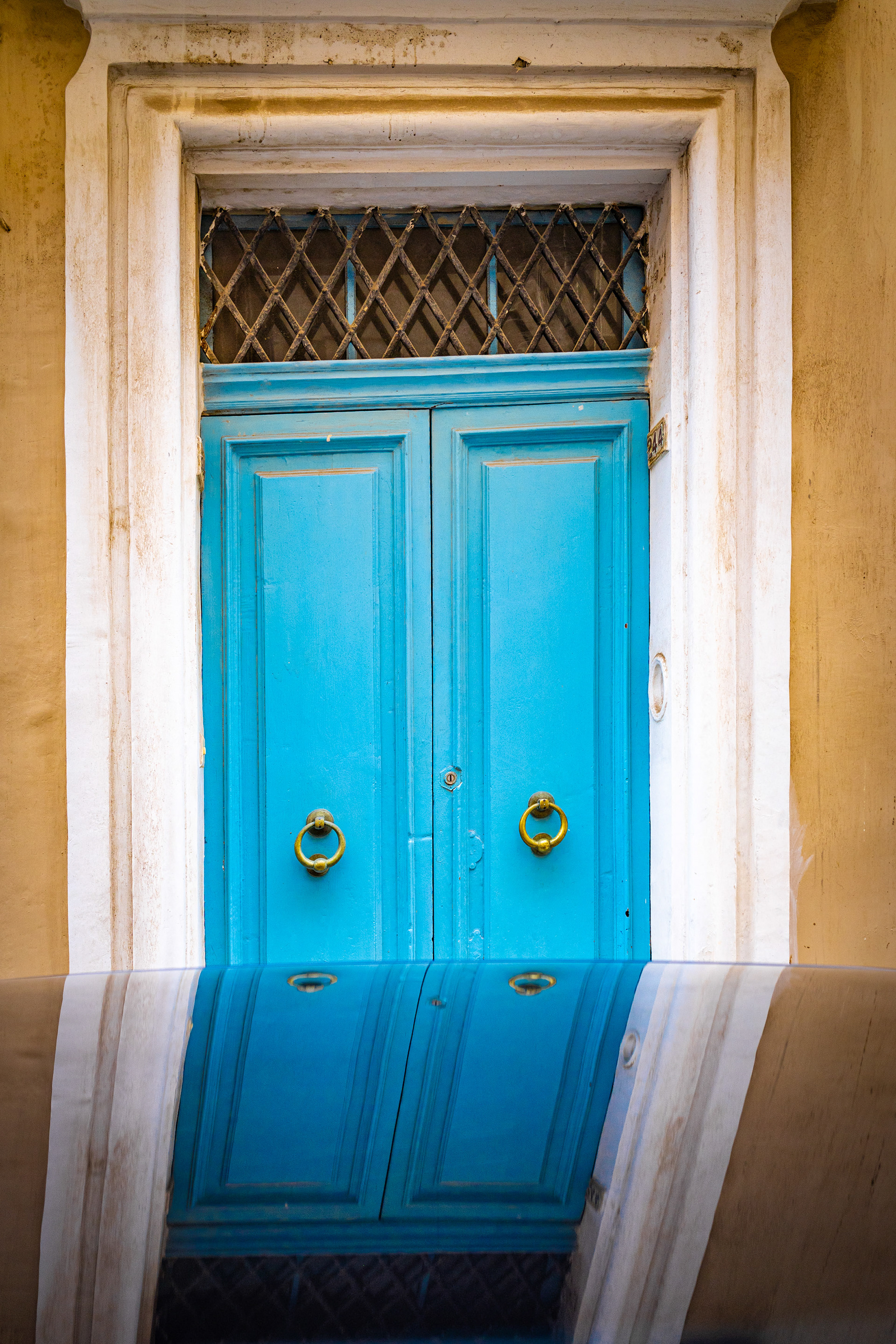
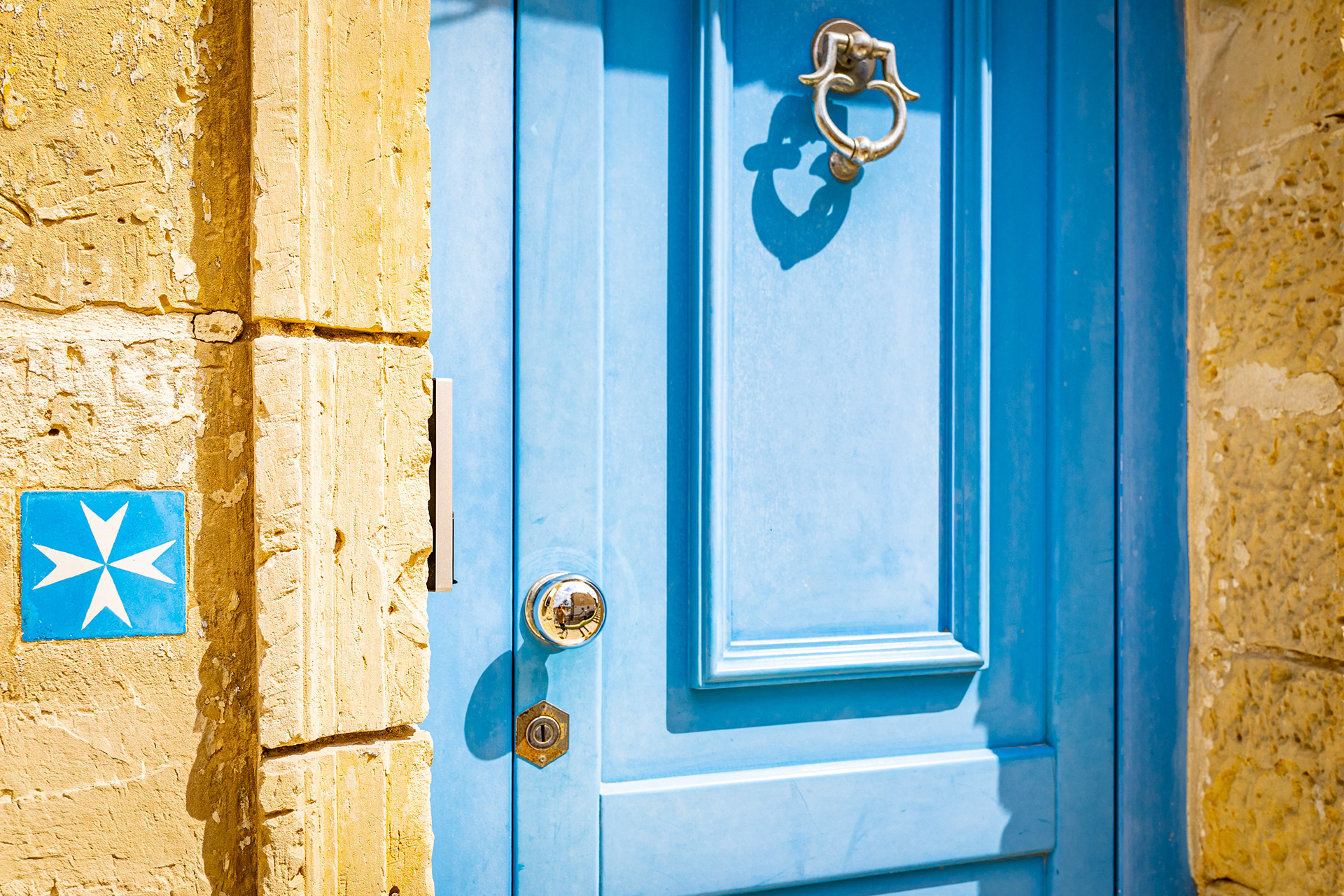
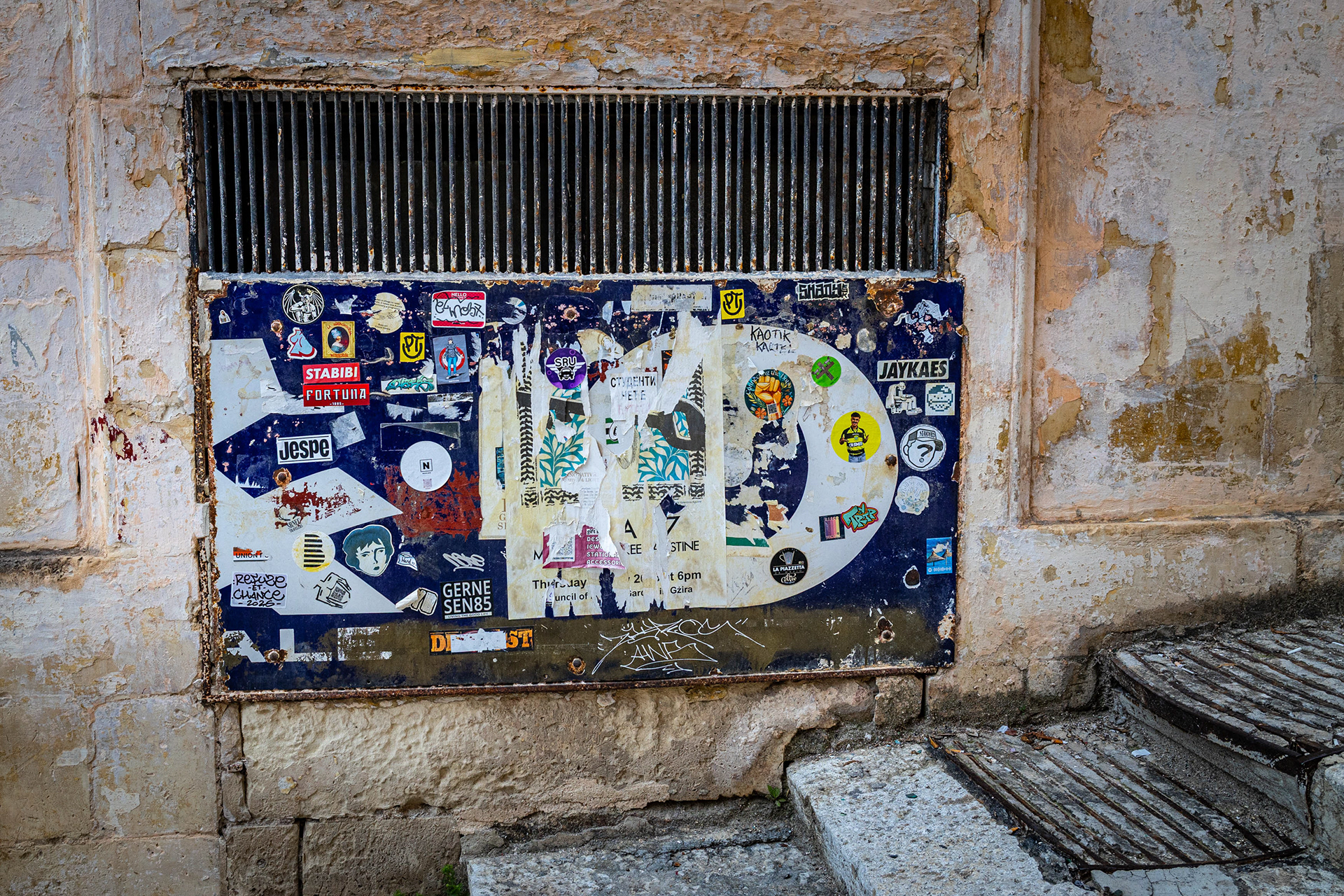
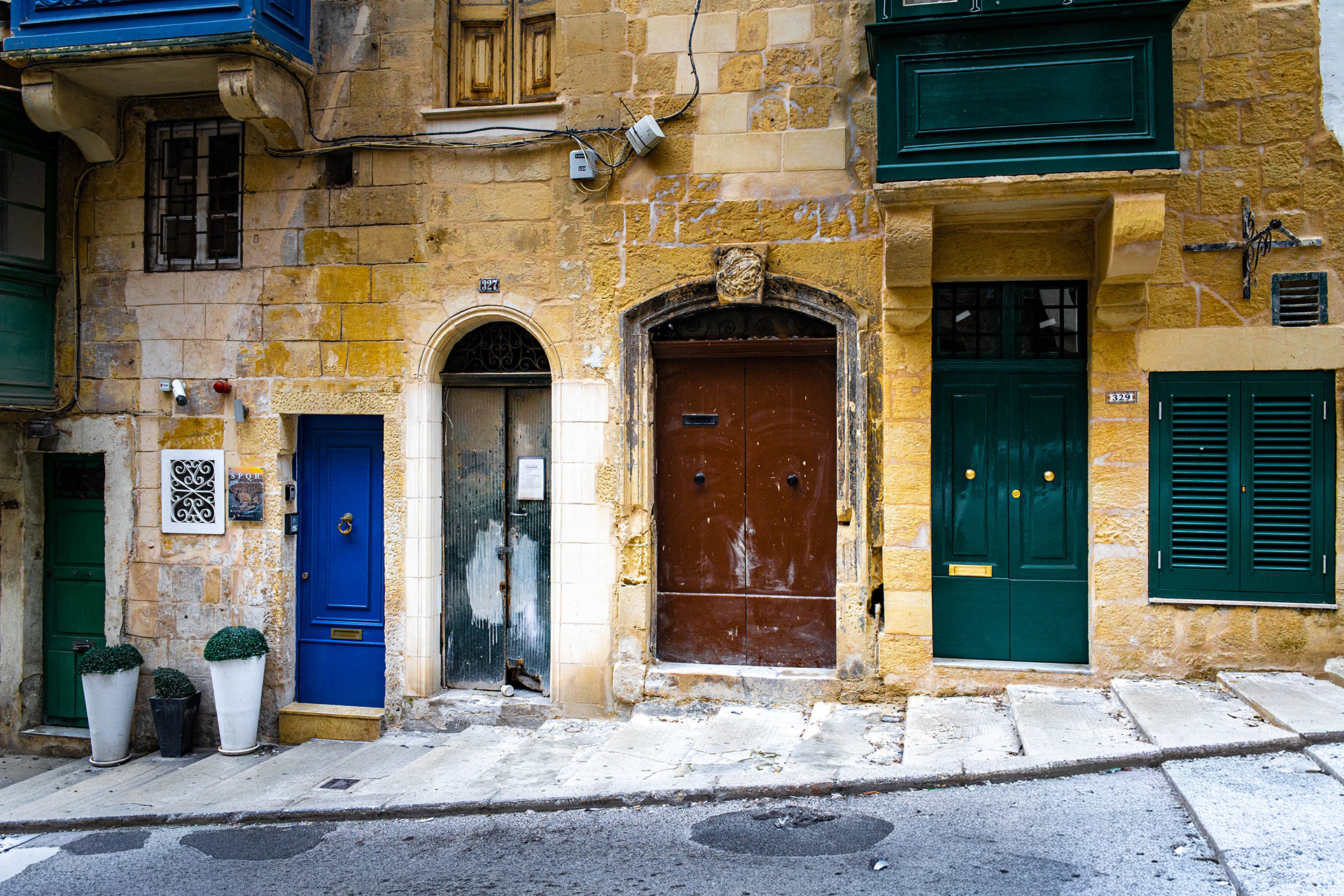
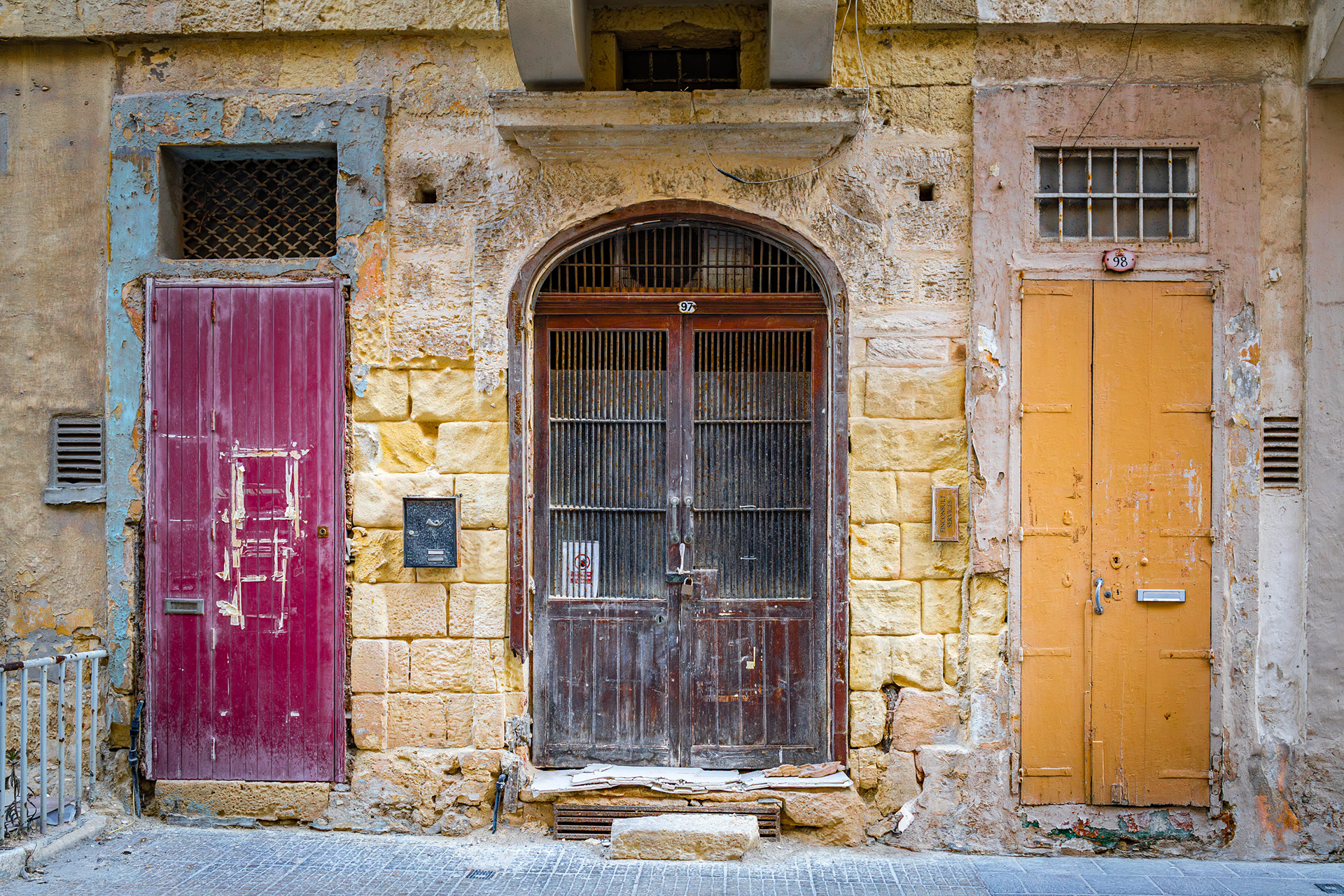
Traditional Maltese door knockers are more than decorative objects. Lions, dolphins, hands and mythological figures often appear in their designs, reflecting the island's diverse cultural influences. For generations, they served as both practical tools and symbols of status, faith or family heritage.
PL:
Tradycyjne maltańskie kołatki są czymś więcej niż ozdobą. W ich formach często pojawiają się lwy, delfiny, dłonie czy postacie mitologiczne, odzwierciedlając różnorodne wpływy kulturowe wyspy. Przez pokolenia pełniły nie tylko funkcję praktyczną, ale także były symbolem statusu, wiary lub rodzinnej tradycji.
Tradycyjne maltańskie kołatki są czymś więcej niż ozdobą. W ich formach często pojawiają się lwy, delfiny, dłonie czy postacie mitologiczne, odzwierciedlając różnorodne wpływy kulturowe wyspy. Przez pokolenia pełniły nie tylko funkcję praktyczną, ale także były symbolem statusu, wiary lub rodzinnej tradycji.
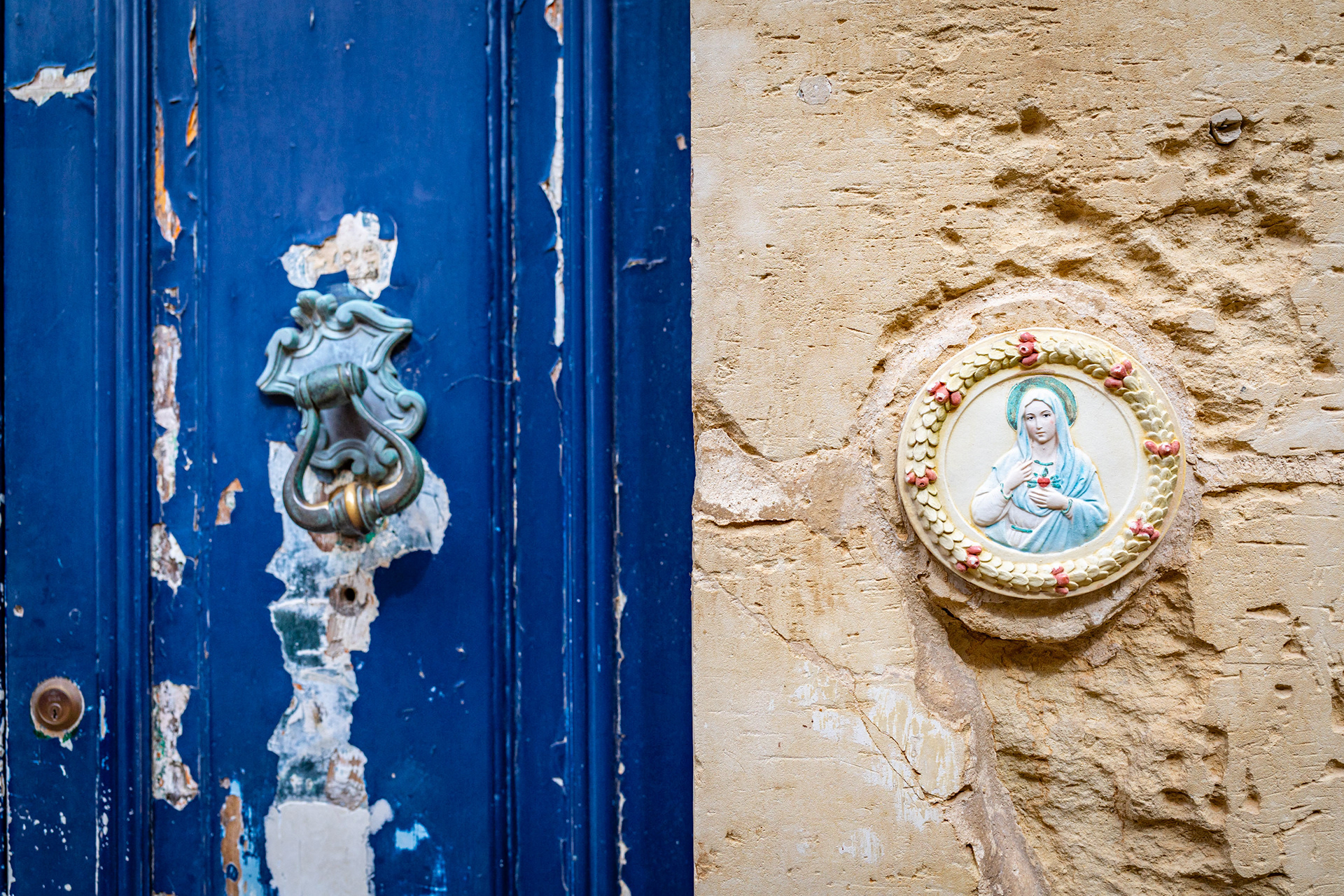
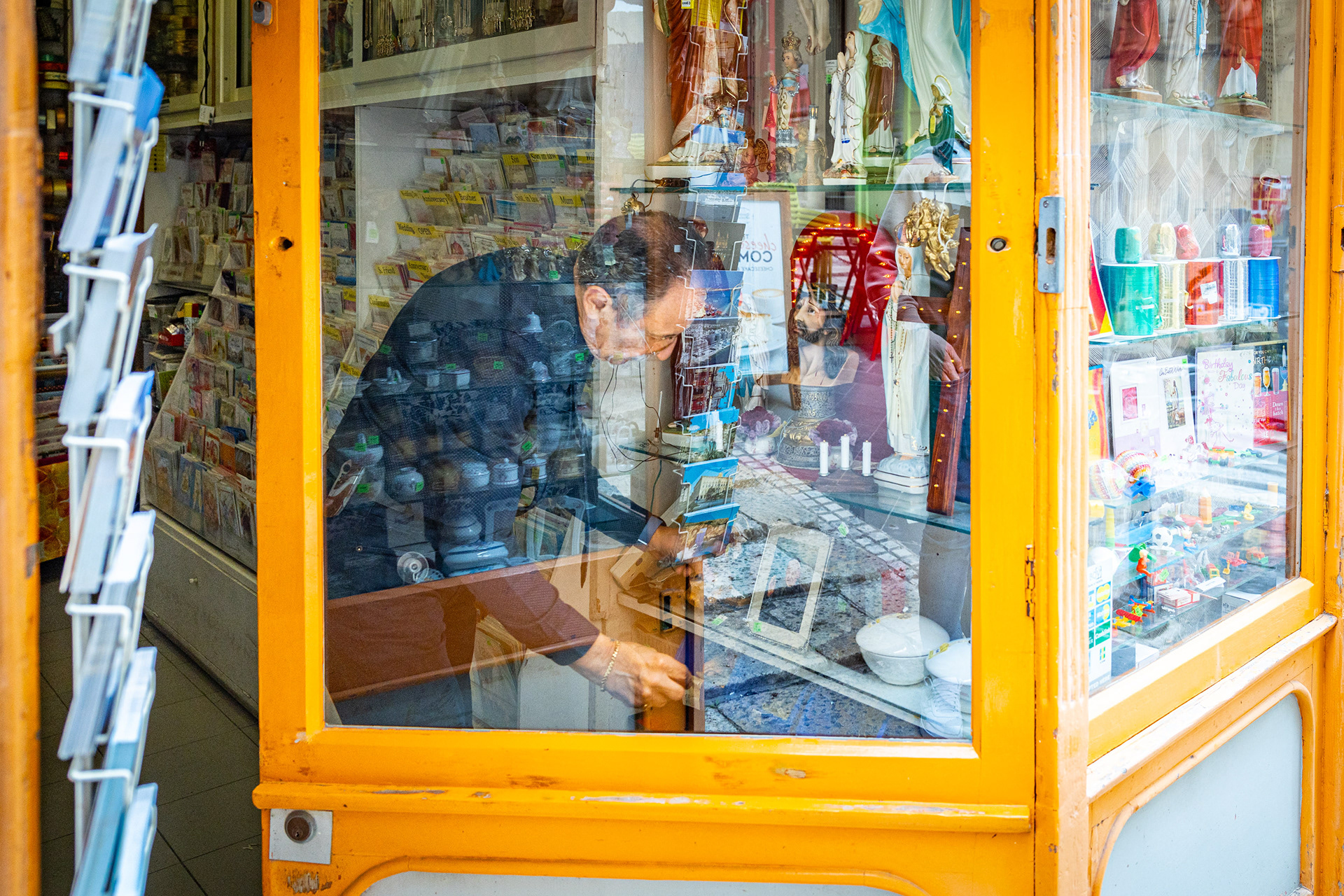
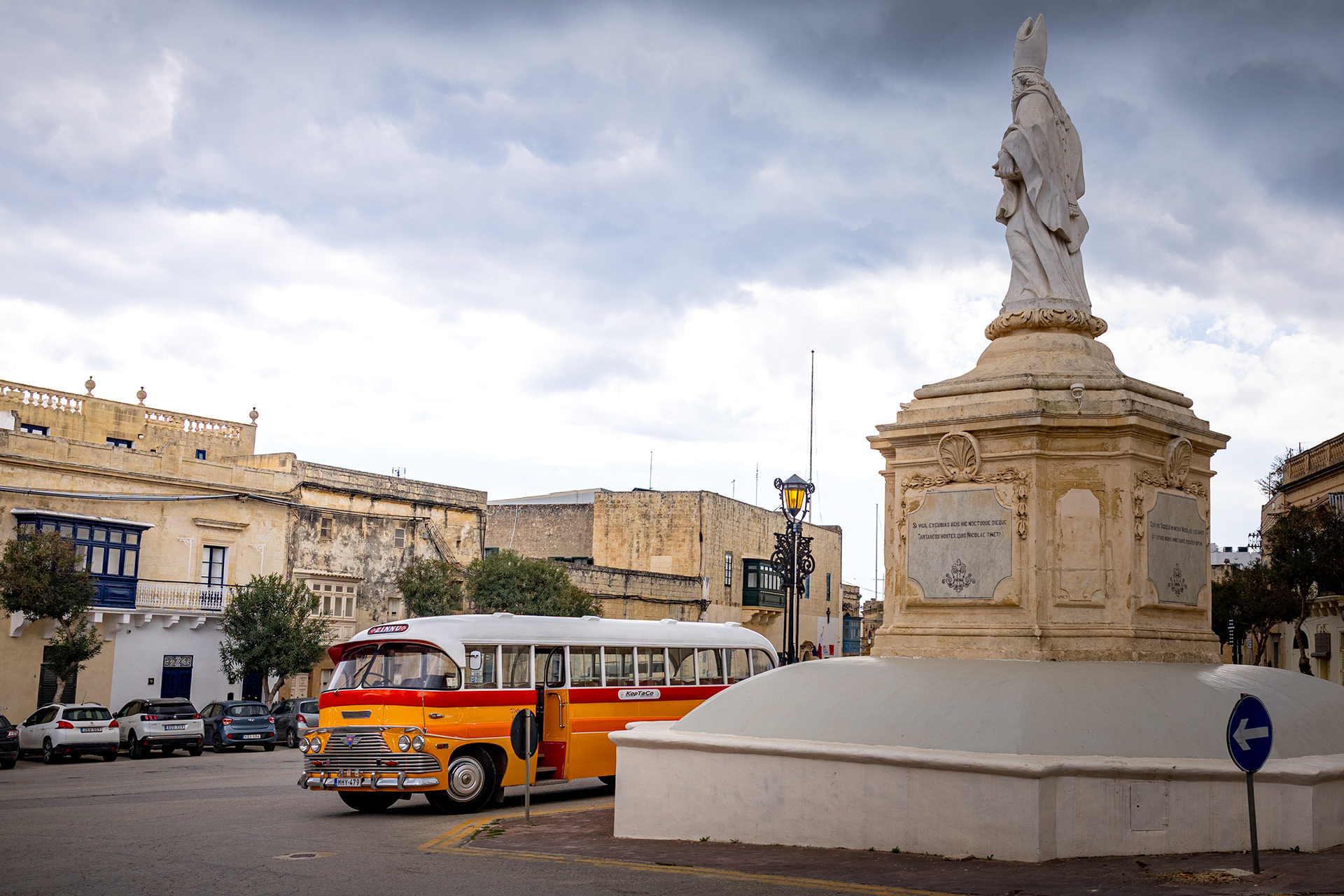
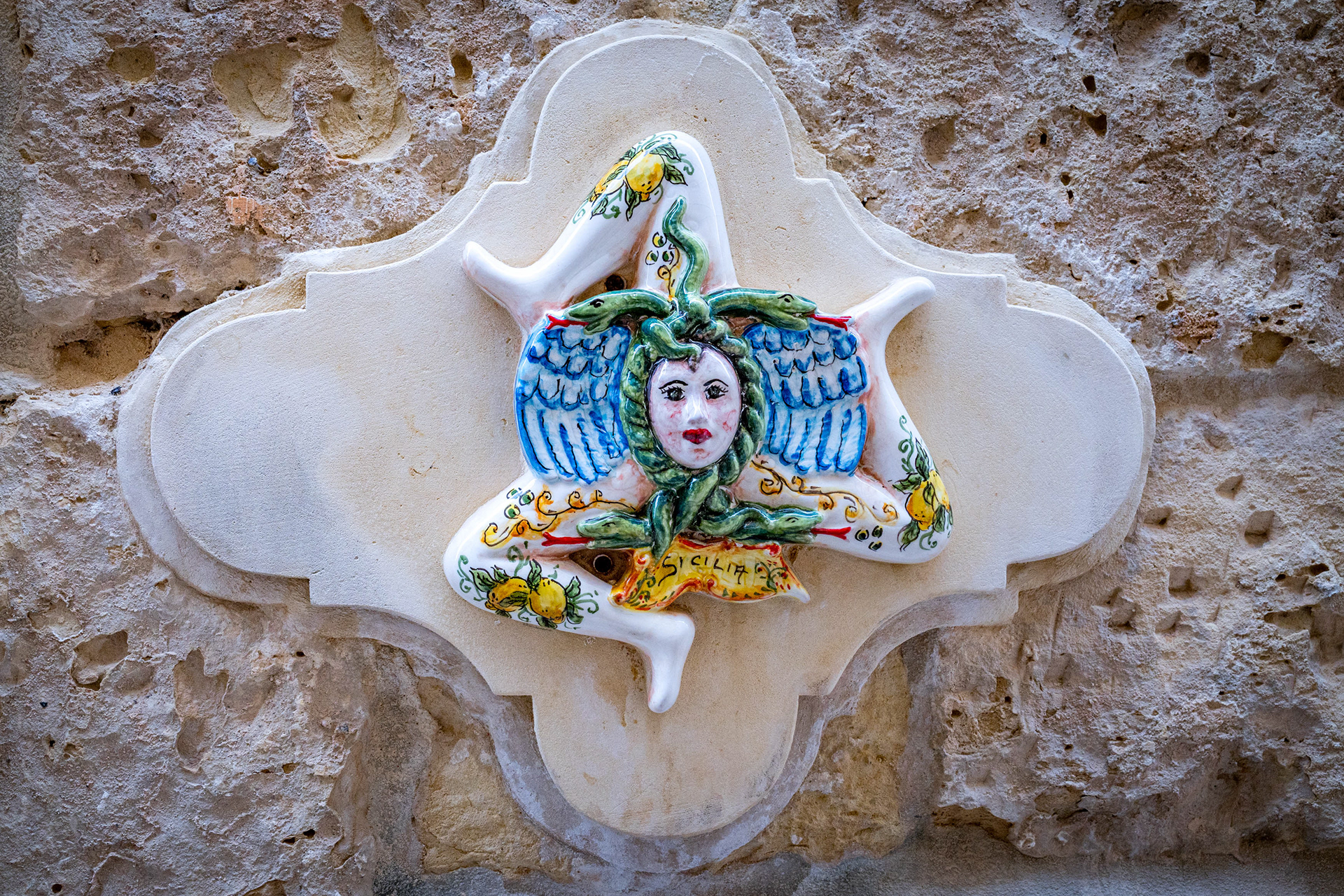
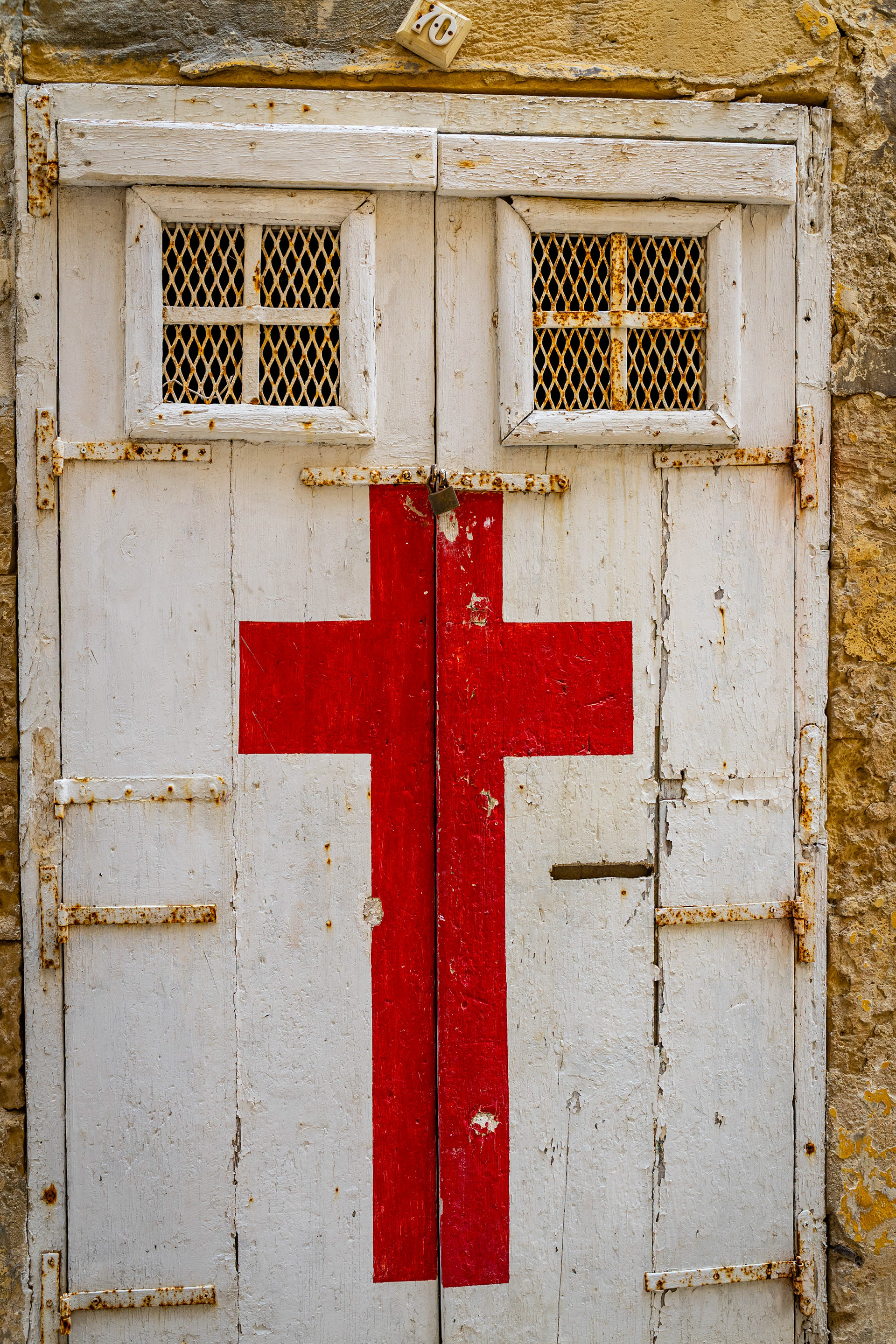
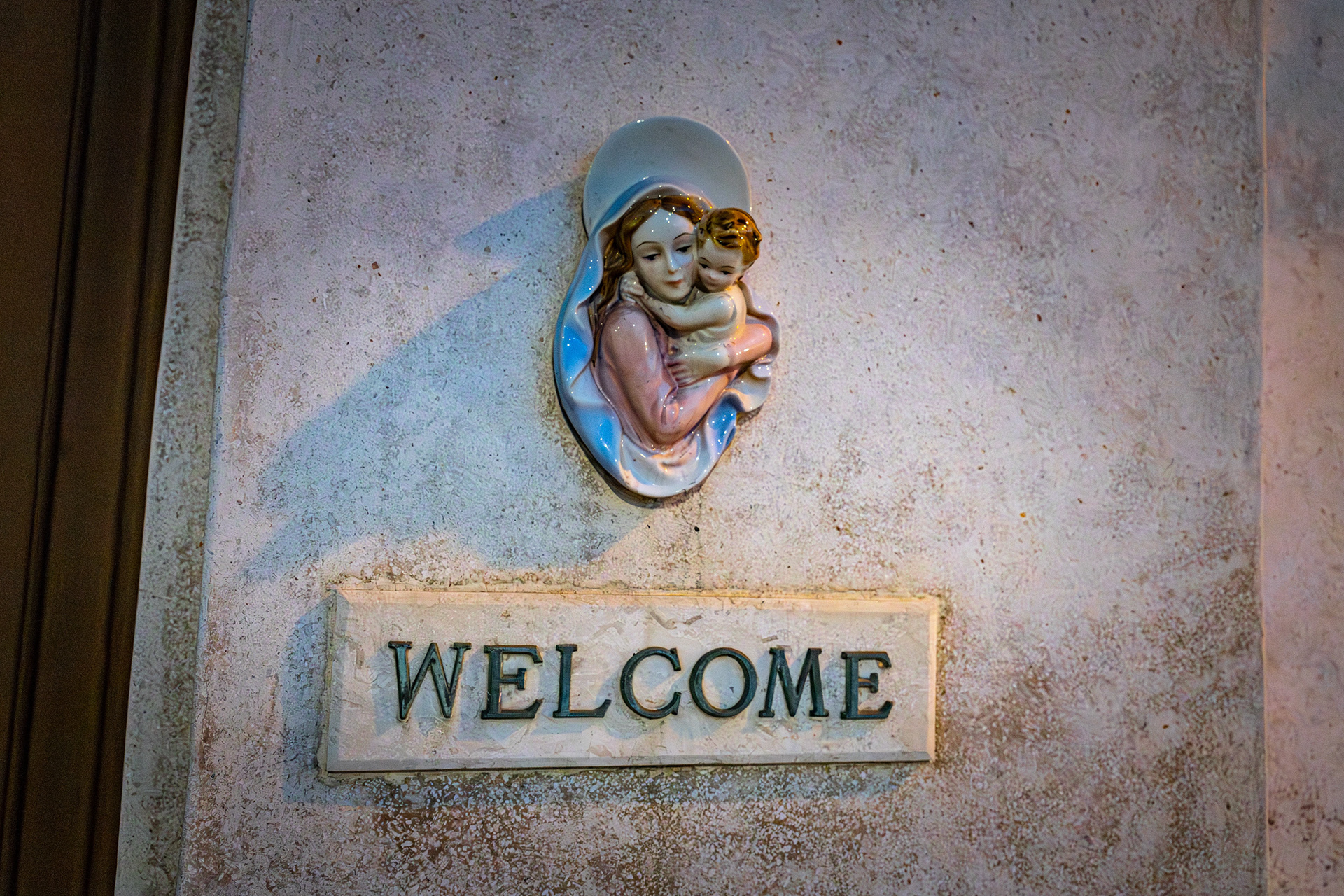
Religion remains deeply woven into Malta's urban landscape. Small shrines, statues of saints and religious images can be found on street corners, above doorways and on building facades. These details reveal how faith continues to be part of everyday life rather than something confined to churches alone.
PL:
Religia jest nadal silnie obecna w miejskim krajobrazie Malty. Niewielkie kapliczki, figury świętych i religijne wizerunki można znaleźć na rogach ulic, nad wejściami do domów oraz na elewacjach budynków. Te detale pokazują, że wiara pozostaje częścią codzienności, a nie tylko przestrzenią zamkniętą w murach kościołów.
Religia jest nadal silnie obecna w miejskim krajobrazie Malty. Niewielkie kapliczki, figury świętych i religijne wizerunki można znaleźć na rogach ulic, nad wejściami do domów oraz na elewacjach budynków. Te detale pokazują, że wiara pozostaje częścią codzienności, a nie tylko przestrzenią zamkniętą w murach kościołów.
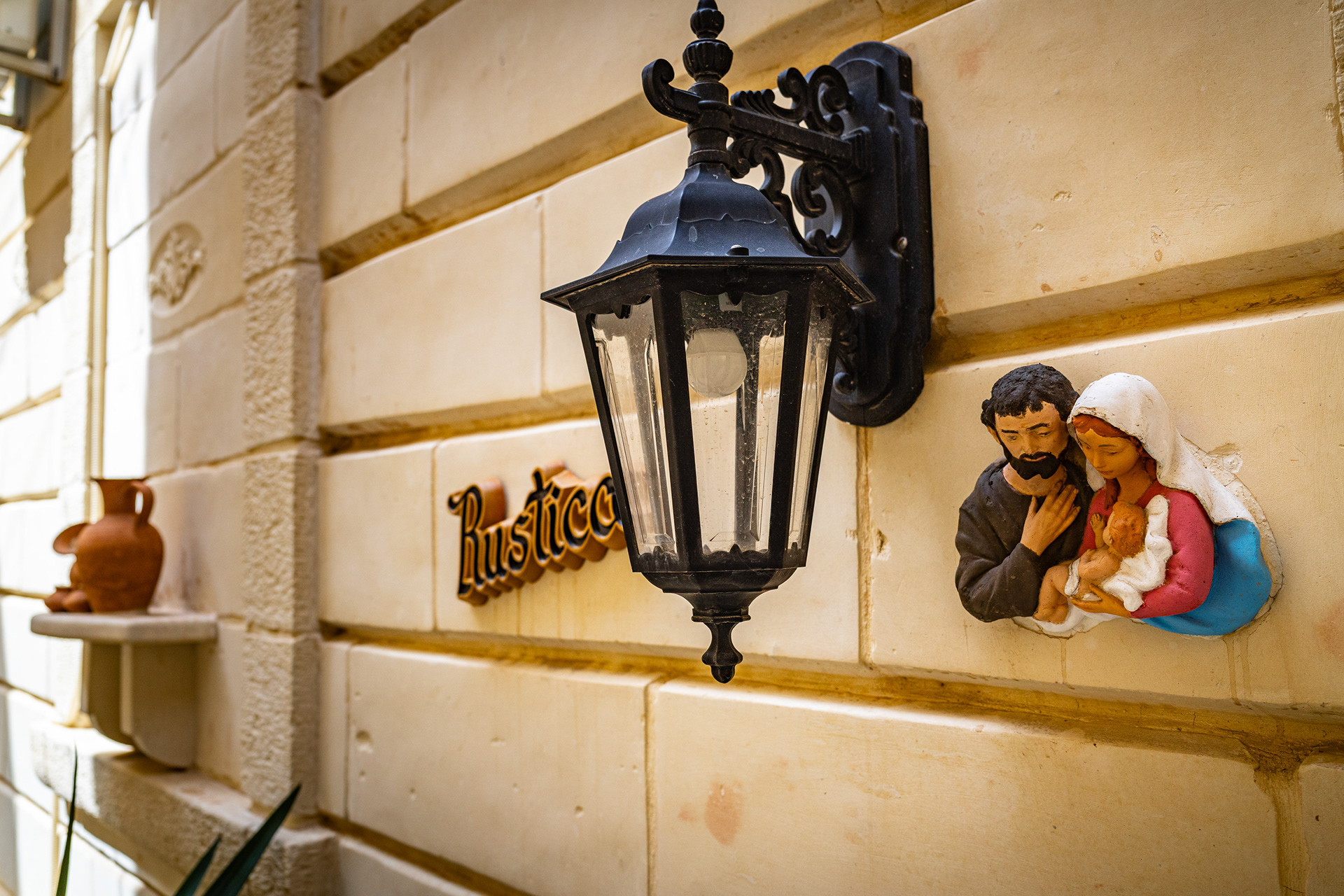
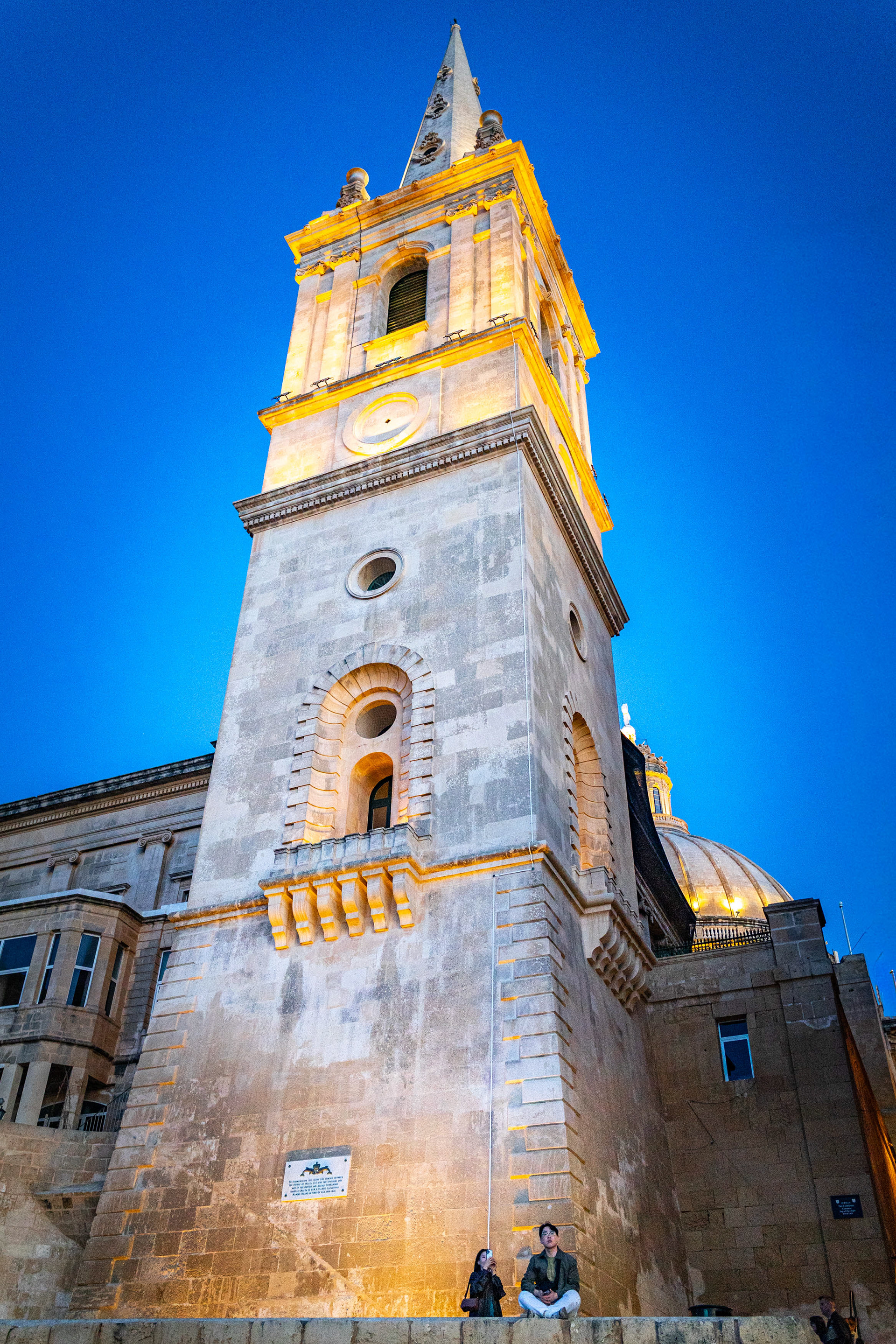
Malta is one of the most Catholic countries in the world. With more than 350 churches spread across its islands, it is often said that wherever you stand, a church tower is visible on the horizon. Religious festivals and local patron saint celebrations continue to shape community life throughout the year.
PL:
Malta należy do najbardziej katolickich krajów świata. Na wyspach znajduje się ponad 350 kościołów, a mieszkańcy żartują, że z każdego miejsca można dostrzec na horyzoncie wieżę świątyni. Religijne święta i lokalne festy ku czci patronów nadal odgrywają ważną rolę w życiu społeczności.
Malta należy do najbardziej katolickich krajów świata. Na wyspach znajduje się ponad 350 kościołów, a mieszkańcy żartują, że z każdego miejsca można dostrzec na horyzoncie wieżę świątyni. Religijne święta i lokalne festy ku czci patronów nadal odgrywają ważną rolę w życiu społeczności.